Typhoons return microplastics to land after humans pollute oceans: Study
The world’s oceans have become a dumping ground for human waste, with millions of tons of plastic waste entering the marine ecosystem every year. This plastic waste, which includes microplastics, has severe consequences for marine life and the environment. However, a recent study published in Environmental Science and Technology has revealed that typhoons are playing a significant role in returning microplastics to land, effectively creating a cycle of pollution that is both disturbing and alarming.
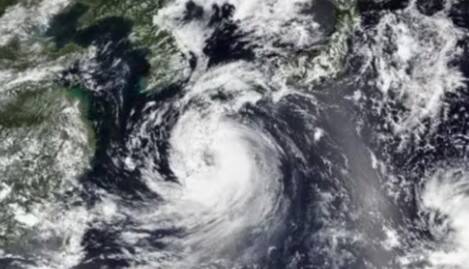
The study, which was conducted in Ningbo, China, documented three typhoons that made landfall in the region. The researchers found that the typhoons were not only bringing heavy rains and strong winds but also microplastics from the ocean. The storms were efficiently vacuuming microplastics from the ocean and spreading them over land, highlighting the complex relationship between the ocean and the atmosphere.
One of the most significant findings of the study was that the typhoons were not mobilizing local litter from Ningbo. Instead, the storms were actively transferring ocean-sourced microplastics into the atmosphere and depositing them on land. This means that the microplastics that were found on land were not from local sources but were instead being brought from the ocean by the typhoons.
The study’s findings have significant implications for our understanding of the plastic pollution cycle. Microplastics, which are small plastic particles that are less than 5 millimeters in size, have become a major concern in recent years. They are found in everything from cosmetics to clothing, and they have been shown to have severe consequences for marine life. When microplastics enter the ocean, they can be ingested by small animals, which can then be eaten by larger animals, potentially leading to the accumulation of toxins in the food chain.
The fact that typhoons are returning microplastics to land highlights the complexity of the plastic pollution problem. It is not just a matter of keeping our oceans clean; it is also about addressing the root causes of pollution, including the production and disposal of plastic waste. The study’s findings suggest that even if we are able to reduce the amount of plastic waste that enters the ocean, the problem of microplastics will still persist.
So, what can be done to address the issue of microplastics and typhoons? First and foremost, it is essential to reduce the amount of plastic waste that enters the ocean. This can be achieved through a combination of measures, including reducing the production of single-use plastics, increasing recycling rates, and improving waste management infrastructure.
Secondly, it is crucial to develop more effective methods for removing microplastics from the ocean. This could include the use of technologies such as ocean cleanup systems, which are designed to remove plastic debris from the ocean. It could also involve the development of more sustainable materials, such as biodegradable plastics, which can reduce the amount of microplastics that enter the environment.
Finally, it is essential to raise awareness about the issue of microplastics and typhoons. The study’s findings highlight the need for a more comprehensive approach to addressing plastic pollution, one that takes into account the complex relationships between the ocean, the atmosphere, and the land. By working together, we can reduce the amount of plastic waste that enters the environment and create a more sustainable future for generations to come.
In conclusion, the study’s findings are a stark reminder of the consequences of human pollution. The fact that typhoons are returning microplastics to land highlights the need for urgent action to address the plastic pollution problem. By reducing the amount of plastic waste that enters the ocean, developing more effective methods for removing microplastics, and raising awareness about the issue, we can create a more sustainable future for our planet.
News Source: https://pubs.acs.org/doi/10.1021/acs.est.5c11101
About the Author