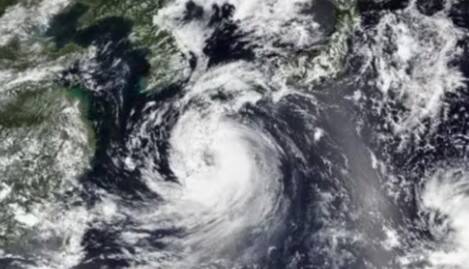
Typhoons return microplastics to land after humans pollute oceans: Study
The world’s oceans have become a massive dumping ground for human waste, including microplastics. These tiny plastic particles, which are less than 5 millimeters in size, have been found to be ubiquitous in the ocean, harming marine life and contaminating the food chain. However, a recent study published in Environmental Science and Technology has revealed that typhoons are playing a significant role in returning these microplastics to land, effectively completing a cycle of pollution that humans started.
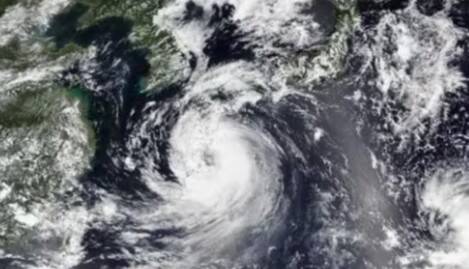
The study, which documented three typhoons in Ningbo, China, found that the storms were not just mobilizing local litter from the city, but were actively transferring ocean-sourced microplastics into the atmosphere and depositing them on land. This process, known as “typhoon-driven microplastic transport,” highlights the complex and far-reaching consequences of human activities on the environment.
To understand the impact of typhoons on microplastic transport, the researchers collected and analyzed samples from the ocean, atmosphere, and land before, during, and after the three typhoons. They found that the concentration of microplastics in the ocean decreased significantly during the typhoons, while the concentration in the atmosphere and on land increased. This suggests that the typhoons were efficiently vacuuming microplastics from the ocean and spreading them over land.
The study’s findings have significant implications for our understanding of the microplastic cycle. Microplastics have been shown to have harmful effects on marine life, from ingestion and entanglement to toxicity and habitat destruction. However, the discovery that typhoons can transport these microplastics back to land raises concerns about the potential impacts on human health and the environment.
One of the most surprising aspects of the study was the fact that the typhoons were not mobilizing local litter from Ningbo. Instead, the microplastics found on land after the typhoons were primarily composed of ocean-sourced microplastics, such as polyethylene and polypropylene, which are commonly used in plastic bags, bottles, and other consumer products. This suggests that the typhoons were acting as a conduit for the transport of microplastics from the ocean to land, rather than simply stirring up local pollution.
The study’s authors note that the typhoon-driven microplastic transport process is likely to be a global phenomenon, with significant implications for coastal communities and ecosystems. As the world’s oceans continue to be polluted with microplastics, the potential for typhoons and other storms to transport these pollutants back to land is likely to increase.
So, what can be done to mitigate the impacts of microplastic pollution and typhoon-driven transport? The study’s authors suggest that reducing plastic waste and improving waste management practices are critical steps in preventing microplastics from entering the ocean in the first place. Additionally, they recommend that policymakers and stakeholders take into account the potential for typhoons and other storms to transport microplastics when developing strategies for managing plastic waste and mitigating the impacts of pollution.
In conclusion, the study highlights the complex and interconnected nature of human activities, the environment, and the climate. The fact that typhoons can return microplastics to land after humans pollute the oceans is a stark reminder of the far-reaching consequences of our actions. As we continue to grapple with the challenges of plastic pollution and climate change, it is essential that we take a comprehensive and integrated approach to addressing these issues, one that takes into account the complex interactions between human activities, the environment, and the climate.
Source:
https://pubs.acs.org/doi/10.1021/acs.est.5c11101
About the Author