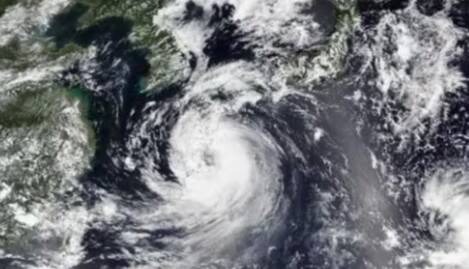
Typhoons return microplastics to land after humans pollute oceans: Study
The world’s oceans have been facing a significant threat from microplastics, which are small plastic particles that are less than 5 millimeters in size. These tiny particles have been found to be harmful to marine life, and their impact on the environment is still being studied. However, a recent study published in Environmental Science and Technology has revealed a surprising way in which microplastics are being transferred from the oceans back to land. According to the study, typhoons are playing a significant role in returning microplastics to land after humans have polluted the oceans.
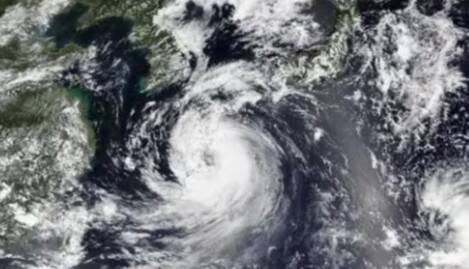
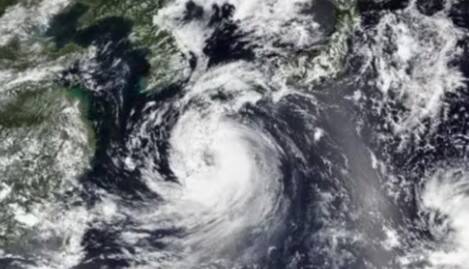
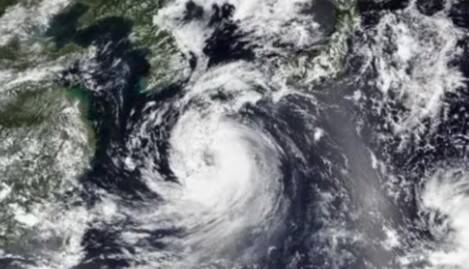
The study, which was conducted in Ningbo, China, documented three typhoons that occurred in the region. The researchers found that the typhoons were not just mobilizing local litter from Ningbo, but were instead actively transferring ocean-sourced microplastics into the atmosphere and depositing them on land. This process is known as “atmospheric deposition,” and it is a significant way in which microplastics are being transported from the oceans to land.
The study found that the typhoons were able to efficiently vacuum microplastics from the ocean and spread them over land. The researchers collected samples of microplastics from the ocean and from the land before and after the typhoons, and they found that the concentration of microplastics in the air and on land increased significantly after the typhoons. This suggests that the typhoons were playing a significant role in transporting microplastics from the oceans to land.
The study’s findings have significant implications for our understanding of the way in which microplastics are transported through the environment. It suggests that typhoons and other storms may be playing a significant role in spreading microplastics from the oceans to land, and that this process may be contributing to the high levels of microplastics that have been found in terrestrial environments.
The study’s authors note that the findings have significant implications for the management of microplastic pollution. They suggest that efforts to reduce microplastic pollution in the oceans may need to take into account the role of typhoons and other storms in transporting microplastics to land. This may involve implementing measures to reduce the amount of microplastics that are released into the oceans, such as improving waste management practices and reducing the use of plastic products.
The study’s findings also highlight the need for further research into the impact of microplastics on the environment. While the study provides significant insights into the way in which microplastics are transported through the environment, it also raises a number of questions about the potential impacts of microplastics on human health and the environment. Further research is needed to fully understand the implications of microplastic pollution and to develop effective strategies for reducing it.
In conclusion, the study published in Environmental Science and Technology provides significant insights into the way in which microplastics are being transported from the oceans to land. The finding that typhoons are playing a significant role in this process highlights the need for further research into the impact of microplastics on the environment and the need for effective strategies to reduce microplastic pollution. As the world continues to grapple with the challenges of microplastic pollution, studies like this one provide important insights into the complex processes that are involved and highlight the need for continued research and action to address this significant environmental problem.
The issue of microplastic pollution is a complex one, and it will require a multifaceted approach to solve. However, by continuing to study the way in which microplastics are transported through the environment and by developing effective strategies for reducing microplastic pollution, we can work towards a future where the oceans and land are free from the harmful effects of microplastics.
It is also important to note that the study’s findings have significant implications for the way in which we think about microplastic pollution. For example, the finding that typhoons are playing a significant role in transporting microplastics from the oceans to land suggests that microplastic pollution is not just a problem for the oceans, but also for terrestrial environments. This highlights the need for a more integrated approach to addressing microplastic pollution, one that takes into account the complex interactions between the oceans and land.
Overall, the study published in Environmental Science and Technology provides significant insights into the way in which microplastics are being transported from the oceans to land. The finding that typhoons are playing a significant role in this process highlights the need for further research into the impact of microplastics on the environment and the need for effective strategies to reduce microplastic pollution.
News Source: https://pubs.acs.org/doi/10.1021/acs.est.5c11101
About the Author