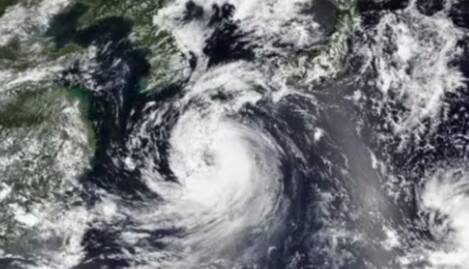
Typhoons return microplastics to land after humans pollute oceans: Study
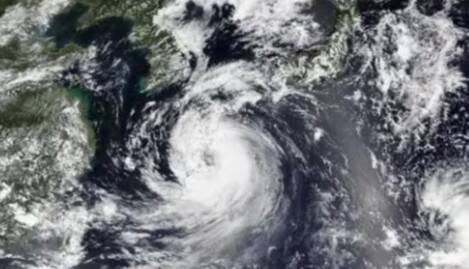
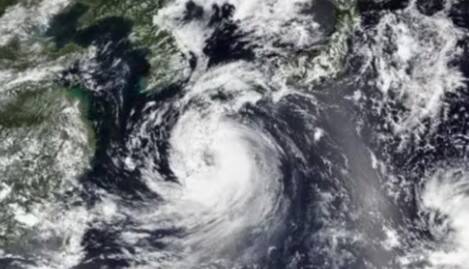
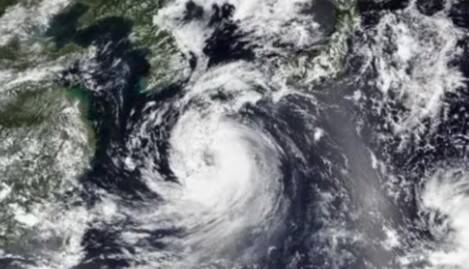
The world’s oceans have become a vast dumping ground for human waste, with millions of tons of plastic debris entering the marine ecosystem every year. However, a recent study published in Environmental Science and Technology has revealed that the story of ocean pollution doesn’t end there. Researchers have found that typhoons, powerful tropical cyclones that form over the warm waters of the Pacific, are actually capable of vacuuming up microplastics from the ocean and depositing them back onto land.
The study, which was conducted in Ningbo, China, documented the effects of three typhoons on the local environment. What the researchers found was astonishing: the storms were not simply mobilizing local litter from Ningbo, but were instead actively transferring ocean-sourced microplastics into the atmosphere and depositing them on land. This means that the microplastics that humans have been polluting the oceans with are now being returned to land, where they can potentially enter the food chain and cause harm to humans and wildlife.
Microplastics, which are defined as plastic particles smaller than 5 millimeters, have become a major concern in recent years. They are formed when larger plastic items, such as bags, bottles, and microbeads, break down into smaller pieces. These tiny particles can be ingested by animals, from small fish to large mammals, and have been shown to cause physical harm, toxicity, and even death. Microplastics have also been found in the human food chain, with studies showing that people who eat seafood are likely to be consuming microplastics as well.
The study in Ningbo, China, used a combination of field observations and laboratory analysis to track the movement of microplastics during the three typhoons. The researchers found that the storms were able to pick up microplastics from the ocean surface and transport them long distances, often depositing them in areas far from the coast. This means that even inland communities, which may not have direct access to the ocean, can still be affected by ocean pollution.
One of the most significant findings of the study was that the microplastics deposited on land by the typhoons were not coming from local sources, but were instead being transported from the ocean. This was determined by analyzing the types of microplastics found on land and comparing them to those found in the ocean. The researchers found that the microplastics on land were similar in composition to those found in the ocean, with a high proportion of polyethylene and polypropylene, which are common types of plastic used in packaging and other applications.
The study’s findings have significant implications for our understanding of the global plastic pollution problem. They suggest that the ocean is not just a sink for plastic waste, but is also a source of pollution that can affect inland communities. This means that efforts to reduce plastic pollution must be focused not just on reducing waste, but also on cleaning up the existing pollution in the ocean.
The study’s authors also note that the movement of microplastics from the ocean to land by typhoons is a complex process that involves multiple factors, including wind speed, precipitation, and the type of microplastics present. Further research is needed to fully understand the mechanisms by which microplastics are transported by typhoons and to determine the extent to which this process contributes to the global plastic pollution problem.
In conclusion, the study published in Environmental Science and Technology provides new insights into the complex and interconnected nature of plastic pollution. It shows that the ocean is not just a victim of human pollution, but is also a source of pollution that can affect inland communities. The study’s findings highlight the need for a comprehensive approach to addressing plastic pollution, one that takes into account the movement of microplastics through the environment and the complex interactions between the ocean, atmosphere, and land.
News Source: https://pubs.acs.org/doi/10.1021/acs.est.5c11101
About the Author