Typhoons return microplastics to land after humans pollute oceans: Study
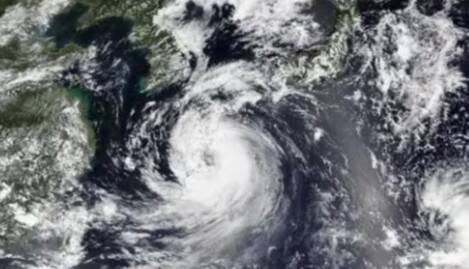
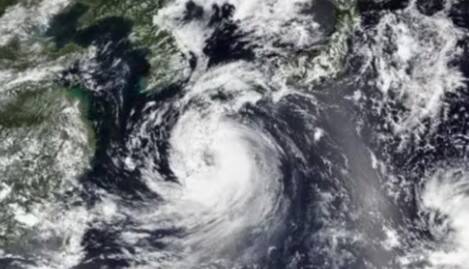
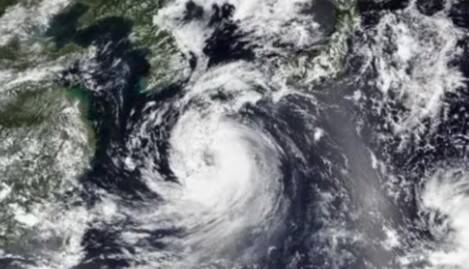
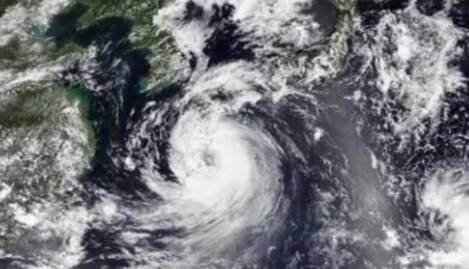
The world’s oceans have become a dumping ground for human waste, with millions of tons of plastic waste entering the marine ecosystem every year. This plastic waste, which includes microplastics, has severe consequences for marine life and the environment. However, a recent study has revealed that the impact of microplastics is not limited to the ocean, as typhoons can efficiently vacuum microplastics from the ocean and spread them over land.
The study, published in Environmental Science and Technology, documented three typhoons in Ningbo, China, and found that the storms were not mobilizing local litter from Ningbo. Instead, the typhoons were actively transferring ocean-sourced microplastics into the atmosphere and depositing them on land. This means that the microplastics that humans have polluted the oceans with are now being returned to land, posing a significant threat to terrestrial ecosystems and human health.
The study’s findings are alarming, as they suggest that typhoons can act as a conduit for the transfer of microplastics from the ocean to land. The researchers found that the microplastics deposited on land were primarily composed of polyethylene and polypropylene, which are commonly used in plastic packaging and other consumer products. The study also found that the microplastics were present in high concentrations in the air and on surfaces, highlighting the potential for human exposure to these pollutants.
The impact of microplastics on human health is still not fully understood, but research has shown that they can be ingested by humans through contaminated food and water. Microplastics have also been found in human blood and tissue, raising concerns about the potential for toxic effects. The study’s findings suggest that typhoons can increase the risk of human exposure to microplastics, as they can deposit these pollutants on land and in the air.
The study’s authors note that the transfer of microplastics from the ocean to land via typhoons is a complex process, involving the interaction of multiple factors, including wind, waves, and precipitation. However, they emphasize that the findings highlight the need for urgent action to reduce plastic pollution in the oceans. The study’s lead author stated, “Our research shows that typhoons can act as a pathway for the transfer of microplastics from the ocean to land, highlighting the need for a comprehensive approach to addressing plastic pollution.”
The study’s findings have significant implications for policymakers and stakeholders working to address plastic pollution. The researchers recommend that efforts to reduce plastic pollution should focus on preventing plastic waste from entering the ocean in the first place, rather than relying on cleanup efforts. This can be achieved through a combination of measures, including reducing plastic use, improving waste management, and increasing recycling rates.
The study also highlights the need for further research on the impact of microplastics on human health and the environment. The researchers note that there is still much to be learned about the effects of microplastics on terrestrial ecosystems and human health, and that further study is needed to fully understand the risks posed by these pollutants.
In conclusion, the study’s findings are a stark reminder of the consequences of human actions on the environment. The fact that typhoons can return microplastics to land after humans pollute the oceans is a clear indication that plastic pollution is a global problem that requires a comprehensive solution. As the world continues to grapple with the challenges of plastic pollution, it is essential that we take urgent action to reduce plastic waste and prevent it from entering the ocean.
The study’s findings are a call to action, highlighting the need for individuals, communities, and governments to work together to address plastic pollution. By reducing plastic use, improving waste management, and increasing recycling rates, we can help to prevent plastic waste from entering the ocean and reduce the risk of microplastics being deposited on land.
Source: https://pubs.acs.org/doi/10.1021/acs.est.5c11101
About the Author