Typhoons return microplastics to land after humans pollute oceans: Study
The world’s oceans have become a massive dumping ground for human waste, including microplastics that have become a major concern for environmentalists and scientists. Microplastics, which are small plastic particles less than 5 millimeters in size, have been found to be pervasive in the world’s oceans, harming marine life and contaminating the food chain. However, a new study published in Environmental Science and Technology has found that typhoons, also known as hurricanes or cyclones, are playing a significant role in returning these microplastics to land, highlighting the complex and interconnected nature of the planet’s ecosystems.
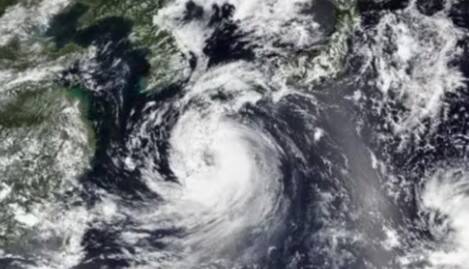
The study, which documented three typhoons in Ningbo, China, found that the storms were not mobilizing local litter from Ningbo, but were instead actively transferring ocean-sourced microplastics into the atmosphere and depositing them on land. This process, known as “atmospheric deposition,” is a key mechanism by which microplastics are being returned to land, highlighting the need for a more comprehensive approach to addressing plastic pollution.
The researchers behind the study used a combination of field observations and laboratory analysis to track the movement of microplastics during the three typhoons. They found that the storms were able to efficiently vacuum microplastics from the ocean and spread them over land, with the majority of the microplastics being deposited in areas far from the coast. This suggests that typhoons are playing a significant role in the long-range transport of microplastics, and that the impacts of oceanic microplastic pollution are not limited to coastal areas.
The study’s findings have significant implications for our understanding of the microplastic pollution problem. While it is well known that microplastics are pervasive in the world’s oceans, the fact that typhoons are able to transfer these microplastics to land highlights the complexity of the issue. It suggests that efforts to address microplastic pollution must take into account the interconnectedness of the planet’s ecosystems, and that a comprehensive approach is needed to address the problem.
One of the key implications of the study is that microplastic pollution is not just a problem for coastal areas, but can also have impacts on inland ecosystems. The fact that typhoons are able to deposit microplastics far from the coast suggests that microplastic pollution can affect a wide range of ecosystems, from marine habitats to terrestrial environments. This highlights the need for a more comprehensive approach to addressing microplastic pollution, one that takes into account the potential impacts on all ecosystems, not just those in coastal areas.
Another significant implication of the study is that typhoons may be playing a role in the global transport of microplastics. The fact that the storms are able to vacuum microplastics from the ocean and deposit them on land suggests that they may be contributing to the long-range transport of microplastics, potentially facilitating the movement of microplastics between different regions and ecosystems. This highlights the need for further research into the role of typhoons and other storms in the global transport of microplastics, and for the development of strategies to mitigate the impacts of microplastic pollution.
The study’s findings also have significant implications for human health. Microplastics have been shown to be harmful to human health, with exposure to microplastics linked to a range of health problems, including cancer, reproductive issues, and respiratory problems. The fact that typhoons are able to deposit microplastics on land highlights the potential for human exposure to microplastics, particularly in areas where typhoons are common. This suggests that efforts to address microplastic pollution must also take into account the potential impacts on human health, and that strategies are needed to mitigate the risks associated with microplastic exposure.
In conclusion, the study published in Environmental Science and Technology highlights the complex and interconnected nature of the planet’s ecosystems, and the significant role that typhoons are playing in the transport of microplastics. The fact that typhoons are able to efficiently vacuum microplastics from the ocean and deposit them on land highlights the need for a comprehensive approach to addressing microplastic pollution, one that takes into account the potential impacts on all ecosystems, not just those in coastal areas. As we move forward in addressing the microplastic pollution problem, it is essential that we consider the role of typhoons and other storms in the global transport of microplastics, and that we develop strategies to mitigate the impacts of microplastic pollution on both the environment and human health.
News Source: https://pubs.acs.org/doi/10.1021/acs.est.5c11101
About the Author