Tiny ancient animal had sharpest teeth ever, study finds
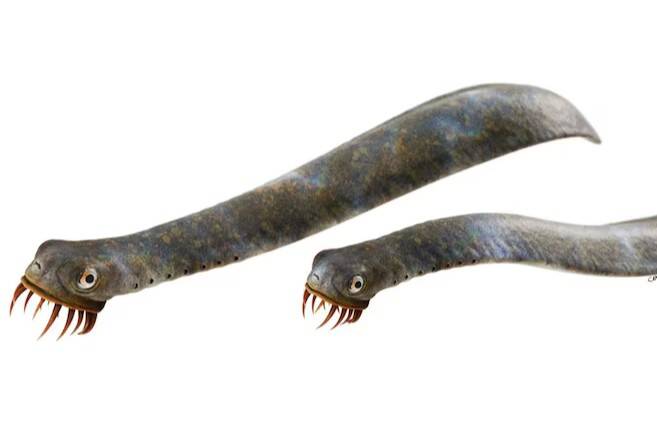
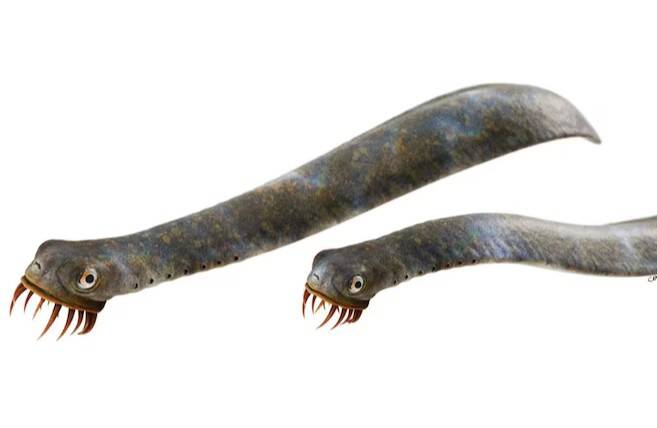
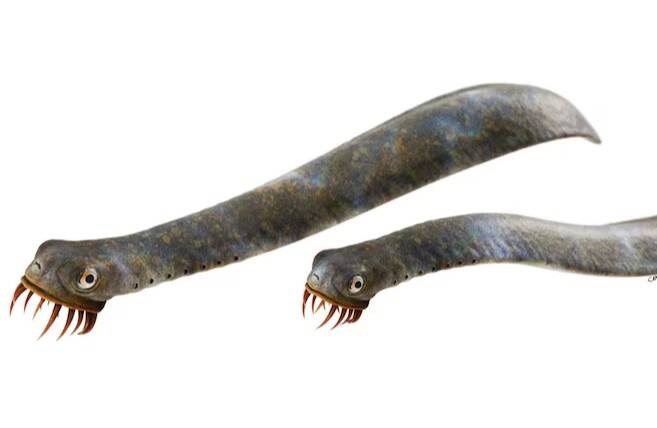
When we think of animals with sharp teeth, we often imagine fierce predators like sharks or dinosaurs. However, new research has revealed that the sharpest teeth ever belonged to a tiny, jawless marine animal called conodonts. These ancient creatures, which lived over 500 million years ago, had microscopic tooth elements that were sharper than modern animal teeth and even steel blades.
Conodonts were small, eel-like animals that were abundant in the oceans during the Paleozoic Era. They were filter feeders, using their tooth-like elements to capture small prey and plankton from the water. Despite their small size, conodonts had a significant impact on the evolution of life on Earth. They were one of the first animals to develop complex teeth, and their unique dental structure has fascinated scientists for decades.
The new study, which analyzed fossilized conodont teeth, found that their microscopic tooth elements were incredibly sharp. Using advanced imaging techniques, researchers were able to examine the teeth in detail and measure their sharpness. The results showed that conodont teeth were sharper than any other animal teeth, including those of sharks and dinosaurs.
But what makes conodont teeth so special? The answer lies in their unique structure. Conodont teeth were made up of tiny, triangular elements that were arranged in a complex pattern. Each element was made of a hard, mineralized material that was resistant to wear and tear. The elements were also extremely thin, with some measuring only a few micrometers in width.
The combination of hardness and thinness made conodont teeth incredibly sharp. In fact, they were sharper than even the sharpest steel blades. Researchers found that the teeth had a sharpness of up to 20 gigapascals (GPa), which is significantly higher than the sharpness of modern animal teeth. For comparison, the sharpness of a typical kitchen knife is around 1-2 GPa.
So, how did conodonts manage to develop such sharp teeth? The answer lies in their evolution. Conodonts lived in a time when the oceans were very different from those of today. The water was colder, and the pressure was much higher. To survive in this environment, conodonts needed to develop specialized teeth that could capture small prey and plankton from the water.
Over time, conodonts evolved to develop more complex and sharper teeth. Their teeth became more specialized, with different elements performing different functions. Some elements were used for capturing prey, while others were used for grinding and crushing food. The unique structure of conodont teeth allowed them to perform a wide range of functions, from filtering small particles from the water to capturing and killing larger prey.
The discovery of conodont teeth has significant implications for our understanding of evolution and the development of complex life forms. It shows that even small, ancient animals can develop highly specialized and complex structures that are capable of performing a wide range of functions.
The study also highlights the importance of fossil analysis in understanding the evolution of life on Earth. By examining fossilized remains, scientists can gain insights into the lives and behaviors of ancient animals. In the case of conodonts, fossil analysis has revealed a fascinating story of evolution and adaptation that has shed new light on the history of life on our planet.
In conclusion, the discovery of conodont teeth is a significant finding that has shed new light on the evolution of complex life forms. These tiny, ancient animals developed the sharpest teeth ever, with a sharpness that exceeds even the sharpest steel blades. Their unique dental structure, which was capable of performing a wide range of functions, is a testament to the incredible diversity and complexity of life on Earth.
The next time you imagine animals with sharp teeth, remember the tiny conodonts, which lived over 500 million years ago and developed the sharpest teeth ever. Their story is a fascinating one, and it highlights the importance of continued research and exploration into the natural world.
About the Author