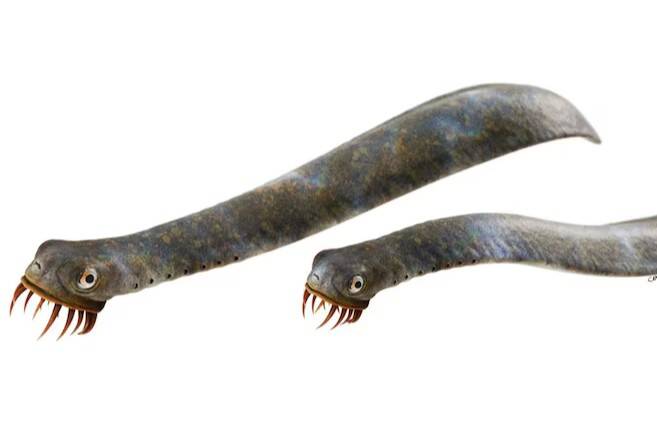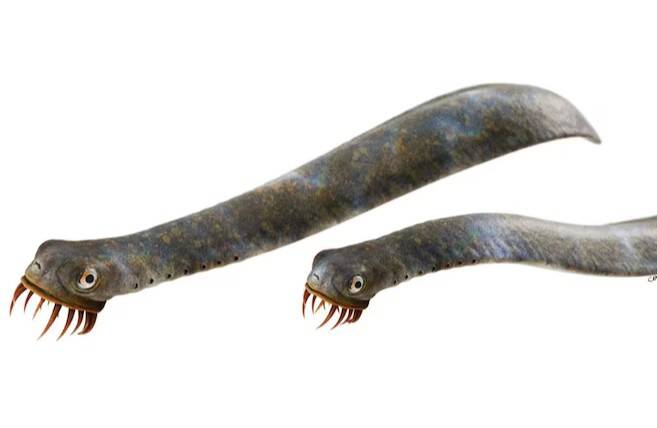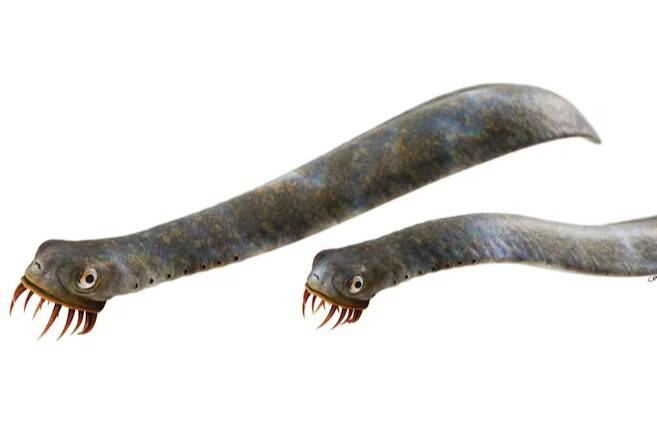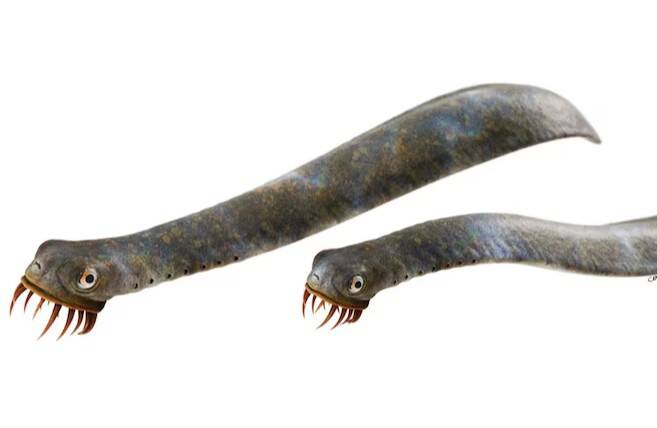
Tiny ancient animal had sharpest teeth ever, study finds
When we think of sharp teeth, we often imagine fierce predators like sharks or dinosaurs. However, new research has revealed that the sharpest teeth ever belonged to a tiny, jawless marine animal called conodonts. These ancient creatures, which lived over 500 million years ago, had microscopic tooth elements that were sharper than any modern animal teeth and even steel blades. The study, which analyzed fossilized conodont teeth, has shed new light on the evolution of dental structures and the incredible adaptability of ancient life forms.
Conodonts were small, eel-like animals that lived during the Cambrian to Triassic periods. They were one of the first vertebrates to appear on Earth and were characterized by their lack of jaws and complex dental structures. Despite their small size, conodonts were incredibly successful and diverse, with over 1,500 species identified to date. However, their teeth were always a topic of fascination among paleontologists, who were amazed by their unique shape and structure.
The recent study, which used advanced imaging techniques to analyze fossilized conodont teeth, has revealed the astonishing sharpness of these ancient dental structures. The researchers found that the microscopic tooth elements of conodonts had a sharpness that rivaled that of modern surgical steel blades. In fact, the study showed that conodont teeth were up to 10 times sharper than the teeth of any modern animal, including sharks and cats.
So, how did conodonts manage to develop such incredibly sharp teeth? The answer lies in their unique dental structure, which consisted of multiple, interlocking tooth elements. These elements, which were made of a hard, calcium-based material, were constantly being replaced throughout the conodont’s lifetime, allowing them to maintain their sharpness. The researchers believe that this unique dental system allowed conodonts to thrive in a variety of environments, from shallow seas to deep oceans.
The study’s findings have significant implications for our understanding of the evolution of dental structures. The fact that conodonts were able to develop such sharp teeth, despite their small size and lack of jaws, suggests that the evolution of dental structures was more flexible and adaptable than previously thought. The researchers also believe that the study of conodont teeth could provide valuable insights into the development of new materials and technologies, such as advanced cutting tools and dental implants.
The discovery of conodonts’ sharp teeth also raises interesting questions about the role of these animals in ancient ecosystems. As apex predators, conodonts would have played a crucial role in regulating the populations of other marine animals. Their sharp teeth would have allowed them to capture and eat a wide range of prey, from small fish to larger invertebrates. The study’s findings also suggest that conodonts may have been more important than previously thought in shaping the evolution of other marine animals, including the development of defense mechanisms and predator-avoidance strategies.
In conclusion, the discovery of conodonts’ sharp teeth is a remarkable finding that challenges our previous understanding of the evolution of dental structures. The fact that these tiny, jawless animals were able to develop teeth that were sharper than any modern animal, including sharks and dinosaurs, is a testament to the incredible adaptability and diversity of ancient life forms. The study’s findings have significant implications for our understanding of the evolution of dental structures and the role of conodonts in ancient ecosystems.
As scientists continue to study the fossil record and uncover the secrets of ancient life forms, we are constantly reminded of the awe-inspiring complexity and diversity of the natural world. The discovery of conodonts’ sharp teeth is just one example of the many fascinating stories that are waiting to be uncovered in the fossil record. By exploring the history of life on Earth, we can gain a deeper appreciation for the incredible adaptability and resilience of living organisms and the complex ecosystems that support them.
About the Author