Tiny ancient animal had sharpest teeth ever, study finds
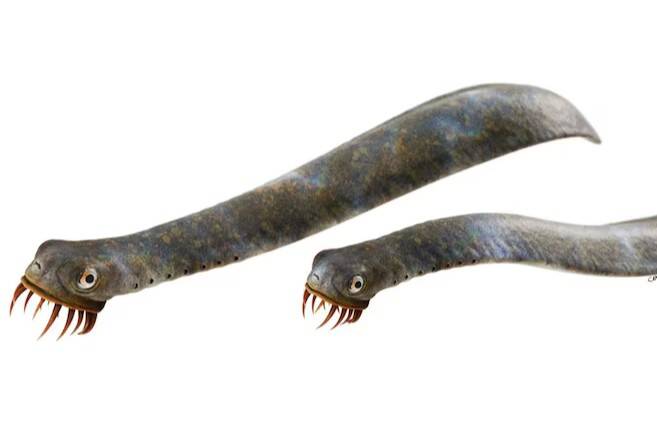
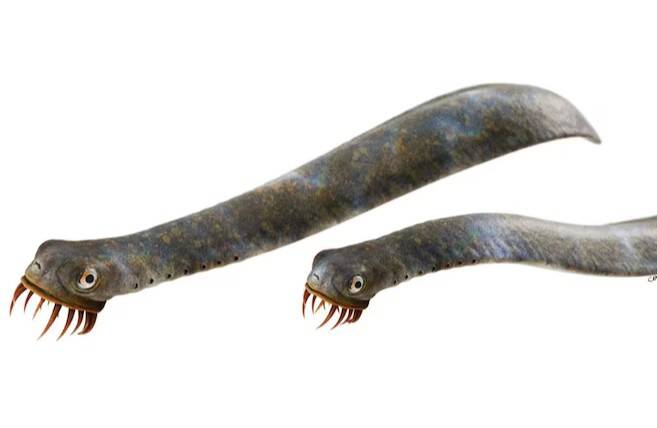
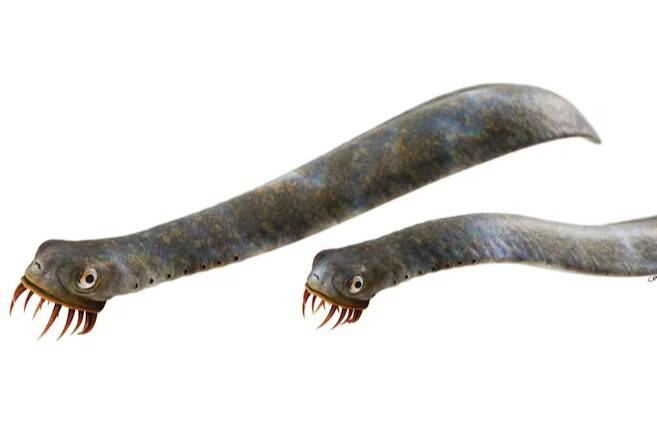
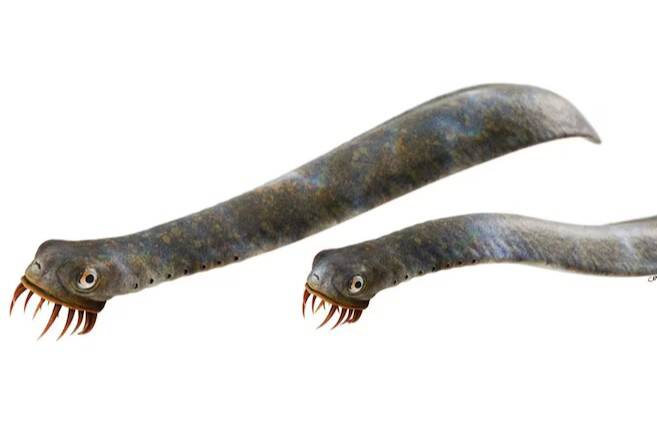
When it comes to sharp teeth, most people think of sharks or dinosaurs as the ultimate examples. However, new research has revealed that the sharpest teeth ever belonged to a tiny, jawless marine animal called conodonts. These ancient creatures, which lived hundreds of millions of years ago, had microscopic tooth elements that were sharper than any modern animal teeth and even steel blades.
Conodonts were small, eel-like animals that lived during the Paleozoic and Triassic periods, around 500-200 million years ago. They were one of the most common and widespread groups of animals during that time, but despite their abundance, they remain somewhat mysterious. One of the most fascinating things about conodonts is their unique tooth structure, which consisted of tiny, razor-sharp elements that were used for catching and eating prey.
The new study, which analyzed fossilized conodont teeth, found that these tiny elements were incredibly sharp, with some of them having a sharpness that rivaled that of modern surgical scalpels. In fact, the researchers found that the conodont teeth were so sharp that they were even sharper than some steel blades, which are known for their exceptional cutting ability.
So, how did these tiny animals manage to develop such incredibly sharp teeth? According to the researchers, the secret to conodonts’ sharp teeth lies in their unique composition and structure. Unlike modern animal teeth, which are made of enamel and dentin, conodont teeth were made of a hard, glass-like material that was incredibly resistant to wear and tear. This material, which is known as apatite, is still not fully understood, but it is thought to have played a key role in the development of conodonts’ sharp teeth.
The researchers used a combination of advanced imaging techniques, including scanning electron microscopy and X-ray computed tomography, to study the fossilized conodont teeth. These techniques allowed them to examine the teeth in exquisite detail, revealing their microscopic structure and composition. The results were astonishing, with some of the conodont teeth showing a sharpness that was previously thought to be impossible in biological systems.
The discovery of conodonts’ sharp teeth has significant implications for our understanding of the evolution of animal teeth and the development of sharp cutting tools. It shows that, hundreds of millions of years ago, these tiny animals were able to push the biological and material limits of tooth design, creating teeth that were sharper than anything found in modern animals.
The study also highlights the importance of fossil analysis in understanding the evolution of life on Earth. By examining fossilized remains, scientists can gain insights into the biology and ecology of ancient animals, and reconstruct the history of life on our planet. In this case, the analysis of conodont fossils has revealed a fascinating example of evolutionary innovation, which has significant implications for our understanding of the development of animal teeth and cutting tools.
In conclusion, the discovery of conodonts’ sharp teeth is a remarkable example of evolutionary ingenuity, which has significant implications for our understanding of the development of animal teeth and cutting tools. These tiny, jawless marine animals were able to push the biological and material limits of tooth design, creating teeth that were sharper than anything found in modern animals. The study of conodont fossils has revealed a fascinating example of evolutionary innovation, which highlights the importance of fossil analysis in understanding the evolution of life on Earth.
About the Author