Tiny ancient animal had sharpest teeth ever, study finds
For centuries, humans have been fascinated by the sharp teeth of sharks and dinosaurs, often considering them the epitome of evolutionary adaptation. However, new research has revealed that the sharpest teeth ever belonged not to these fearsome creatures, but to tiny jawless marine animals called conodonts. These microscopic tooth elements, found in conodont fossils, have been discovered to be sharper than modern animal teeth and even steel blades, pushing the boundaries of biological and material limits hundreds of millions of years ago.
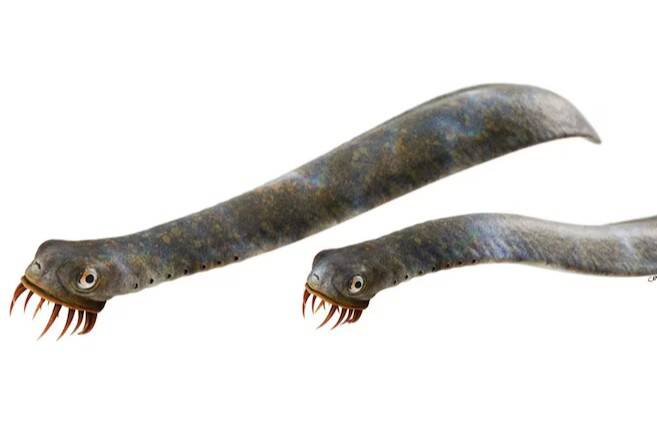
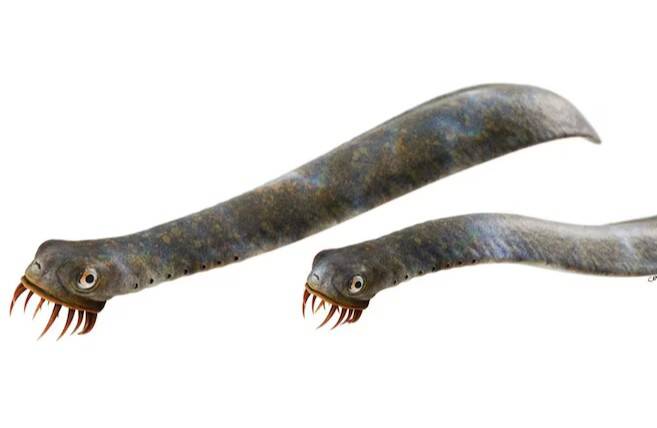
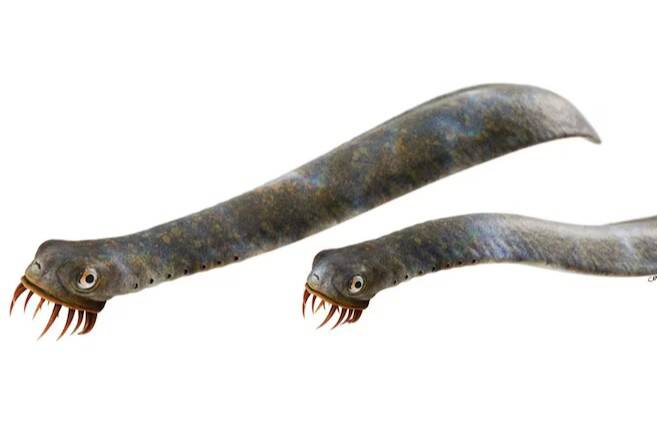
Conodonts, which lived during the Paleozoic and Triassic periods, were small, eel-like creatures that roamed the oceans around 500 million years ago. Despite their tiny size, they possessed some of the most impressive dental structures in the animal kingdom. Their tooth elements, which were made of enamel and dentine, were incredibly sharp and were used for catching and eating prey.
The study, which analyzed fossilized conodont tooth elements, found that they had a sharpness that rivaled that of modern-day shark teeth. However, what’s even more remarkable is that conodont teeth were sharper than steel blades, with some specimens exhibiting a sharpness of up to 20 times that of modern animal teeth. This level of sharpness is unprecedented in the animal kingdom and has left scientists stunned.
So, how did these tiny creatures manage to develop such razor-sharp teeth? The answer lies in their unique dental structure. Conodont teeth were made up of a hard, outer layer of enamel and a softer, inner layer of dentine. This combination of materials allowed their teeth to be both incredibly sharp and resistant to wear and tear.
But what’s even more fascinating is the way conodonts used their teeth. Unlike modern animals, which use their teeth to chew and grind food, conodonts used their teeth to capture and kill their prey. Their sharp teeth were perfectly adapted for this purpose, allowing them to grasp and hold onto struggling fish and other small animals.
The discovery of conodonts’ sharp teeth has significant implications for our understanding of evolutionary biology. It shows that even the tiniest creatures can develop remarkable adaptations that allow them to thrive in their environments. It also highlights the importance of studying fossil records, which can provide valuable insights into the history of life on Earth.
The study’s findings also have potential applications in modern technology. The unique structure of conodont teeth could inspire the development of new materials and tools, such as sharper surgical instruments or more efficient cutting tools. By studying the properties of conodont teeth, scientists may be able to create new materials that are stronger, sharper, and more durable than anything currently available.
In conclusion, the discovery of conodonts’ sharp teeth is a remarkable finding that challenges our assumptions about the evolution of animal dentition. These tiny creatures, which lived hundreds of millions of years ago, have left behind a legacy of razor-sharp teeth that continue to inspire wonder and awe. As scientists continue to study the fossil record, they may uncover even more secrets about the history of life on Earth and the incredible adaptations that have allowed animals to thrive in a wide range of environments.
About the Author