Tiny ancient animal had sharpest teeth ever, study finds
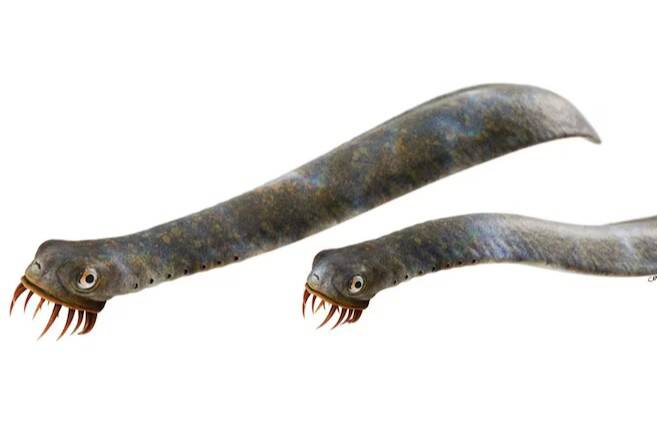
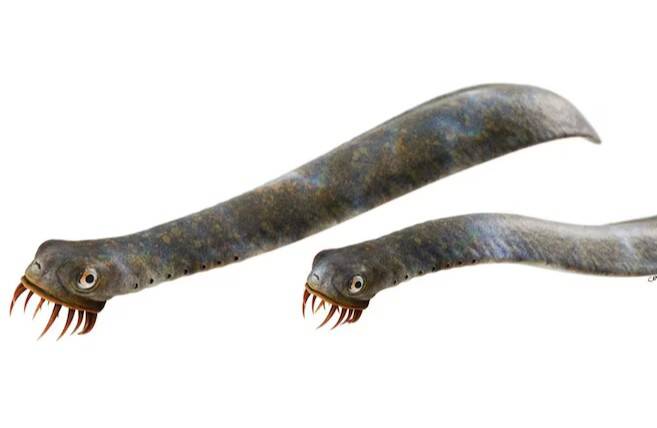
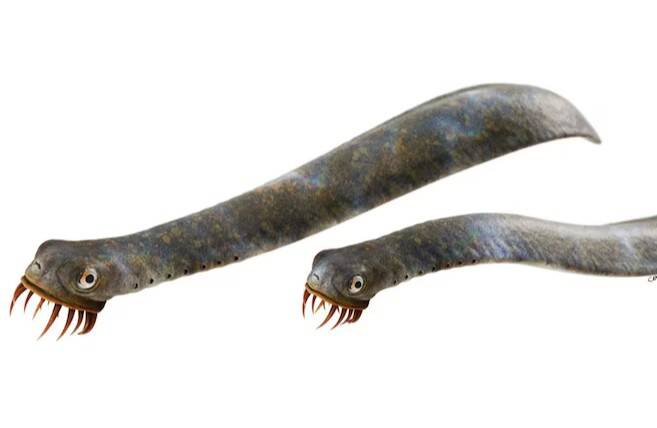
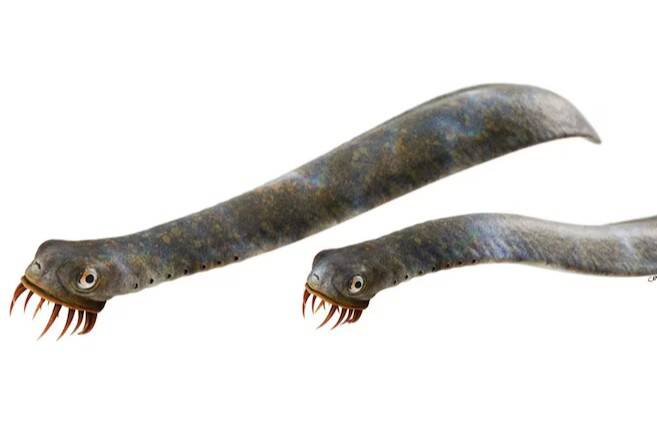
When it comes to the sharpest teeth in the animal kingdom, most people would likely think of sharks or dinosaurs. However, new research has revealed that the title of sharpest teeth ever actually belongs to a tiny, jawless marine animal called conodonts. These ancient creatures, which lived hundreds of millions of years ago, had microscopic tooth elements that were sharper than even modern animal teeth and steel blades.
Conodonts were small, eel-like animals that lived during the Paleozoic and Triassic periods, around 500-200 million years ago. They were thought to be one of the first vertebrates to evolve on Earth, and were characterized by their lack of jaws and complex tooth structures. Despite their small size, conodonts played a crucial role in the Earth’s ecosystem, serving as both predators and prey for other marine animals.
The study, which was conducted by a team of scientists, used advanced fossil analysis techniques to examine the tooth elements of conodonts. The researchers found that the teeth of these ancient animals were made up of a hard, tissue-like material that was capable of withstanding incredibly high pressures and stresses. This material, which is still not fully understood, allowed the conodonts to develop teeth that were sharper and more durable than any other animal on record.
One of the most significant findings of the study was that the teeth of conodonts were sharper than even the sharpest modern animal teeth. The researchers compared the conodont teeth to those of great white sharks, which are known for their razor-sharp teeth, and found that the conodont teeth were significantly sharper. In fact, the study found that the conodont teeth had a sharpness that was comparable to that of steel blades, which are designed to be extremely sharp and durable.
The implications of this discovery are significant, as it suggests that the design of conodont teeth pushed the biological and material limits of what was thought to be possible hundreds of millions of years ago. The development of such sharp and durable teeth would have required a highly specialized set of genetic and environmental factors, and would have given conodonts a significant advantage in terms of their ability to capture and eat prey.
The researchers behind the study believe that the discovery of conodont teeth could have important implications for the development of new materials and technologies. By studying the structure and composition of conodont teeth, scientists may be able to develop new materials that are capable of withstanding high pressures and stresses, and that have unique properties that are not found in modern materials.
In addition to their potential practical applications, the discovery of conodont teeth also provides important insights into the evolution of life on Earth. The fact that conodonts were able to develop such sharp and durable teeth suggests that they were highly adapted to their environment, and that they played a crucial role in the ecosystem of the time. This, in turn, suggests that the evolution of life on Earth was likely more complex and nuanced than previously thought, and that even the most ancient and primitive organisms were capable of developing complex and specialized structures.
In conclusion, the discovery of conodont teeth is a significant finding that challenges our current understanding of the evolution of life on Earth. The fact that these tiny, jawless marine animals were able to develop the sharpest teeth ever found is a testament to the incredible diversity and complexity of life on our planet, and highlights the importance of continued research and exploration into the natural world.
The study of conodont teeth is also a reminder of the importance of preserving and protecting our planet’s natural history. The fossils of conodonts and other ancient organisms provide a unique window into the past, and offer important insights into the evolution of life on Earth. By studying these fossils and the organisms that they represent, scientists can gain a better understanding of the complex and often surprising history of our planet, and can develop new perspectives on the natural world.
Overall, the discovery of conodont teeth is a fascinating finding that highlights the incredible diversity and complexity of life on Earth. Whether you are a scientist, a naturalist, or simply someone who is interested in the natural world, this discovery is sure to captivate and inspire, and to challenge our current understanding of the evolution of life on our planet.
About the Author