Tiny ancient animal had sharpest teeth ever, study finds
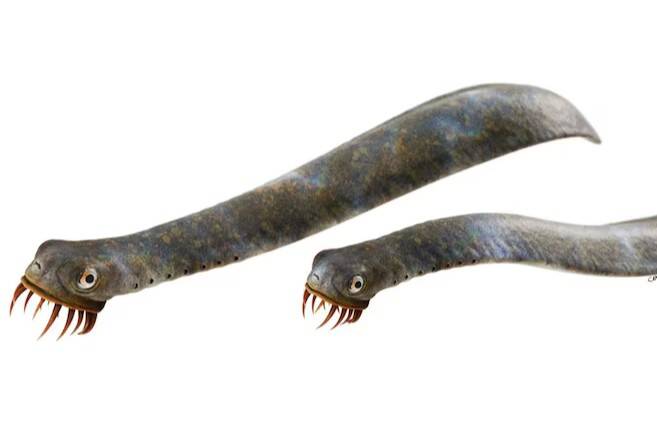
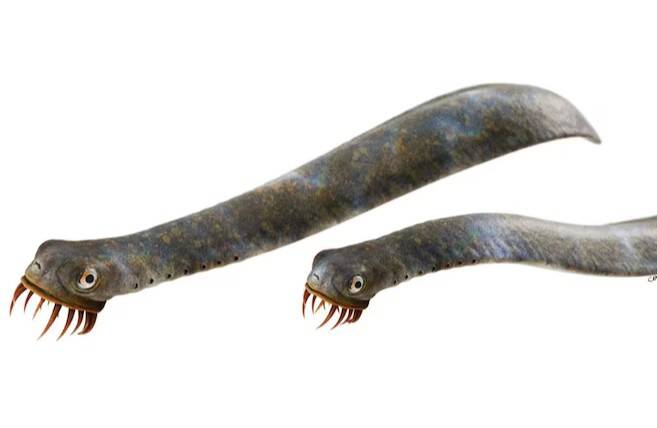
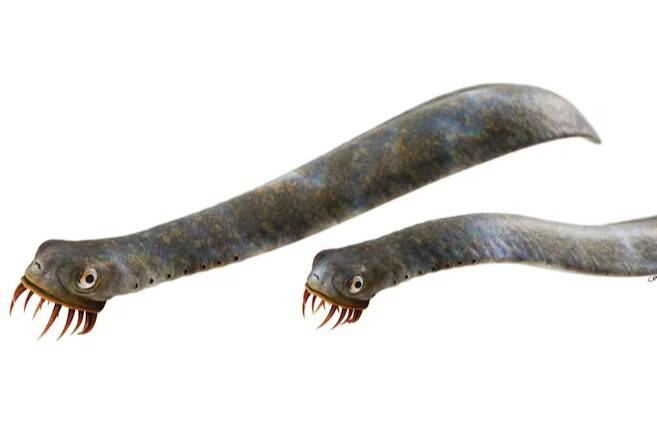
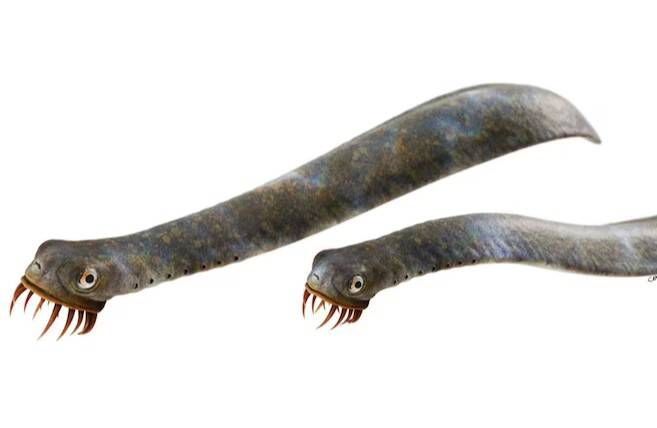
For decades, scientists have been fascinated by the evolution of teeth in various animal species. From the fierce sharks with their razor-sharp jaws to the mighty dinosaurs that once roamed the earth, it was widely believed that these creatures possessed the sharpest teeth in the animal kingdom. However, new research has turned this notion on its head, revealing that the sharpest teeth ever belonged to a tiny, jawless marine animal called conodonts.
Conodonts, which lived over 500 million years ago, were small, eel-like creatures that dwelled in the oceans during the Paleozoic and Triassic periods. Despite their diminutive size, these ancient animals possessed microscopic tooth elements that were sharper than any modern animal teeth, including those of sharks and dolphins. In fact, the study found that conodont teeth were even sharper than steel blades, pushing the boundaries of biological and material limits hundreds of millions of years ago.
The discovery was made possible through advanced fossil analysis techniques, which allowed scientists to examine the microscopic structure of conodont teeth in unprecedented detail. Using a combination of high-resolution microscopy and computational modeling, researchers were able to reconstruct the tooth elements and measure their sharpness with remarkable accuracy.
The results were nothing short of astonishing. The study found that conodont teeth had a sharpness of up to 20 gigapascals (GPa), which is significantly higher than the sharpness of any modern animal tooth. For comparison, the sharpness of a great white shark’s tooth is around 1-2 GPa, while a steel blade typically has a sharpness of around 5-10 GPa.
So, how did conodonts manage to develop such incredibly sharp teeth? According to scientists, the secret lies in the unique composition of their tooth elements. Conodont teeth were made up of a hard, wear-resistant material called apatite, which is also found in human teeth. However, the apatite in conodont teeth was arranged in a specific pattern that allowed it to achieve an extraordinary level of sharpness.
The study’s findings have significant implications for our understanding of the evolution of teeth in ancient animals. It suggests that conodonts were highly efficient predators that were able to exploit their environment with remarkable effectiveness. Their sharp teeth would have allowed them to capture and eat prey with ease, giving them a significant advantage over other animals in their ecosystem.
The discovery also raises interesting questions about the development of teeth in modern animals. If conodonts were able to achieve such remarkable sharpness hundreds of millions of years ago, why have modern animals not evolved similar levels of sharpness? One possible explanation is that the evolution of teeth is often influenced by a range of factors, including diet, environment, and competition with other species.
In addition to shedding new light on the evolution of teeth, the study’s findings also have potential applications in fields such as materials science and engineering. By understanding the composition and structure of conodont teeth, scientists may be able to develop new materials with similar properties, such as exceptional hardness and sharpness.
In conclusion, the discovery of the sharpest teeth ever found in a tiny ancient animal is a remarkable breakthrough that challenges our current understanding of the evolution of teeth in ancient animals. The study’s findings demonstrate the incredible diversity and complexity of life on earth, and highlight the importance of continued research into the natural world. By exploring the secrets of conodont teeth, scientists may uncover new insights into the development of teeth in modern animals, and potentially develop new materials and technologies that can benefit society as a whole.
About the Author