Tiny ancient animal had sharpest teeth ever, study finds
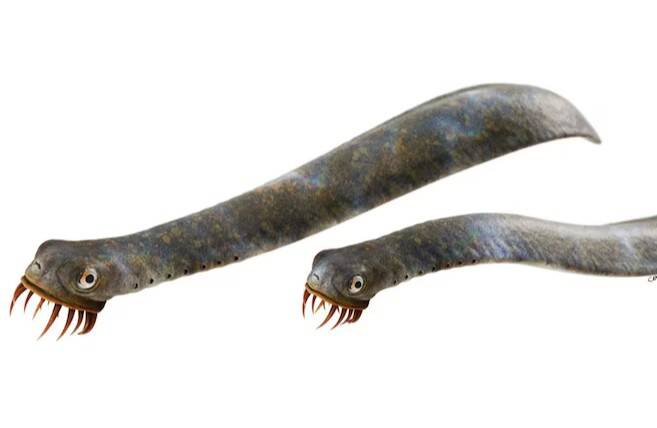
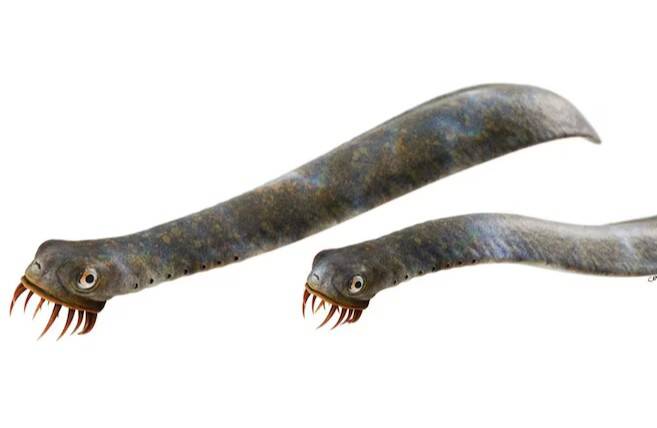
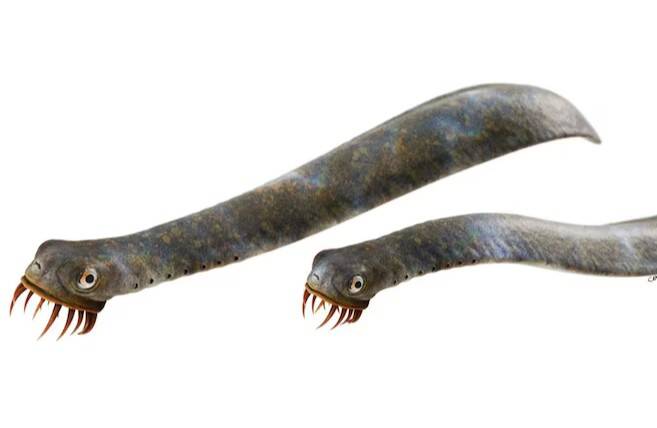
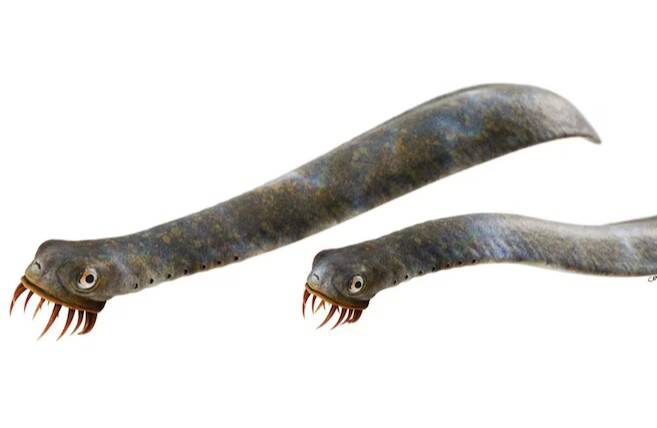
When we think of sharp teeth, we often imagine the fierce jaws of sharks or the powerful bites of dinosaurs. However, new research has revealed that the sharpest teeth ever belonged to a tiny, jawless marine animal called conodonts. These ancient creatures, which lived over 500 million years ago, had microscopic tooth elements that were sharper than modern animal teeth and even steel blades.
Conodonts were small, eel-like animals that were thought to be one of the first vertebrates on Earth. They were characterized by their lack of jaws and their unique tooth-like structures, which were used for catching and eating prey. Despite their small size, conodonts were highly efficient predators, and their teeth played a crucial role in their success.
The study, which was conducted by a team of scientists, used advanced fossil analysis techniques to examine the tooth elements of conodonts. They found that the teeth were made of a hard, wear-resistant material that was capable of withstanding the rigors of predation. The researchers also discovered that the teeth had a unique shape and structure, with a sharp, pointed tip and a serrated edge.
One of the most significant findings of the study was that the conodont teeth were sharper than any modern animal teeth. In fact, they were even sharper than steel blades, which are known for their sharpness and durability. The researchers used a technique called “nanoindentation” to measure the sharpness of the teeth, which involved using a tiny diamond tip to indent the surface of the tooth.
The results of the study showed that the conodont teeth had a sharpness of up to 20 gigapascals (GPa), which is significantly higher than the sharpness of modern animal teeth. For comparison, the sharpness of a human tooth is around 1-2 GPa, while the sharpness of a shark tooth is around 5-10 GPa. The sharpness of a steel blade, on the other hand, is around 10-15 GPa.
The study’s findings have significant implications for our understanding of the evolution of teeth and the development of sharpness in biological systems. The researchers believe that the conodont teeth were able to achieve such high levels of sharpness due to their unique structure and composition. The teeth were made of a hard, mineralized material that was capable of withstanding the stresses of predation, and their shape and structure allowed them to penetrate and grasp prey with ease.
The discovery of the conodont teeth’s sharpness has also sparked interest in the potential applications of biomimicry, which involves using nature-inspired designs to develop new technologies. The researchers believe that the unique structure and composition of the conodont teeth could be used to develop new materials and technologies, such as sharper cutting tools or more efficient dental implants.
In conclusion, the discovery of the conodont teeth’s sharpness is a significant finding that challenges our current understanding of the evolution of teeth and the development of sharpness in biological systems. The study’s findings have significant implications for the fields of paleontology, biology, and materials science, and highlight the importance of continued research into the natural world.
As scientists continue to study the conodont teeth and their unique properties, we may uncover even more secrets about the evolution of life on Earth and the development of biological systems. The discovery of the conodont teeth’s sharpness is a reminder that even the smallest and most ancient creatures can hold the key to major breakthroughs in our understanding of the natural world.
About the Author