Tiny ancient animal had sharpest teeth ever, study finds
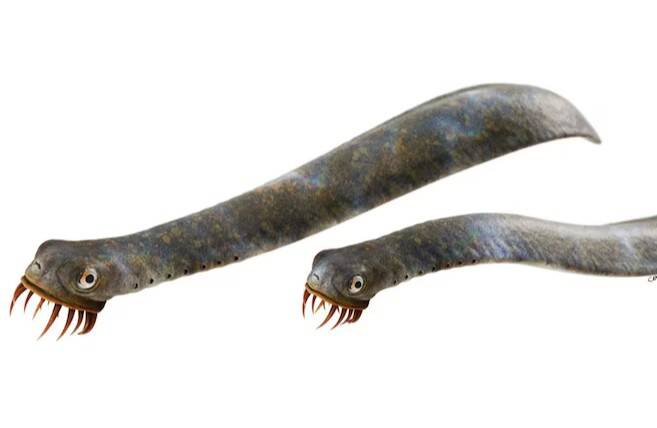
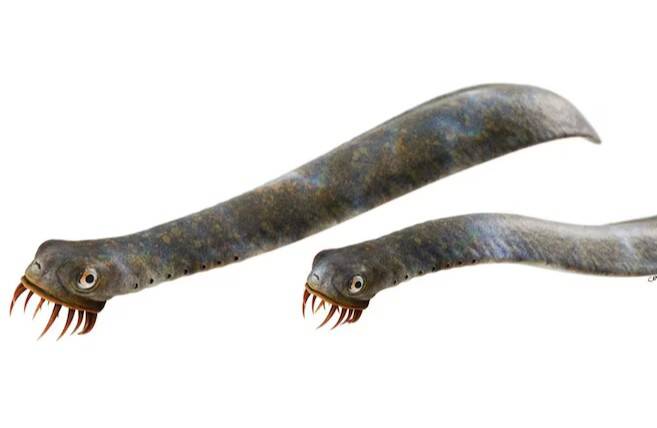
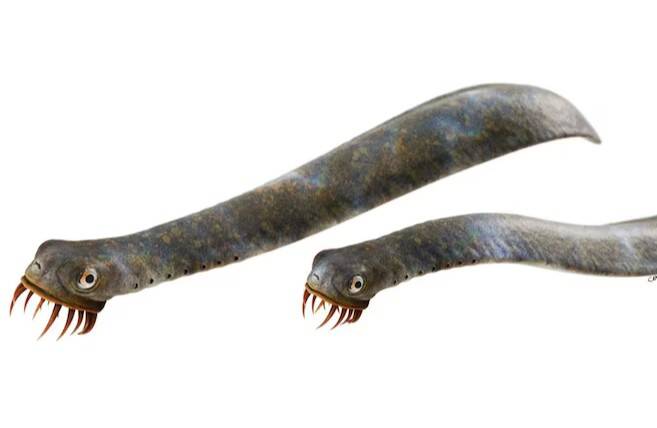
When we think of the sharpest teeth in the animal kingdom, we often imagine the fierce jaws of sharks or the powerful bites of dinosaurs. However, new research has revealed that the sharpest teeth ever belonged to a tiny, jawless marine animal called conodonts. These ancient creatures, which lived over 500 million years ago, had microscopic tooth elements that were sharper than even the most advanced modern animal teeth and steel blades.
Conodonts were small, eel-like animals that were thought to be one of the earliest vertebrates on Earth. They were characterized by their lack of jaws and their unique tooth-like structures, which were used for capturing and eating prey. For a long time, scientists have been fascinated by the conodonts’ unusual dental arrangement, but it wasn’t until recently that they were able to study their teeth in detail.
Using advanced fossil analysis techniques, researchers were able to examine the microscopic tooth elements of conodonts and compare them to those of modern animals. What they found was astonishing – the conodonts’ teeth were sharper than any other animal teeth, including those of sharks, dolphins, and even the most venomous snakes.
But what’s even more remarkable is that the conodonts’ teeth were not only sharper than modern animal teeth but also exceeded the sharpness of steel blades. This is a significant finding, as it suggests that these ancient animals were able to push the biological and material limits of their time, creating teeth that were more efficient and effective than anything that exists today.
So, how did conodonts manage to create such razor-sharp teeth? According to scientists, it all comes down to the unique structure of their tooth elements. Conodonts’ teeth were made up of a hard, calcium-based material that was arranged in a specific pattern to create a sharp, cutting edge. This edge was so sharp that it was able to slice through even the toughest materials, allowing conodonts to eat a wide range of prey, from small fish to plankton.
The discovery of conodonts’ sharp teeth has significant implications for our understanding of the evolution of animal teeth and the development of dental structures. It suggests that even the earliest vertebrates were able to create complex, specialized teeth that were adapted to their environment and diet.
Furthermore, the study of conodonts’ teeth could also have practical applications in the field of materials science. By studying the structure and composition of conodonts’ teeth, scientists may be able to develop new materials that are stronger, sharper, and more durable than anything that exists today.
In conclusion, the discovery of conodonts’ sharp teeth is a remarkable finding that has shed new light on the evolution of animal teeth and the development of dental structures. It’s a testament to the ingenuity and adaptability of ancient animals, which were able to create complex, specialized teeth that were adapted to their environment and diet. As we continue to study conodonts and their unique dental arrangement, we may uncover even more secrets about the evolution of life on Earth and the development of complex biological structures.
About the Author