Tiny ancient animal had sharpest teeth ever, study finds
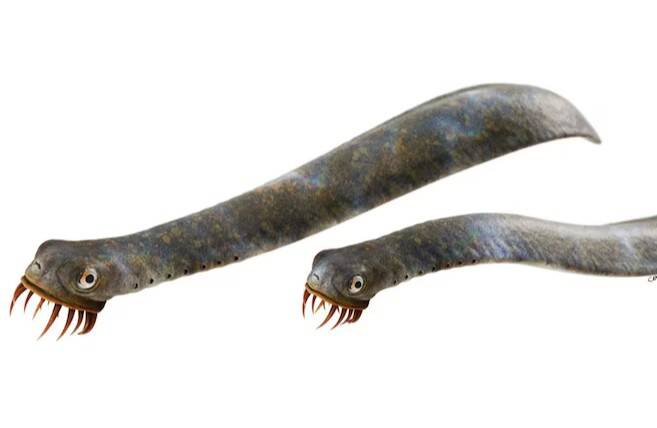
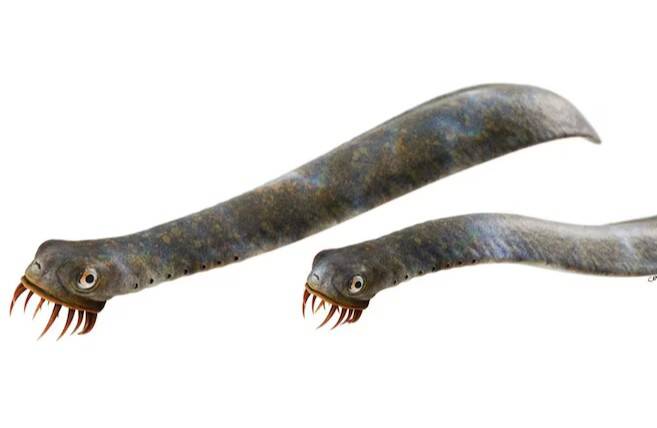
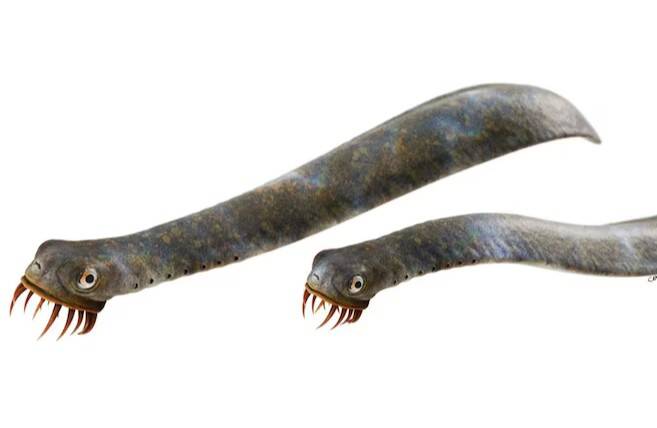
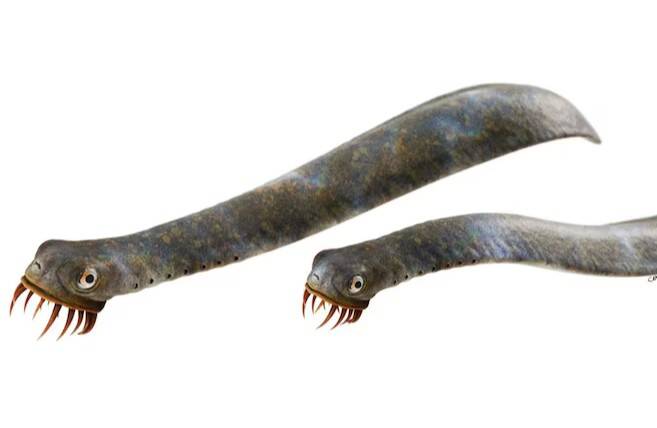
When it comes to the sharpest teeth in the animal kingdom, most people would think of sharks or dinosaurs. However, new research has revealed that the sharpest teeth ever belonged to a tiny, jawless marine animal called conodonts. These ancient creatures, which lived over 500 million years ago, had microscopic tooth elements that were sharper than modern animal teeth and even steel blades.
Conodonts were small, eel-like animals that were thought to be one of the earliest vertebrates on Earth. They were characterized by their lack of jaws and their unique tooth-like structures, which were made of hard, phosphatic material. For a long time, scientists believed that conodonts were simple, primitive creatures that played a relatively minor role in the ancient ecosystem. However, recent studies have shown that these tiny animals were actually highly advanced and had some of the most sophisticated dental structures in the animal kingdom.
The new research, which was conducted by a team of scientists from the University of Bristol, used advanced imaging techniques to study the tooth elements of conodonts. The team found that the teeth of these ancient animals were made up of tiny, needle-like structures that were only a few micrometers in length. Despite their small size, these teeth were incredibly sharp, with some of them having a sharpness that was comparable to that of steel blades.
The study found that the sharpness of conodont teeth was due to their unique structure, which consisted of a hard, phosphatic core surrounded by a thin layer of softer material. This design allowed the teeth to be extremely sharp and resistant to wear, making them ideal for catching and eating prey in the ancient ocean.
The researchers used a technique called focus ion beam milling to create high-resolution images of the conodont teeth. This technique allowed them to study the teeth in unprecedented detail, revealing their intricate structure and sharpness. The team also compared the sharpness of conodont teeth to that of modern animal teeth and found that they were significantly sharper.
The discovery of the sharpest teeth ever in conodonts has significant implications for our understanding of the evolution of dental structures in animals. It suggests that even the earliest vertebrates on Earth had highly advanced dental systems, which were capable of withstanding the demands of their environment. The study also highlights the importance of conodonts in the ancient ecosystem, and suggests that they may have played a more significant role than previously thought.
The researchers believe that the sharpness of conodont teeth was an adaptation to their environment, which was characterized by intense competition for food and resources. The sharp teeth would have allowed conodonts to catch and eat prey more efficiently, giving them a competitive advantage over other animals in the ancient ocean.
The study also has implications for the development of new materials and technologies. The unique structure of conodont teeth, which combines hardness and sharpness, could inspire the development of new materials that have similar properties. This could lead to the creation of new tools and technologies that are more efficient and effective than those currently available.
In conclusion, the discovery of the sharpest teeth ever in conodonts is a significant finding that has shed new light on the evolution of dental structures in animals. The study has shown that even the earliest vertebrates on Earth had highly advanced dental systems, which were capable of withstanding the demands of their environment. The unique structure of conodont teeth, which combines hardness and sharpness, could inspire the development of new materials and technologies, and has significant implications for our understanding of the ancient ecosystem.
The study is a reminder that even the smallest and most ancient creatures can hold the key to understanding the evolution of life on Earth. It highlights the importance of continued research and exploration of the natural world, and the potential for new discoveries that can challenge our current understanding of the world and the universe.
About the Author