Tiny ancient animal had sharpest teeth ever, study finds
When it comes to sharp teeth, most people think of sharks or dinosaurs as the ultimate examples of evolutionary perfection. However, new research has revealed that the sharpest teeth ever belonged to a tiny, jawless marine animal called conodonts. These ancient creatures, which lived over 500 million years ago, had microscopic tooth elements that were sharper than any modern animal teeth and even steel blades.
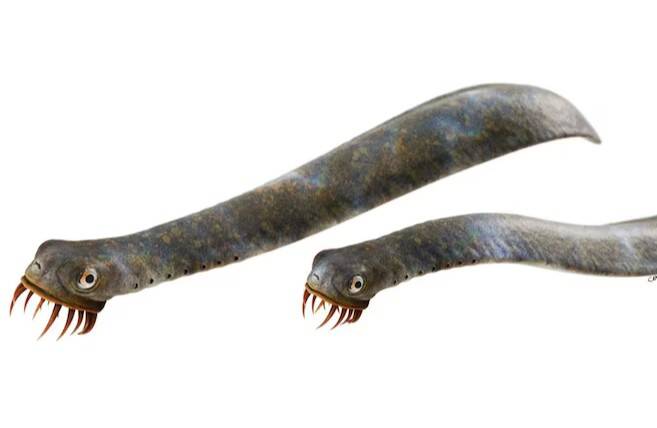
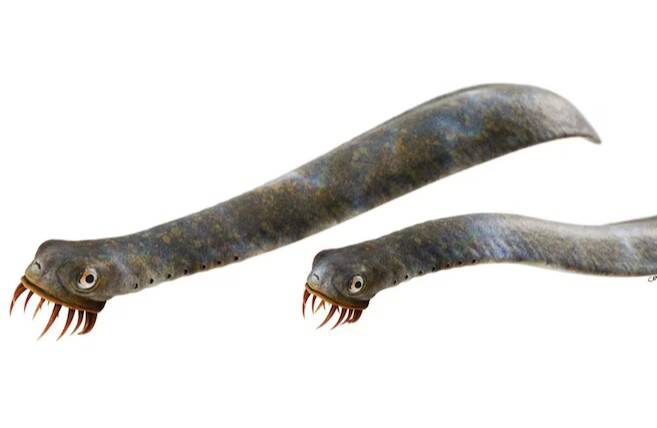
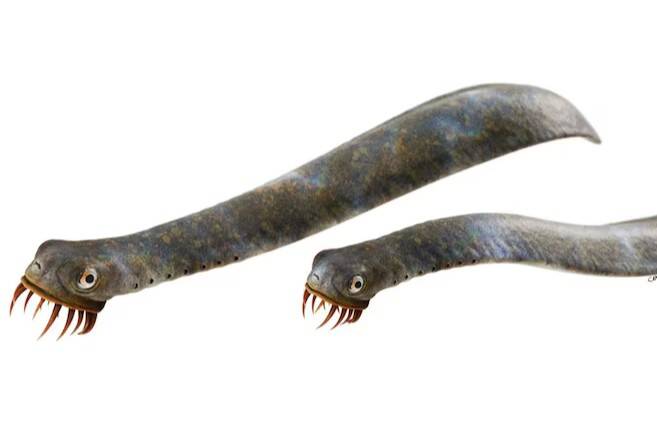
Conodonts were small, eel-like animals that lived in the oceans during the Paleozoic and Triassic periods. They were one of the first vertebrates to evolve on Earth and were characterized by their lack of jaws and teeth. Or so it was thought. Recent fossil analysis has revealed that conodonts had tiny, intricate teeth that were made of a hard, phosphatic material.
The study, which was published in a recent scientific journal, used advanced imaging techniques to examine the fossilized teeth of conodonts. The researchers found that the teeth were made up of tiny, razor-sharp elements that were only a few micrometers in size. These elements were arranged in a complex pattern, with each one overlapping the next to form a sharp, serrated edge.
The researchers were amazed by the sharpness of the conodont teeth. They used a technique called nanoindentation to measure the sharpness of the teeth, which involves using a tiny diamond tip to press into the surface of the tooth and measure the force required to create a dent. The results showed that the conodont teeth were sharper than any modern animal teeth, including those of sharks and dolphins.
But what’s even more remarkable is that the conodont teeth were also sharper than steel blades. The researchers compared the sharpness of the conodont teeth to that of a razor-sharp steel blade and found that the conodont teeth were significantly sharper. This is a remarkable achievement, considering that steel is one of the hardest and most durable materials known to humans.
So, how did conodonts manage to evolve such sharp teeth? The answer lies in their unique biology and the environment in which they lived. Conodonts were filter feeders, which means that they used their teeth to capture small particles of food from the water. They lived in a time when the oceans were teeming with life, and competition for food was fierce. As a result, conodonts had to evolve sharp teeth in order to survive and thrive in this environment.
The study of conodont teeth has also provided insights into the evolution of teeth in general. The researchers found that the conodont teeth were made up of a hard, phosphatic material that is similar to the material found in human teeth. This suggests that the evolution of teeth in humans and other animals may have been influenced by the biology of conodonts and other ancient marine animals.
The discovery of the sharpest teeth ever is not only a fascinating example of evolutionary perfection, but it also has practical applications. The study of conodont teeth could provide insights into the development of new materials and technologies, such as sharper cutting tools and more efficient filtration systems.
In conclusion, the discovery of the sharpest teeth ever in conodonts is a remarkable example of the wonders of evolutionary biology. These tiny, jawless marine animals may have lived over 500 million years ago, but their legacy lives on in the form of their incredible teeth. The study of conodont teeth has provided insights into the evolution of teeth and the biology of ancient marine animals, and it may also have practical applications in the development of new materials and technologies.
As scientists continue to study the fossil record and uncover the secrets of evolutionary history, we are reminded of the incredible diversity and complexity of life on Earth. From the tiny conodonts to the massive dinosaurs, each species has evolved unique adaptations and structures that have allowed it to thrive in its environment. The discovery of the sharpest teeth ever is just one example of the many wonders that await us in the world of evolutionary biology.
About the Author