Tiny ancient animal had sharpest teeth ever, study finds
For centuries, humans have been fascinated by the idea of sharp teeth, often associating them with fearsome predators like sharks and dinosaurs. However, a recent study has turned this notion on its head, revealing that the sharpest teeth ever belonged not to these mighty creatures, but to a tiny, jawless marine animal called conodonts. These ancient animals, which lived over 500 million years ago, had microscopic tooth elements that were sharper than even the most advanced modern animal teeth and steel blades.
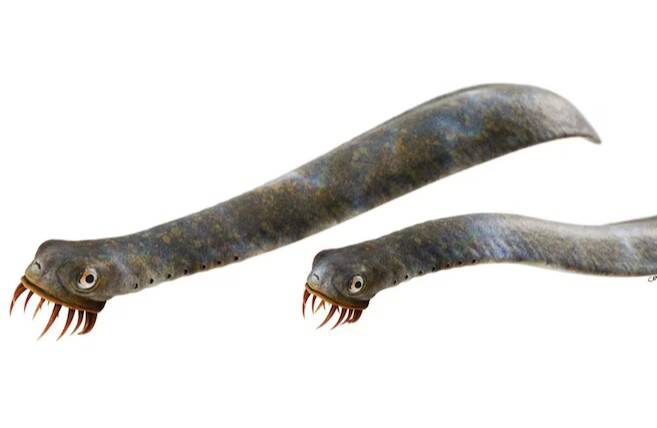
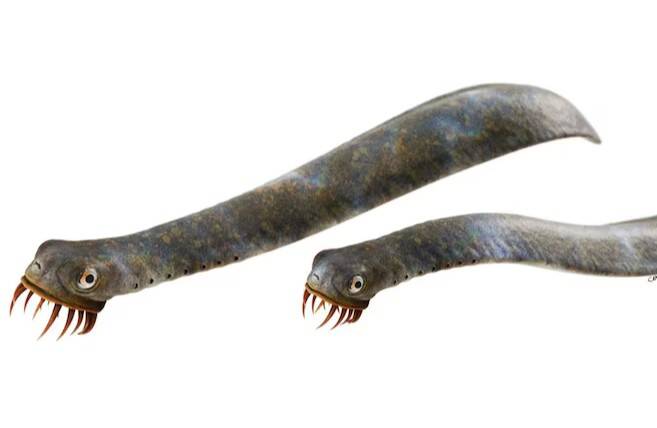
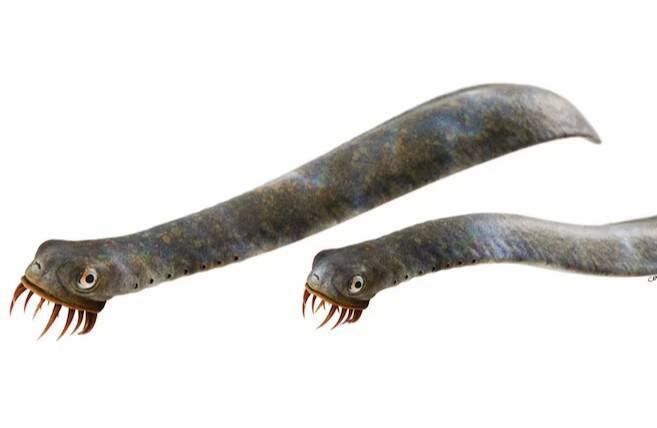
Conodonts were small, eel-like creatures that roamed the oceans during the Paleozoic Era. Despite their tiny size, they possessed a unique set of teeth that were designed for catching and eating prey. These teeth, called conodont elements, were made of a hard, phosphatic material that was incredibly sharp. In fact, the study found that the conodont elements were so sharp that they surpassed the sharpness of even the most advanced modern animal teeth, including those of sharks and dolphins.
But what makes the conodont elements so special? To answer this question, scientists used advanced imaging techniques, such as scanning electron microscopy and atomic force microscopy, to study the structure and composition of the teeth. They found that the conodont elements had a unique arrangement of microscopic crystals that gave them their exceptional sharpness. The crystals, which were made of a hard, phosphatic material, were arranged in a specific pattern that allowed them to maintain their sharpness even after millions of years.
The study also found that the conodont elements were not just sharp, but also incredibly durable. The scientists tested the teeth by scratching them against other materials, such as steel blades, and found that they were resistant to wear and tear. This suggests that the conodonts were able to use their teeth to catch and eat prey without worrying about damaging them.
So, how did the conodonts manage to develop such incredibly sharp teeth? The answer lies in their unique biology. Conodonts were jawless animals, which means that they didn’t have a traditional jawbone like most other animals. Instead, they had a pair of tooth-like structures that they used to catch and eat prey. This arrangement allowed them to develop teeth that were specifically designed for catching and eating small prey, such as plankton and other tiny organisms.
The study of conodonts and their sharp teeth has significant implications for our understanding of the evolution of life on Earth. It shows that even the tiniest creatures can develop remarkable adaptations that allow them to thrive in their environments. It also highlights the importance of studying fossil records, which can provide valuable insights into the history of life on our planet.
In addition, the discovery of the conodonts’ sharp teeth has potential applications in modern technology. The unique arrangement of microscopic crystals that gives the conodont elements their sharpness could inspire the development of new materials and technologies. For example, scientists could use the conodonts’ teeth as a model for developing new cutting tools or medical instruments.
In conclusion, the discovery of the conodonts’ sharp teeth is a remarkable finding that challenges our assumptions about the evolution of life on Earth. These tiny, ancient animals developed teeth that were sharper than even the most advanced modern animal teeth and steel blades, pushing the boundaries of biological and material limits hundreds of millions of years ago. The study of conodonts and their sharp teeth is a testament to the incredible diversity and complexity of life on our planet, and it highlights the importance of continued exploration and discovery.
About the Author