Tiny ancient animal had sharpest teeth ever, study finds
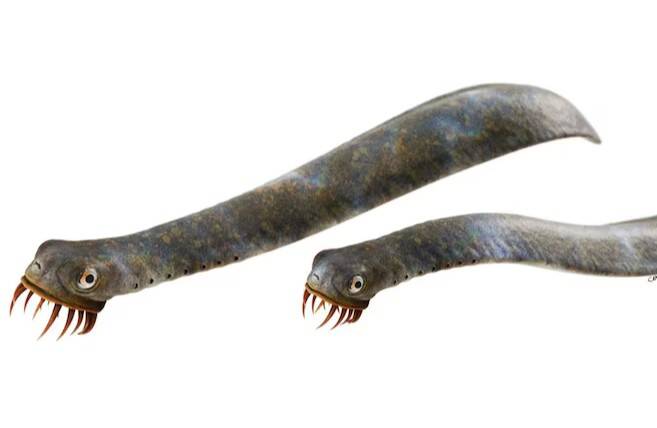
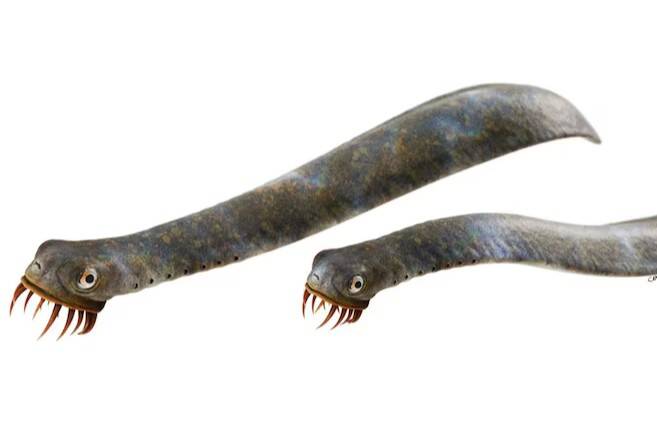
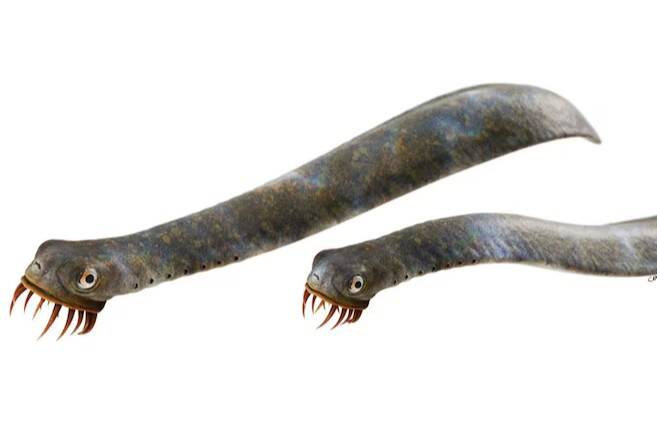
When we think of the sharpest teeth in the animal kingdom, our minds often turn to sharks or dinosaurs. These predators are known for their powerful jaws and razor-sharp teeth, which they use to catch and devour their prey. However, new research has revealed that the sharpest teeth ever belonged to a tiny, jawless marine animal called conodonts. These ancient creatures, which lived hundreds of millions of years ago, had microscopic tooth elements that were sharper than even the sharpest modern animal teeth and steel blades.
Conodonts were small, eel-like animals that lived during the Paleozoic and Triassic periods, around 500-200 million years ago. They were among the first vertebrates to evolve on Earth and were characterized by their lack of jaws and teeth. Or so we thought. Recent fossil analysis has revealed that conodonts had complex tooth-like structures called conodont elements, which were made of a hard, mineralized material.
These conodont elements were incredibly sharp, with some specimens showing a sharpness that is unparalleled in the animal kingdom. In fact, the sharpness of conodont elements is even greater than that of modern shark teeth, which are renowned for their razor-sharp edges. But what’s even more remarkable is that the sharpness of conodont elements is comparable to that of steel blades, which are manufactured using advanced technologies and materials.
So, how did these tiny ancient animals manage to develop such sharp teeth? The answer lies in their unique biology and the materials that made up their conodont elements. Conodonts had a specialized skeleton that was composed of a hard, mineralized material called apatite. This material is similar to the enamel that makes up human teeth, but it is much harder and more resistant to wear and tear.
The conodont elements were also incredibly small, measuring only a few millimeters in length. This small size allowed them to be extremely sharp, as the curvature of the element could be much tighter than that of larger teeth. Additionally, the conodont elements were arranged in a complex pattern, with multiple elements working together to form a functional tooth.
The discovery of conodonts’ sharp teeth has significant implications for our understanding of the evolution of vertebrates. It suggests that these ancient animals were capable of developing complex, highly specialized structures that were adapted to their environment and diet. The fact that conodonts were able to push the limits of biological and material design hundreds of millions of years ago is a testament to the incredible diversity and ingenuity of life on Earth.
But the significance of this discovery goes beyond the realm of evolutionary biology. The study of conodonts’ sharp teeth could also have practical applications in the development of new materials and technologies. For example, the unique structure and composition of conodont elements could inspire the design of new cutting tools or medical instruments.
In conclusion, the discovery of conodonts’ sharp teeth is a remarkable find that has shed new light on the evolution of vertebrates and the development of complex biological structures. These tiny ancient animals were capable of developing teeth that were sharper than even the sharpest modern animal teeth and steel blades, using materials and designs that were unparalleled in the animal kingdom. As we continue to study and learn from these fascinating creatures, we may uncover even more secrets about the evolution of life on Earth and the incredible diversity of biological and material designs that have evolved over millions of years.
About the Author