Tiny ancient animal had sharpest teeth ever, study finds
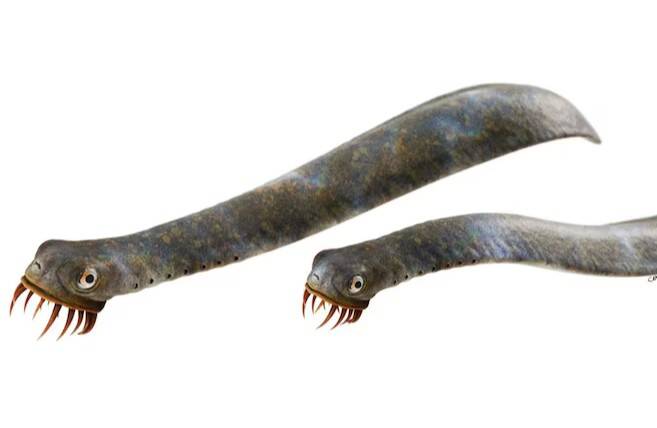
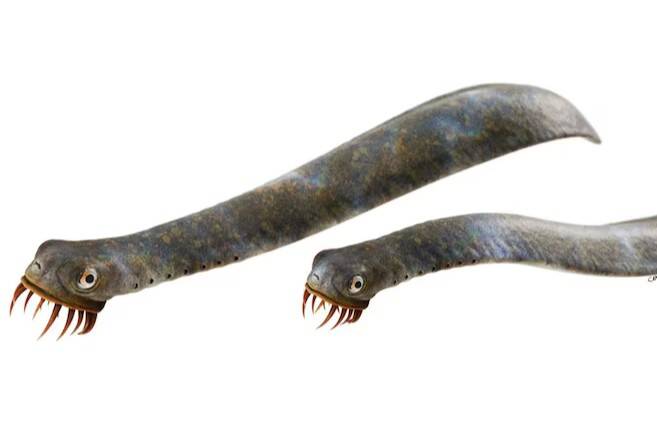
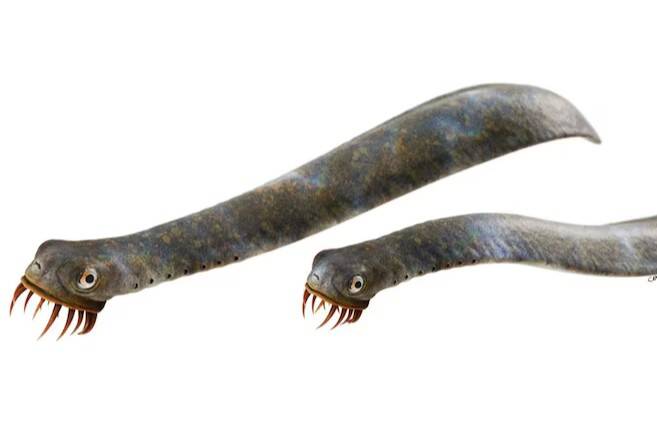
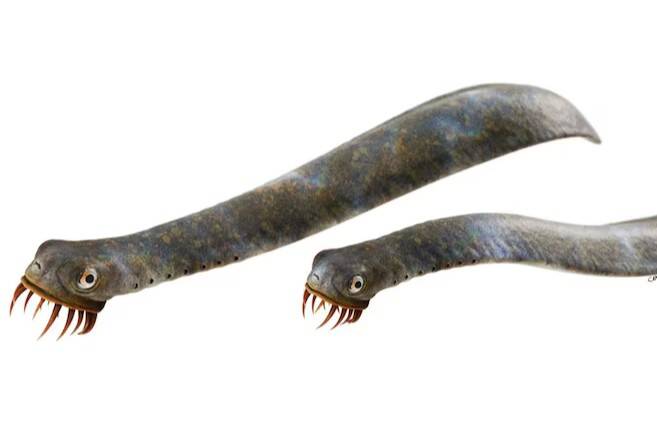
When we think of sharp teeth, our minds often wander to sharks, dinosaurs, and other fierce predators that have dominated the Earth’s landscape over millions of years. However, new research has revealed that the sharpest teeth ever recorded did not belong to these fearsome creatures, but rather to a tiny, jawless marine animal called conodonts. These ancient animals, which lived over 500 million years ago, had microscopic tooth elements that were sharper than any modern animal teeth and even steel blades.
Conodonts were small, eel-like creatures that were abundant in the oceans during the Paleozoic Era. They were among the first vertebrates to appear on Earth and were characterized by their lack of jaws and teeth. Or so it was thought. Recent fossil analysis has shown that conodonts had complex, multi-element teeth that were made of a hard, enamel-like material. These teeth were incredibly sharp, with some specimens showing a sharpness that exceeds that of any modern animal.
The study, which was conducted by a team of researchers, used advanced imaging techniques to analyze the microscopic structure of conodont teeth. They found that the teeth were made up of a unique arrangement of minerals, including apatite and calcite, which gave them their exceptional sharpness. The team also compared the sharpness of conodont teeth to that of modern animal teeth and found that they were significantly sharper.
But what’s even more remarkable about conodont teeth is that they were able to achieve such sharpness without the use of any external tools or materials. Unlike modern animals, which often use tools to sharpen their teeth, conodonts were able to grow their teeth to incredible sharpness through a process of biomineralization. This process, which involves the deposition of minerals from the surrounding water, allowed conodonts to create teeth that were not only sharp but also extremely durable.
The discovery of conodont teeth has significant implications for our understanding of the evolution of vertebrates. It suggests that the development of sharp teeth was not a recent innovation, but rather a trait that has been present in vertebrates for hundreds of millions of years. It also highlights the incredible diversity of life on Earth, where even the smallest and seemingly insignificant creatures can possess remarkable adaptations that have allowed them to thrive in their environments.
The researchers behind the study were amazed by the sharpness of conodont teeth and the implications it has for our understanding of the evolution of life on Earth. “We were blown away by the sharpness of these teeth,” said one of the researchers. “They are sharper than any modern animal teeth and even sharper than steel blades. It’s a testament to the incredible diversity of life on Earth and the remarkable adaptations that have evolved over millions of years.”
The study also has potential applications in the field of materials science. The unique arrangement of minerals in conodont teeth could provide insights into the development of new materials with exceptional sharpness and durability. This could have significant implications for a range of industries, from medicine to manufacturing, where sharp and durable materials are essential.
In conclusion, the discovery of conodont teeth is a remarkable finding that highlights the incredible diversity of life on Earth. These tiny, ancient animals had the sharpest teeth ever recorded, and their unique arrangement of minerals could provide insights into the development of new materials. As we continue to explore the natural world, we are constantly reminded of the incredible adaptations that have evolved over millions of years, and the conodont is just one example of the many fascinating creatures that have shaped the history of our planet.
About the Author