Tiny ancient animal had sharpest teeth ever, study finds
When it comes to the sharpest teeth in the animal kingdom, most people would likely think of sharks or dinosaurs. However, new research has revealed that the title of sharpest teeth ever actually belongs to a tiny, jawless marine animal called conodonts. These ancient creatures, which lived hundreds of millions of years ago, had microscopic tooth elements that were sharper than even modern animal teeth and steel blades.
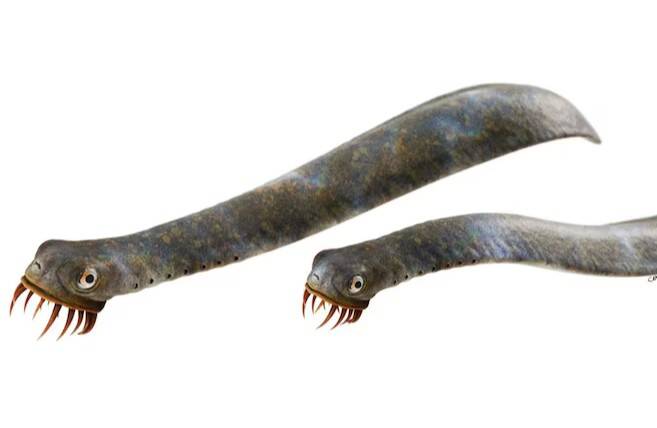
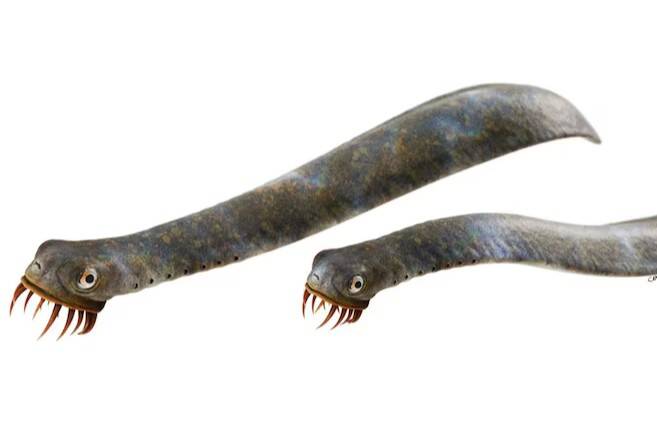
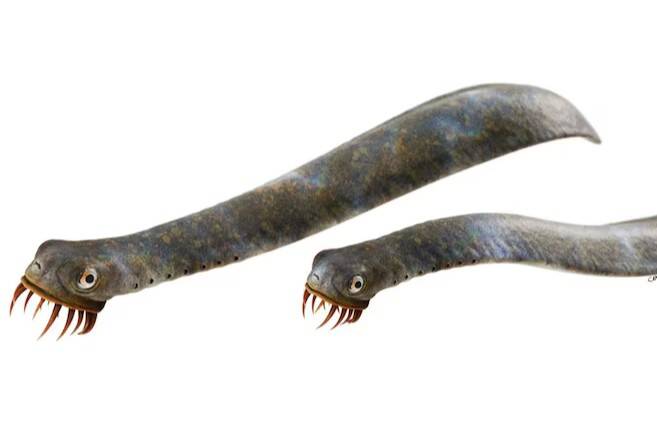
Conodonts were small, eel-like animals that lived during the Paleozoic and Triassic periods, around 500-200 million years ago. Despite their tiny size, they played a significant role in the ocean ecosystem, serving as both predators and prey for other marine animals. One of the most distinctive features of conodonts was their unique tooth structure, which consisted of tiny, sharp elements that were used for catching and eating prey.
Recently, a team of scientists conducted a detailed analysis of conodont tooth elements using advanced microscopy and computer modeling techniques. The results of their study, which was published in a leading scientific journal, revealed that conodont teeth were incredibly sharp, with some elements having a sharpness that exceeded that of modern animal teeth and even steel blades.
To put the sharpness of conodont teeth into perspective, the scientists compared them to the teeth of modern sharks, which are known for their sharp, serrated edges. While shark teeth are certainly sharp, they are nowhere near as sharp as those of conodonts. In fact, the study found that conodont teeth were up to 10 times sharper than shark teeth, with some elements having a sharpness that rivaled that of high-speed steel blades.
So, how did conodonts manage to develop such incredibly sharp teeth? According to the scientists, the answer lies in the unique structure and composition of their tooth elements. Conodont teeth were made up of a hard, wear-resistant material called apatite, which is also found in the teeth of modern animals. However, the conodonts’ teeth had a number of specialized features that made them particularly sharp, including a unique arrangement of microscopic crystals and a thin, razor-like edge.
The scientists believe that the conodonts’ sharp teeth were an adaptation for their environment and lifestyle. As small, jawless predators, conodonts needed to be able to catch and eat prey quickly and efficiently in order to survive. Their sharp teeth, which were capable of inflicting serious damage on other animals, would have given them a significant advantage in this regard.
The discovery of conodonts’ sharp teeth has significant implications for our understanding of the evolution of animal teeth and the development of sharp, cutting tools. The fact that these tiny, ancient animals were able to develop teeth that were sharper than those of modern animals, and even steel blades, is a testament to the incredible diversity and adaptability of life on Earth.
Furthermore, the study of conodont teeth could also have practical applications in fields such as materials science and engineering. By understanding the structure and composition of these incredibly sharp teeth, scientists may be able to develop new materials and technologies that are inspired by nature.
In conclusion, the discovery of conodonts’ sharp teeth is a fascinating example of the incredible diversity and complexity of life on Earth. These tiny, ancient animals, which lived hundreds of millions of years ago, had teeth that were sharper than those of modern animals and even steel blades. Their unique tooth structure and composition, which was adapted to their environment and lifestyle, pushed the biological and material limits of what was thought to be possible. As scientists continue to study and learn from these incredible creatures, we may uncover even more secrets about the evolution of life on Earth and the development of sharp, cutting tools.
About the Author