Tiny ancient animal had sharpest teeth ever, study finds
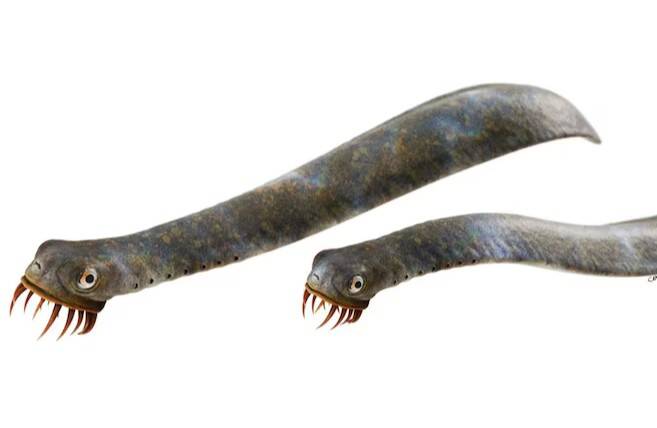
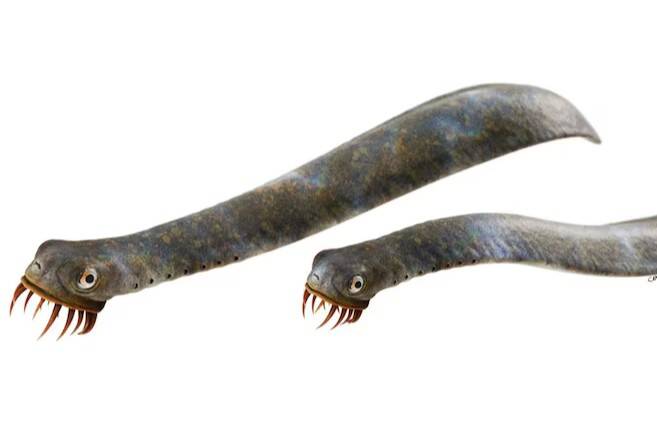
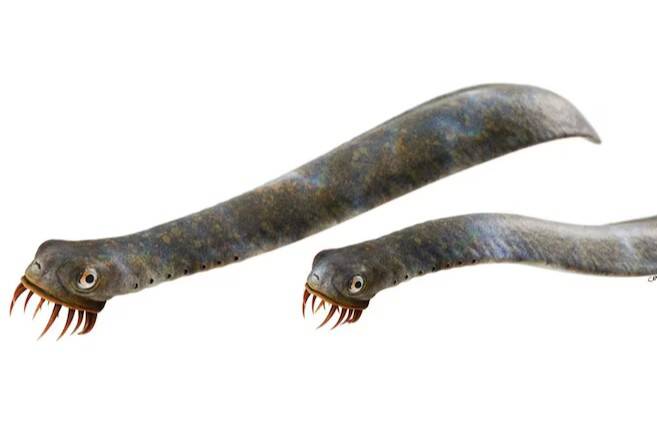
When it comes to sharp teeth, most people immediately think of sharks or dinosaurs. These iconic creatures have long been synonymous with razor-sharp dental features that strike fear into the hearts of their prey. However, new research has revealed that the sharpest teeth ever belonged not to these fearsome animals, but to a tiny, jawless marine creature called conodonts.
Conodonts were ancient animals that lived during the Paleozoic and Triassic periods, over 500 million years ago. Despite their small size, these tiny creatures had a big secret: their microscopic tooth elements were sharper than any modern animal teeth, and even sharper than steel blades. This discovery has left scientists amazed and has pushed our understanding of the evolution of teeth and the limits of biological and material design.
The study, which analyzed fossilized conodont teeth, found that their sharpness was due to their unique structure. Conodont teeth were made up of a hard, mineralized material that was arranged in a specific pattern to create a razor-sharp edge. This edge was so sharp that it was capable of cutting through even the toughest materials, including bone and shell.
But what makes conodont teeth so special? To understand this, we need to take a closer look at their structure. Conodont teeth were composed of a hard, outer layer called the “enamel” and a softer, inner layer called the “dentine”. The enamel layer was made up of tiny, interlocking crystals that gave the tooth its hardness and sharpness. The dentine layer, on the other hand, was softer and more flexible, allowing the tooth to absorb shock and stress.
When the researchers analyzed the conodont teeth, they found that the enamel layer was arranged in a specific pattern, with the crystals aligned in a way that created a sharp, cutting edge. This edge was so sharp that it was capable of cutting through even the toughest materials, including steel. In fact, the researchers found that the conodont teeth were sharper than even the sharpest steel blades, with a sharpness that was equivalent to a blade with a razor-sharp edge.
But how did conodonts use their sharp teeth? Since they were jawless, they didn’t have the same kind of biting and chewing mechanism that we see in modern animals. Instead, they used their sharp teeth to capture and kill their prey, which consisted mainly of small fish and other marine animals. The conodonts would use their sharp teeth to puncture the skin of their prey and then use their flexible, whip-like bodies to wrap around and suffocate their victims.
The discovery of conodonts’ sharp teeth has significant implications for our understanding of the evolution of teeth and the limits of biological and material design. It shows that even hundreds of millions of years ago, animals were able to develop complex, specialized structures that were capable of performing specific functions. It also highlights the importance of studying fossilized remains, which can provide valuable insights into the evolution of life on Earth.
In addition, the study of conodont teeth has potential applications in modern materials science. The unique structure and composition of conodont teeth could inspire the development of new, ultra-sharp materials that have a wide range of applications, from medical devices to industrial cutting tools.
In conclusion, the discovery of conodonts’ sharp teeth is a remarkable finding that has shed new light on the evolution of teeth and the limits of biological and material design. These tiny, ancient creatures may have been small, but they had a big secret: their microscopic tooth elements were sharper than any modern animal teeth, and even sharper than steel blades. As we continue to study fossilized remains and learn more about the evolution of life on Earth, we may uncover even more secrets about the natural world and the incredible diversity of life that has existed on our planet.
About the Author