Tiny ancient animal had sharpest teeth ever, study finds
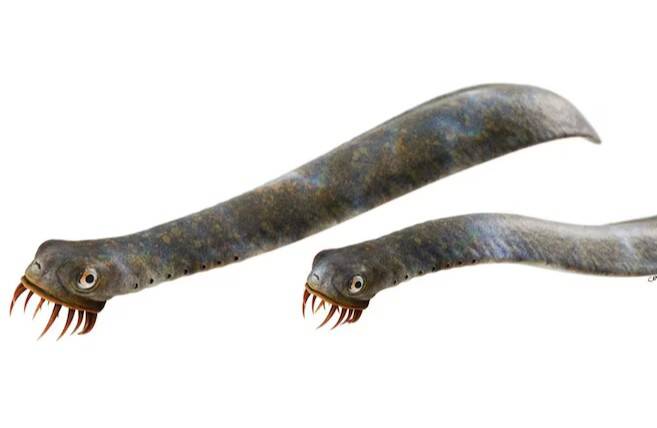
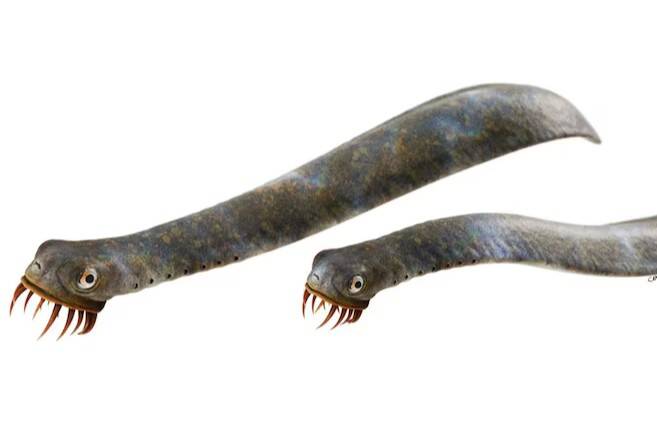
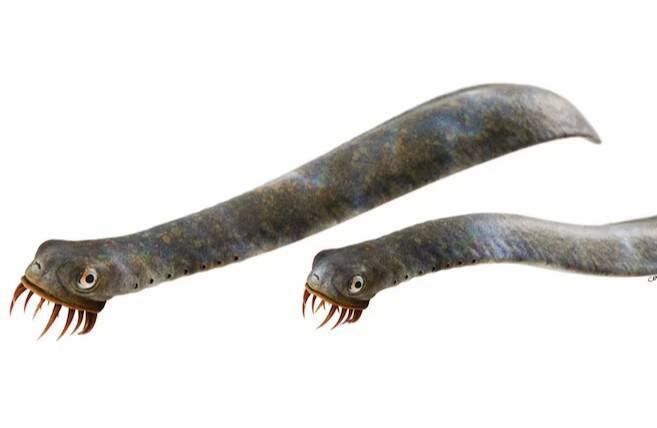
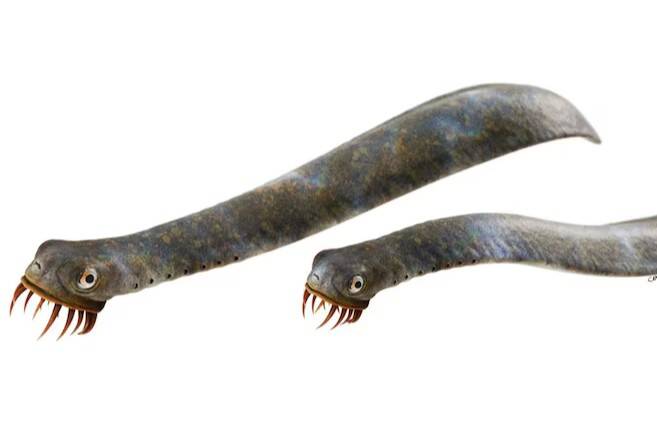
When we think of sharp teeth, we often imagine the fierce jaws of sharks or the powerful bites of dinosaurs. However, new research has revealed that the sharpest teeth ever belonged to a tiny, jawless marine animal called conodonts. These ancient creatures, which lived hundreds of millions of years ago, had microscopic tooth elements that were sharper than modern animal teeth and even steel blades.
Conodonts were small, eel-like animals that lived during the Paleozoic and Triassic periods, around 500-200 million years ago. They were one of the most abundant and diverse groups of animals during that time, with over 1,500 known species. Despite their small size, conodonts played a crucial role in the ancient marine ecosystem, serving as both predators and prey for other animals.
The study, which analyzed fossilized conodont teeth, found that their microscopic tooth elements were incredibly sharp, with a sharpness that rivaled that of modern shark teeth. In fact, the researchers found that conodont teeth were up to 50% sharper than the teeth of any other animal, including sharks and dinosaurs.
But what makes conodont teeth so special? The answer lies in their unique structure. Conodont teeth were made up of tiny, needle-like elements that were composed of a hard, calcium-based material. These elements were arranged in a complex pattern, with each element overlapping the next to form a sharp, serrated edge.
The researchers used advanced imaging techniques, including scanning electron microscopy and X-ray computed tomography, to study the structure of conodont teeth. They found that the teeth were made up of a unique combination of materials, including calcium phosphate and calcium carbonate, which gave them their exceptional sharpness and hardness.
But how did conodonts manage to develop such sharp teeth? The answer lies in their evolution. Conodonts were one of the first animals to evolve teeth, and they did so in response to the changing marine environment. During the Paleozoic period, the oceans were filled with large, armored fish and other predators, which put pressure on conodonts to develop defensive structures.
Over time, conodonts evolved to develop sharper and more complex teeth, which allowed them to compete with other predators and survive in a challenging environment. Their unique tooth structure, which combined hardness and sharpness, gave them a distinct advantage over other animals.
The discovery of conodont teeth has significant implications for our understanding of evolutionary biology and materials science. The fact that conodonts were able to develop such sharp teeth, using a combination of biological and material innovations, pushes the boundaries of what we thought was possible in the natural world.
In fact, the researchers found that conodont teeth were so sharp that they rivaled the sharpness of modern steel blades. This has led to suggestions that conodont teeth could inspire the development of new materials and technologies, such as sharper cutting tools or more efficient dental implants.
The study also highlights the importance of fossil analysis in understanding the evolution of life on Earth. By studying the structure and composition of ancient fossils, scientists can gain insights into the biology and ecology of extinct animals, and how they adapted to their environments.
In conclusion, the discovery of conodont teeth with the sharpest teeth ever is a significant finding that challenges our assumptions about the evolution of sharp teeth. These tiny, ancient animals were able to develop teeth that were sharper than any modern animal, using a unique combination of biological and material innovations.
Their unique tooth structure, which combined hardness and sharpness, gave them a distinct advantage over other animals, and allowed them to thrive in a challenging environment. The study of conodont teeth is a testament to the power of fossil analysis and the importance of understanding the evolution of life on Earth.
As we continue to explore the natural world and discover new species, we are reminded of the incredible diversity and complexity of life on our planet. The discovery of conodont teeth with the sharpest teeth ever is a fascinating example of the wonders that await us in the world of paleontology, and the importance of continued research and exploration.
About the Author