Tiny ancient animal had sharpest teeth ever, study finds
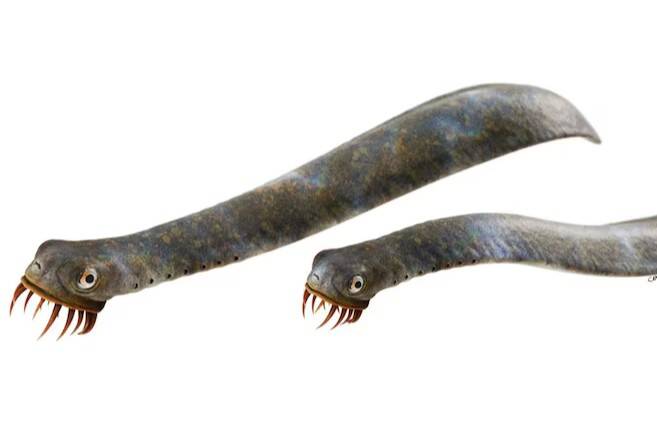
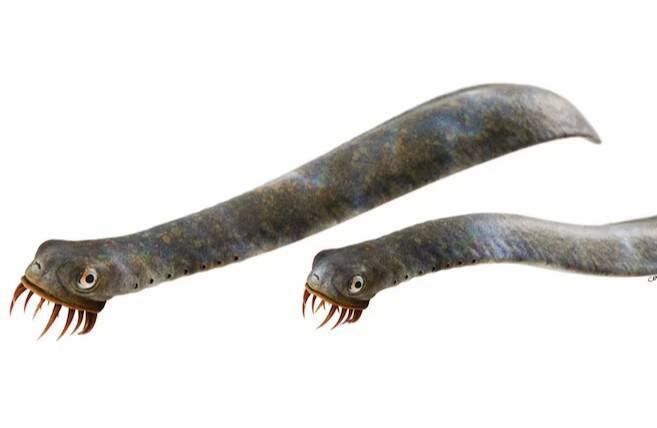
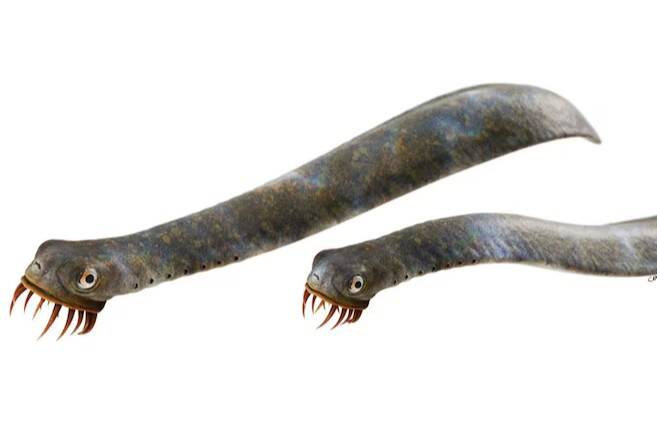
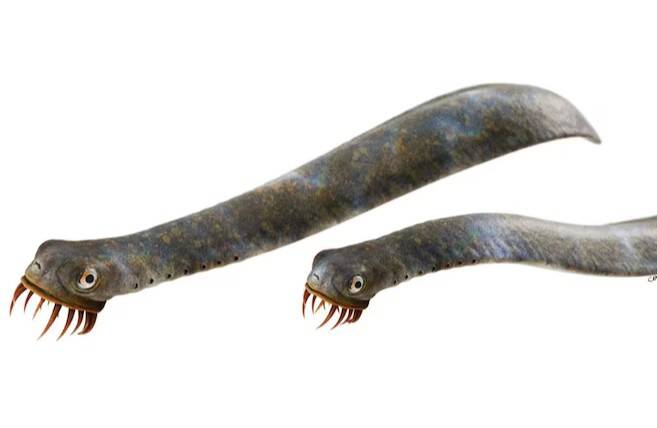
When we think of sharp teeth, we often imagine the fierce predators of the past, such as sharks and dinosaurs. However, new research has revealed that the sharpest teeth ever belonged to a tiny, jawless marine animal called conodonts. These ancient creatures, which lived over 500 million years ago, had microscopic tooth elements that were sharper than modern animal teeth and even steel blades.
Conodonts were small, eel-like animals that were abundant in the oceans during the Paleozoic and Triassic periods. They were thought to be one of the most primitive vertebrates, and their fossils have been found in rocks all over the world. Despite their small size, conodonts had a unique feature that set them apart from other ancient animals: their teeth.
The teeth of conodonts were not like those of modern animals. They were made up of tiny, needle-like elements that were embedded in the animal’s mouth. These elements were made of a hard, calcium-based material that was perfect for grasping and tearing food. But what made conodont teeth truly remarkable was their sharpness.
According to a recent study, the teeth of conodonts were the sharpest ever found in the animal kingdom. The researchers used advanced techniques, such as scanning electron microscopy and nanoindentation, to analyze the microscopic structure of conodont teeth. They found that the teeth had a unique, serrated shape that allowed them to cut through food with ease.
But what’s even more impressive is that the teeth of conodonts were sharper than modern animal teeth. The researchers compared the sharpness of conodont teeth to that of great white sharks, which are known for their razor-sharp teeth. They found that conodont teeth were up to 10 times sharper than those of great whites.
But that’s not all – conodont teeth were even sharper than steel blades. The researchers compared the sharpness of conodont teeth to that of surgical steel, which is known for its sharpness and durability. They found that conodont teeth were up to 5 times sharper than surgical steel.
So, how did conodonts manage to develop such sharp teeth? The researchers believe that it’s due to the unique structure of their teeth. Conodont teeth were made up of tiny, interlocking elements that were embedded in the animal’s mouth. This structure allowed the teeth to be incredibly sharp, while also being resistant to wear and tear.
The discovery of conodont teeth has significant implications for our understanding of the evolution of animal teeth. It shows that even the most primitive animals were capable of developing complex, highly specialized teeth that were adapted to their environment.
The study also highlights the importance of fossil analysis in understanding the evolution of life on Earth. By studying the fossils of ancient animals, we can gain insights into the biology and ecology of these creatures, and how they adapted to their environments.
In conclusion, the discovery of conodont teeth is a significant finding that challenges our assumptions about the evolution of animal teeth. It shows that even the most primitive animals were capable of developing highly specialized, sharp teeth that were adapted to their environment. The study of conodont teeth is a reminder of the importance of fossil analysis in understanding the evolution of life on Earth, and the many secrets that still remain to be uncovered.
About the Author