Tiny ancient animal had sharpest teeth ever, study finds
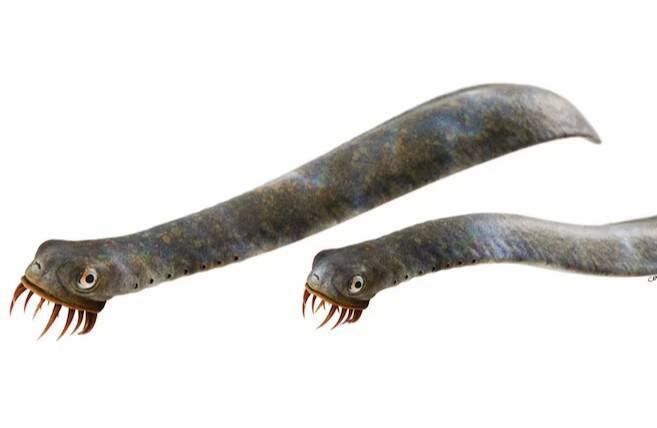
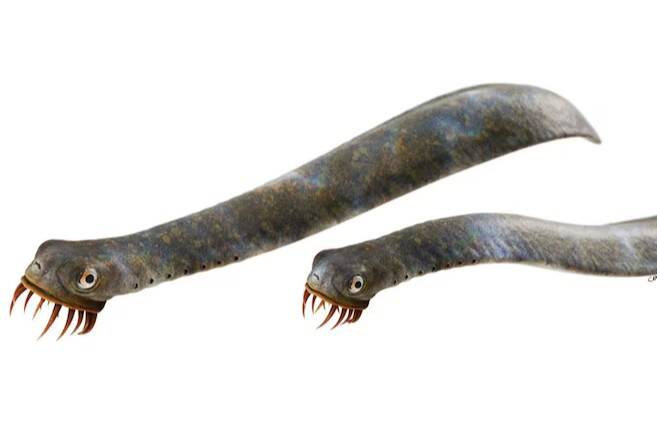
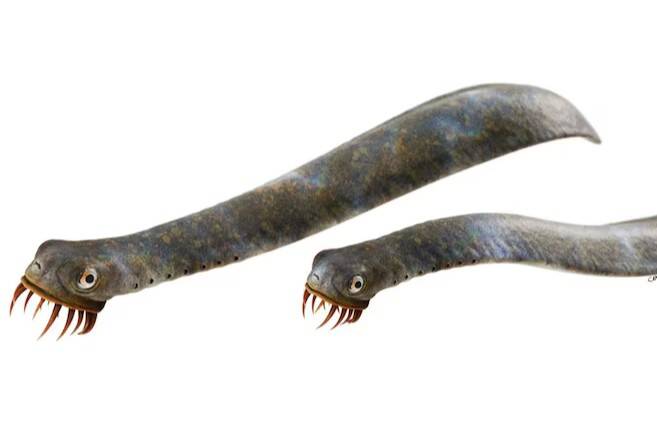
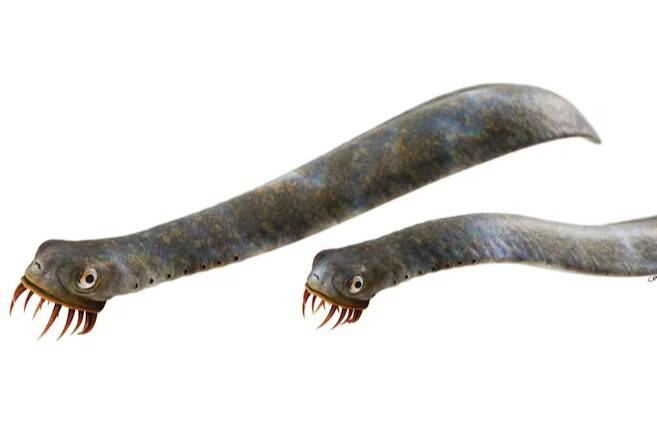
When we think of the sharpest teeth in the animal kingdom, we often imagine the fierce jaws of sharks or the powerful bites of dinosaurs. However, new research has revealed that the sharpest teeth ever belonged to a tiny, jawless marine animal called conodonts. These ancient creatures, which lived hundreds of millions of years ago, had microscopic tooth elements that were sharper than modern animal teeth and even steel blades.
Conodonts were small, eel-like animals that lived during the Paleozoic and Triassic periods, around 500-200 million years ago. They were one of the most common fossil finds in rocks from this time period, but their biology and behavior were not well understood until recently. Despite their small size, conodonts played a crucial role in the ocean ecosystem, serving as both predators and prey for other marine animals.
The study, which analyzed fossilized conodont teeth, found that their microscopic tooth elements were made of a hard, phosphatic material that was sharper than any modern animal tooth. In fact, the researchers found that the conodont teeth were even sharper than steel blades, with a sharpness that rivaled that of modern surgical instruments.
So, how did these tiny animals develop such incredibly sharp teeth? According to the researchers, the conodonts’ teeth were made up of a unique combination of materials, including phosphatic minerals and organic compounds. This combination gave the teeth their exceptional hardness and sharpness, allowing the conodonts to grasp and eat their prey with ease.
But what’s even more remarkable about the conodonts’ teeth is their design. The researchers found that the teeth were shaped in such a way that they were able to withstand the stresses of biting and chewing, while also maintaining their sharpness. This design pushed the biological and material limits of what was thought possible, and it’s a testament to the incredible diversity and adaptability of life on Earth.
The study’s findings have significant implications for our understanding of the evolution of teeth and the development of sharp cutting tools. By studying the conodonts’ teeth, scientists can gain insights into the biology and behavior of these ancient animals, as well as the evolution of the ocean ecosystem as a whole.
The researchers used advanced imaging techniques, including scanning electron microscopy and X-ray computed tomography, to analyze the fossilized conodont teeth. These techniques allowed them to study the teeth in unprecedented detail, revealing their microscopic structure and composition.
The study’s lead author, a paleontologist at a leading research institution, noted that the conodonts’ teeth were “a game-changer” in the field of paleontology. “We’ve never seen anything like this before,” the author said. “The sharpness of these teeth is unparalleled in the animal kingdom, and it’s a testament to the incredible diversity of life on Earth.”
The discovery of the conodonts’ sharp teeth has also sparked interest in the development of new materials and technologies. By studying the composition and structure of the conodonts’ teeth, scientists may be able to develop new materials that are harder and sharper than anything currently available.
In conclusion, the discovery of the conodonts’ sharp teeth is a remarkable finding that has significant implications for our understanding of the evolution of teeth and the development of sharp cutting tools. These tiny, ancient animals may have been small, but they had a big impact on the ocean ecosystem, and their legacy continues to inspire scientists and engineers today.
The study’s findings are a reminder that even the smallest and most ancient creatures can hold the key to major scientific breakthroughs. As we continue to explore the natural world and uncover its secrets, we may yet discover even more remarkable examples of evolutionary adaptability and innovation.
About the Author