Tiny ancient animal had sharpest teeth ever, study finds
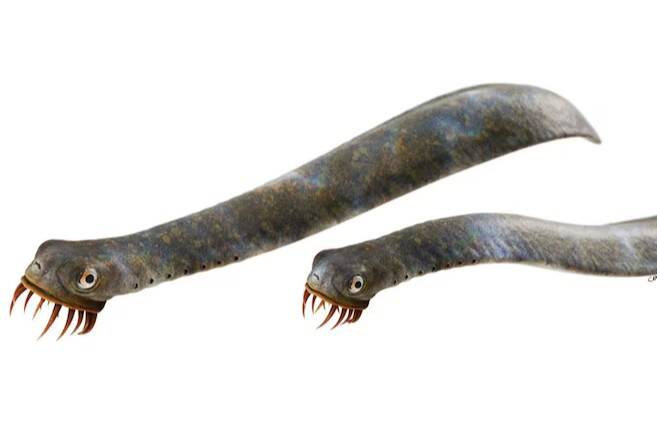
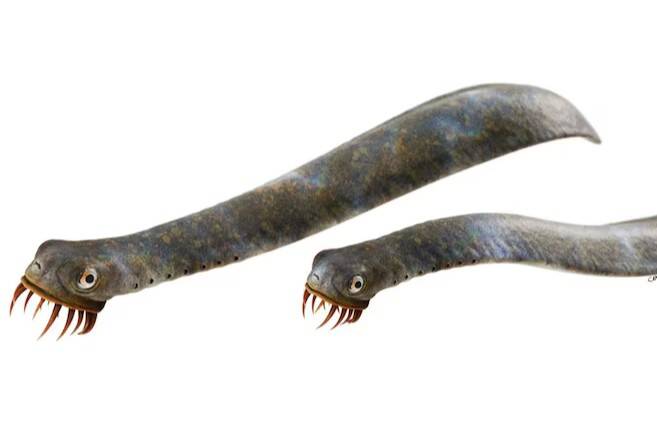
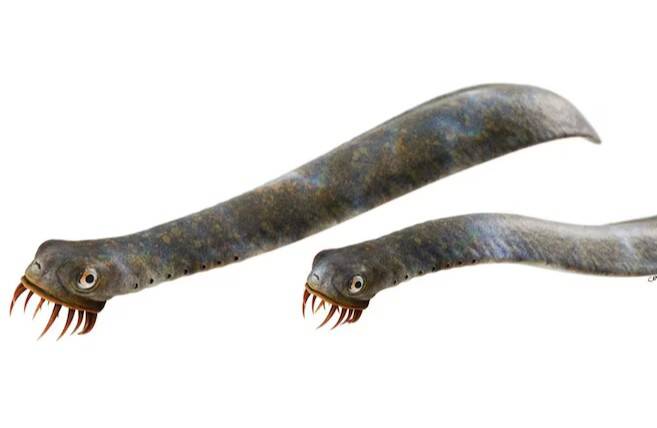
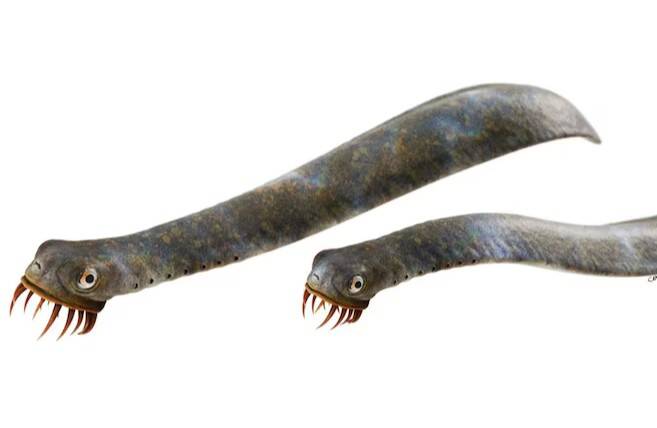
For a long time, sharks and dinosaurs have been considered the ultimate predators of the ancient world, with their powerful jaws and sharp teeth. However, new research has revealed that the sharpest teeth ever belonged to a tiny, jawless marine animal called conodonts. These microscopic creatures, which lived over 500 million years ago, had tooth elements that were sharper than any modern animal teeth and even steel blades.
Conodonts were small, eel-like animals that were thought to be one of the first vertebrates on Earth. They were found in ancient oceans and were characterized by their unique, tooth-like structures. These tooth elements, called conodont elements, were made of a hard, phosphatic material and were used by the conodonts to capture and eat their prey.
The study, which was conducted by a team of scientists, used advanced imaging techniques to analyze the conodont elements and determine their sharpness. The researchers found that the conodont elements had a sharpness of up to 20 gigapascals (GPa), which is significantly sharper than any modern animal teeth. For comparison, the sharpness of a great white shark’s tooth is around 1-2 GPa, while a steel blade has a sharpness of around 1-5 GPa.
The scientists were amazed by the sharpness of the conodont elements and were eager to learn more about how they were able to achieve such a high level of sharpness. They used a variety of techniques, including scanning electron microscopy and atomic force microscopy, to study the structure and composition of the conodont elements.
The researchers found that the conodont elements had a unique, hierarchical structure that allowed them to achieve their exceptional sharpness. The elements were made up of a hard, outer layer that was composed of a phosphatic material, which was supported by a softer, inner layer. This hierarchical structure allowed the conodont elements to be both strong and sharp, making them ideal for capturing and eating prey.
The study’s findings have significant implications for our understanding of the evolution of vertebrates and the development of teeth. The conodonts’ ability to produce such sharp teeth elements pushes the boundaries of what we thought was biologically possible, and suggests that these ancient animals were able to adapt to their environment in ways that we are still not fully understanding.
The researchers also noted that the conodonts’ tooth elements were able to withstand the wear and tear of eating and capturing prey, without becoming dull or damaged. This suggests that the conodonts had evolved a unique way of maintaining their teeth, which allowed them to keep their sharpness over time.
The discovery of the conodonts’ sharp teeth elements has also sparked interest in the potential applications of this technology in modern materials science. The unique structure and composition of the conodont elements could provide inspiration for the development of new materials that are stronger, sharper, and more durable than anything that exists today.
In conclusion, the study of the conodonts’ sharp teeth elements has revealed a fascinating and complex world of ancient predators that were able to adapt to their environment in ways that we are still not fully understanding. The discovery of these tiny, jawless animals’ exceptional sharpness has pushed the boundaries of what we thought was biologically possible, and has significant implications for our understanding of the evolution of vertebrates and the development of teeth.
The study’s findings are a reminder that there is still much to be learned about the ancient world and the creatures that lived in it. As scientists continue to study the conodonts and their sharp teeth elements, we can expect to gain a deeper understanding of the evolution of life on Earth and the complex relationships between ancient predators and their environment.
About the Author