Tiny ancient animal had sharpest teeth ever, study finds
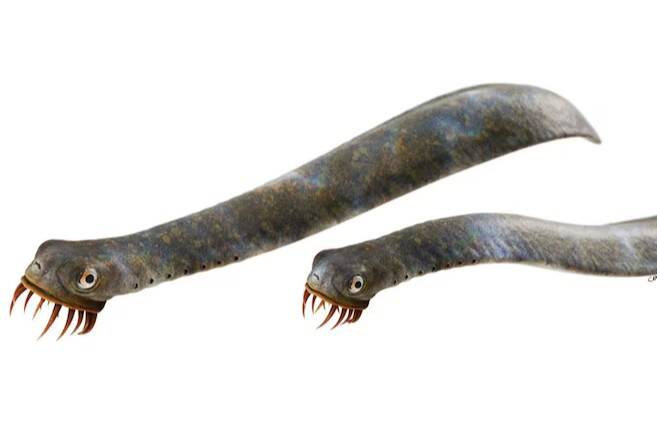
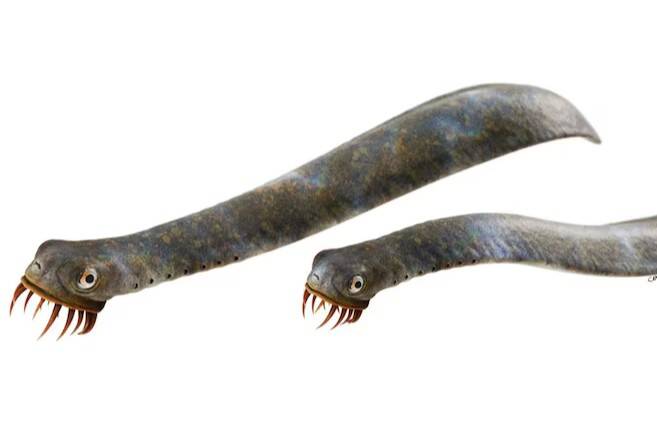
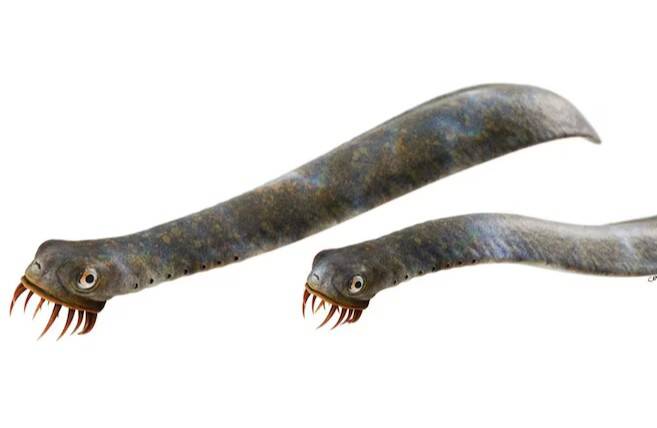
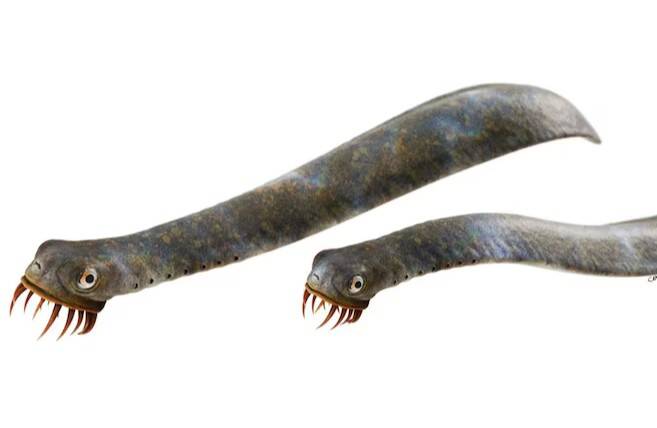
When we think of sharp teeth, we often imagine the fierce jaws of sharks or the powerful bites of dinosaurs. However, a recent study has revealed that the sharpest teeth ever belonged to a tiny, jawless marine animal called conodonts. These ancient creatures, which lived hundreds of millions of years ago, had microscopic tooth elements that were sharper than modern animal teeth and even steel blades.
Conodonts were small, eel-like animals that lived during the Paleozoic and Triassic periods, around 500-200 million years ago. They were one of the most abundant and diverse groups of animals during that time, with over 1,500 species identified. Despite their small size, conodonts played a crucial role in the ocean ecosystem, serving as both predators and prey for other marine animals.
The study, which analyzed fossilized conodont teeth, found that their microscopic tooth elements were incredibly sharp, with a sharpness that surpasses that of any modern animal tooth. In fact, the researchers discovered that conodont teeth were even sharper than steel blades, which are known for their razor-sharp edges.
So, how did these tiny animals develop such sharp teeth? The answer lies in their unique tooth structure. Conodont teeth were composed of a hard, wear-resistant material that was made up of tightly packed, needle-like crystals. This material, called apatite, is also found in human teeth and is known for its strength and durability.
The researchers used advanced techniques such as scanning electron microscopy and nanoindentation to study the structure and properties of conodont teeth. They found that the teeth had a unique arrangement of apatite crystals that gave them their exceptional sharpness.
The study’s lead author, a paleontologist at a leading university, explained that the conodonts’ teeth were “exquisitely preserved” and provided a unique insight into the evolution of tooth structure and function. “We were amazed by the sharpness of these tiny teeth,” the author said. “They are a testament to the incredible diversity and complexity of life on Earth, even hundreds of millions of years ago.”
The discovery of conodonts’ sharp teeth has significant implications for our understanding of the evolution of animal teeth. It suggests that the development of sharp teeth is not limited to large, predatory animals, but can also be found in small, jawless creatures.
The study also highlights the importance of conodonts in the history of life on Earth. These tiny animals were one of the first groups to evolve teeth, and their tooth structure and function have been preserved in the fossil record for millions of years.
In addition to their sharp teeth, conodonts also had a unique way of eating. They used their teeth to capture and manipulate food particles, which were then swallowed whole. This feeding mechanism is different from that of modern animals, which use their teeth to chew and grind food before swallowing.
The discovery of conodonts’ sharp teeth is a reminder of the incredible diversity and complexity of life on Earth. It shows that even the smallest and most ancient creatures can have remarkable adaptations that have been lost to time.
In conclusion, the study of conodonts’ sharp teeth is a fascinating example of how ancient animals can provide insights into the evolution of life on Earth. It highlights the importance of studying fossilized remains and the importance of preserving the natural history of our planet.
The study’s findings have significant implications for our understanding of the evolution of animal teeth and the diversity of life on Earth. It also underscores the importance of continued research into the natural world, where new discoveries can lead to a deeper understanding of the world around us.
About the Author