Tiny ancient animal had sharpest teeth ever, study finds
For centuries, humans have been fascinated by the sharp teeth of predators like sharks and dinosaurs. These fearsome creatures have been the subject of numerous studies, with scientists marveling at the efficiency and deadliness of their dental structures. However, new research has revealed that the sharpest teeth ever belonged not to these iconic predators, but to a tiny, jawless marine animal called conodonts. The discovery, made through fossil analysis, has sent shockwaves through the scientific community, with experts hailing it as a major breakthrough in our understanding of ancient life forms.
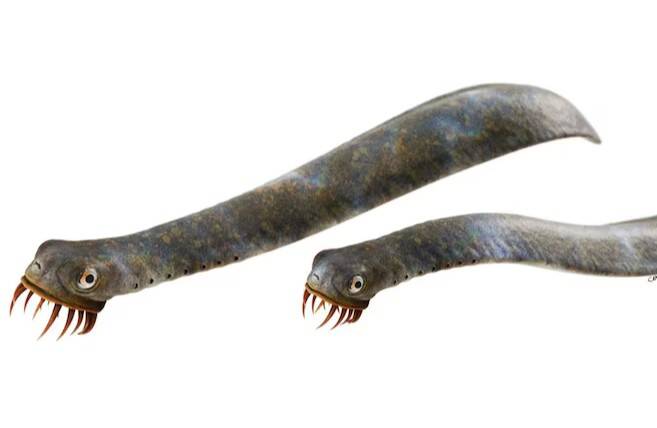
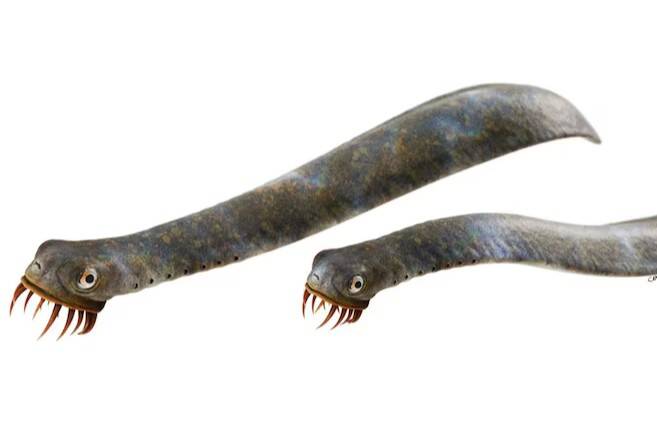
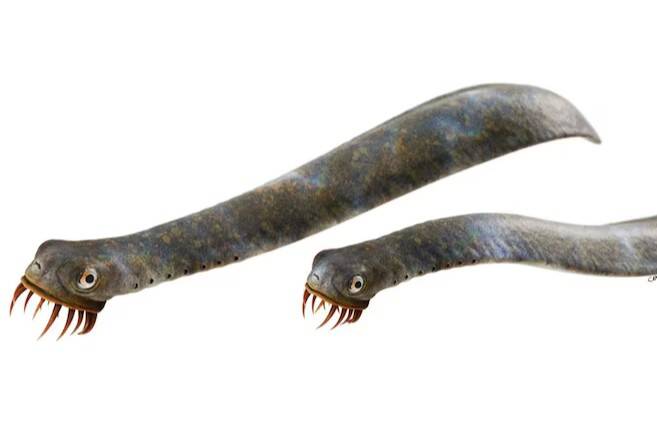
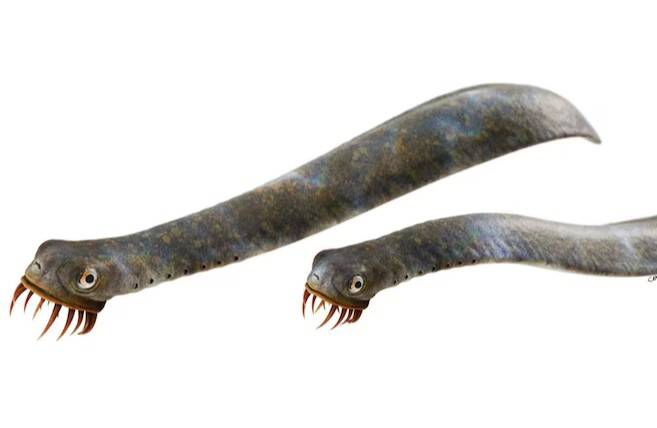
Conodonts, which lived during the Paleozoic and Triassic periods, were small, eel-like creatures that inhabited the oceans over 500 million years ago. Despite their tiny size, they were equipped with microscopic tooth elements that were sharper than any modern animal teeth, including those of sharks and dolphins. In fact, the study found that conodont teeth were even sharper than steel blades, with some specimens boasting edges that were a mere 1-2 nanometers thick. To put that into perspective, the average human hair is about 80,000 nanometers thick, making conodont teeth some of the sharpest objects in the natural world.
The research team, led by paleontologists from the University of Bristol, used advanced imaging techniques to analyze the fossilized remains of conodonts. By studying the microscopic structure of their teeth, the scientists were able to determine the exact shape and composition of the tooth elements. What they found was astonishing – the teeth were made of a hard, phosphatic material that was capable of withstanding immense pressures and stresses. This allowed conodonts to use their teeth to grasp and manipulate prey, as well as to defend themselves against predators.
But how did conodonts manage to develop such incredibly sharp teeth? According to the researchers, the answer lies in the unique design of their dental structures. Unlike modern animals, which have teeth that are rooted in the jawbone, conodonts had teeth that were embedded in a flexible, tooth-like structure called a “tooth row.” This allowed them to move their teeth independently, using them to capture and manipulate prey in a way that was not possible for other ancient animals.
The implications of this discovery are significant, as they challenge our current understanding of the evolution of dental structures in ancient animals. For example, scientists had long believed that the development of sharp teeth was a key factor in the success of predators like sharks and dinosaurs. However, the discovery of conodonts’ incredibly sharp teeth suggests that this may not have been the case. Instead, it is possible that the development of sharp teeth was a more widespread phenomenon, with many different types of animals evolving similar structures in response to their environments.
The study also has important implications for our understanding of the biology and ecology of ancient ecosystems. By analyzing the fossilized remains of conodonts and other animals, scientists can gain insights into the complex interactions that occurred between different species in the past. This can help us to better understand how ecosystems function and respond to changes over time, which is critical for predicting the impacts of human activities on modern ecosystems.
In addition to its scientific significance, the discovery of conodonts’ sharp teeth also has practical applications. For example, the unique structure and composition of their teeth could inspire the development of new materials and technologies, such as advanced cutting tools or medical implants. By studying the properties of conodont teeth, scientists may be able to create new materials that are stronger, lighter, and more durable than those currently available.
In conclusion, the discovery of conodonts’ incredibly sharp teeth is a major breakthrough in our understanding of ancient life forms. The study, which was made possible through advances in imaging and analytical techniques, has revealed a new level of complexity and sophistication in the biology of ancient animals. As scientists continue to explore the fossil record and uncover new secrets about the evolution of life on Earth, we can expect to learn even more about the fascinating creatures that lived in the distant past.
About the Author