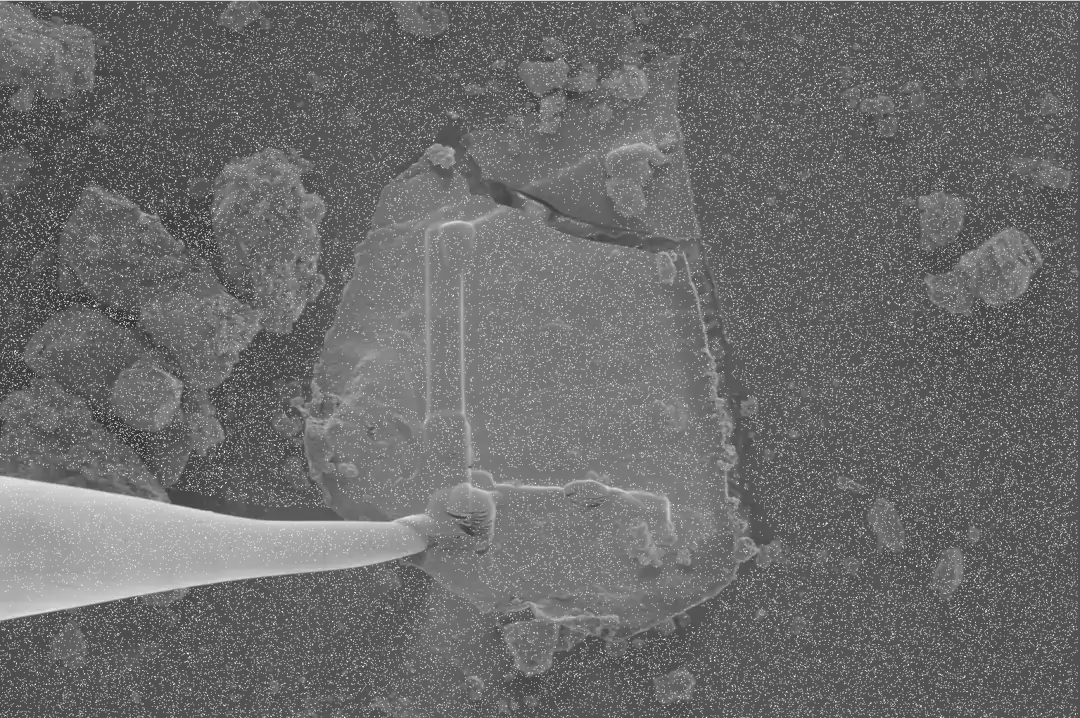
Sugars, ‘gum’, stardust found in Asteroid Bennu
In a groundbreaking discovery, NASA scientists have found life-essential sugars, a gum-like substance, and stardust in samples from Asteroid Bennu. This remarkable finding has significant implications for our understanding of the origins of life in the universe. The discovery was made possible by the analysis of samples collected by NASA’s OSIRIS-REx spacecraft, which spent two years orbiting the asteroid before returning to Earth with a treasure trove of extraterrestrial material.
The team of scientists, led by NASA researchers, found two types of sugars in the samples: ribose and glucose. Ribose is a five-carbon sugar that is a key component of RNA, a molecule essential for life. Glucose, on the other hand, is a six-carbon sugar that is a fundamental energy source for living organisms. What’s remarkable about this discovery is that this is the first time that six-carbon glucose has been found in an extraterrestrial sample. The presence of these sugars in the asteroid samples suggests that the building blocks of life are widespread in the universe and may have been delivered to Earth on comets and asteroids.
In addition to the sugars, the team also found a gum-like substance in the samples. This material is thought to have formed tangled molecular chains, likely emerging early in the asteroid’s history. The exact composition and origin of this substance are still unknown, but it is believed to be a complex organic molecule that may have played a role in the formation of the asteroid.
Perhaps the most astonishing aspect of the discovery is the presence of stardust in the samples. The team found that the asteroid samples contained six times the amount of supernova dust than any other studied astromaterial. This stardust is thought to have originated from distant stars that exploded as supernovae, scattering their elements across the universe. The fact that this stardust is present in the asteroid samples suggests that the asteroid itself is a relic from the early days of the solar system, formed from material that has been circulating through the cosmos for billions of years.
The discovery of these life-essential sugars, the gum-like substance, and stardust in Asteroid Bennu has significant implications for our understanding of the origins of life in the universe. It suggests that the building blocks of life are widespread and may have been delivered to Earth on comets and asteroids. This idea is often referred to as “pan-spermia,” the theory that life on Earth originated from elsewhere in the universe.
The discovery also highlights the importance of asteroid research and the potential for these small bodies to hold secrets about the early solar system. Asteroids like Bennu are thought to be remnants from the early days of the solar system, formed from material that has been circulating through the cosmos for billions of years. By studying these asteroids, scientists can gain insights into the formation and evolution of the solar system, as well as the potential for life beyond Earth.
The OSIRIS-REx mission, which collected the samples from Asteroid Bennu, is a prime example of the importance of asteroid research. The mission was designed to study the asteroid’s composition, shape, and size, as well as to collect samples that could provide insights into the asteroid’s history and the early solar system. The success of the mission has paved the way for future asteroid research and has provided scientists with a unique opportunity to study the building blocks of life in the universe.
In conclusion, the discovery of life-essential sugars, a gum-like substance, and stardust in Asteroid Bennu is a groundbreaking finding that has significant implications for our understanding of the origins of life in the universe. The presence of these molecules in the asteroid samples suggests that the building blocks of life are widespread and may have been delivered to Earth on comets and asteroids. As scientists continue to study the samples and learn more about the asteroid’s history, we may uncover even more secrets about the early solar system and the potential for life beyond Earth.
About the Author