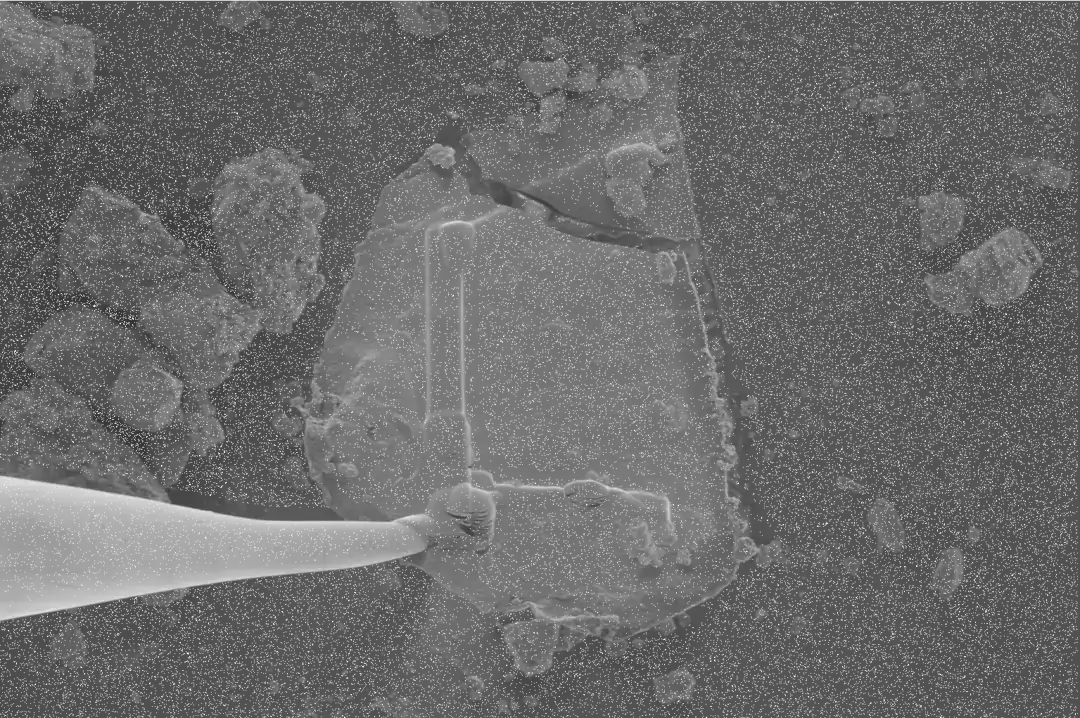
Sugars, ‘gum’, stardust found in Asteroid Bennu
In a groundbreaking discovery, NASA scientists have found life-essential sugars, a gum-like substance, and stardust in samples collected from Asteroid Bennu. The findings, which include the presence of ribose and, for the first time in an extraterrestrial sample, six-carbon glucose, have significant implications for our understanding of the origins of life in the universe.
The discovery was made possible by the OSIRIS-REx (Origins, Spectral Interpretation, Resource Identification, Security-Regolith Explorer) spacecraft, which spent two years orbiting Asteroid Bennu and collecting samples from its surface. The samples, which were returned to Earth in 2020, have been undergoing extensive analysis by NASA scientists, who have made several remarkable discoveries.
One of the most significant findings is the presence of sugars, including ribose and glucose, which are essential components of life on Earth. Ribose, a five-carbon sugar, is a key component of RNA (ribonucleic acid), which is responsible for carrying genetic information in living organisms. Glucose, a six-carbon sugar, is a primary source of energy for living cells. The discovery of these sugars in Asteroid Bennu samples suggests that the building blocks of life are widespread in the universe and can be found in unexpected places.
In addition to sugars, the samples also contain a gum-like substance that is composed of tangled molecular chains. This substance, which is similar to the gum-like material found in some types of meteorites, is thought to have formed early in the asteroid’s history, possibly as a result of chemical reactions between water and organic compounds. The presence of this substance in Asteroid Bennu samples provides clues about the asteroid’s history and the conditions under which it formed.
Another significant finding is the presence of stardust in the samples. Stardust, which is composed of tiny particles of dust that are formed in the explosions of stars, is a key component of many asteroids and comets. The stardust found in Asteroid Bennu samples is particularly significant, as it contains six times the amount of supernova dust than any other studied astromaterial. This suggests that Asteroid Bennu is a particularly primitive asteroid that has preserved a record of the early solar system.
The discovery of sugars, gum-like substances, and stardust in Asteroid Bennu samples has significant implications for our understanding of the origins of life in the universe. The presence of these substances in an extraterrestrial sample suggests that the building blocks of life are widespread in the universe and can be found in unexpected places. This discovery also provides clues about the history of the solar system and the conditions under which life emerged on Earth.
The study of Asteroid Bennu and its samples is an ongoing process, and NASA scientists are continuing to analyze the data and make new discoveries. As our understanding of the asteroid and its composition grows, we may uncover even more secrets about the origins of life in the universe.
In conclusion, the discovery of sugars, gum-like substances, and stardust in Asteroid Bennu samples is a significant breakthrough in our understanding of the universe and the origins of life. The presence of these substances in an extraterrestrial sample suggests that the building blocks of life are widespread in the universe and can be found in unexpected places. As we continue to explore the universe and study the composition of asteroids and comets, we may uncover even more secrets about the origins of life and the history of our solar system.
About the Author