Sugars, ‘gum’, stardust found in Asteroid Bennu
The discovery of life beyond Earth has been a longstanding quest for scientists, with many believing that the key to unlocking the secrets of the universe lies in the composition of celestial bodies. In a groundbreaking finding, NASA scientists have made a remarkable discovery in the Asteroid Bennu, a small, near-Earth asteroid that has been the subject of intense study in recent years. The team has found life-essential sugars, a gum-like substance, and stardust in samples collected from the asteroid, providing fresh insights into the origins of life in our solar system.
The discovery was made possible by the OSIRIS-REx spacecraft, which collected samples from Bennu in 2020 and returned them to Earth in 2023. The samples were then analyzed by a team of scientists, who made the remarkable finding of ribose and, for the first time in an extraterrestrial sample, six-carbon glucose. These sugars are essential components of life, playing a critical role in the structure and function of living organisms. The discovery of these sugars in an asteroid suggests that the raw materials for life are widespread in the universe, and that the emergence of life on Earth may not have been a unique event.
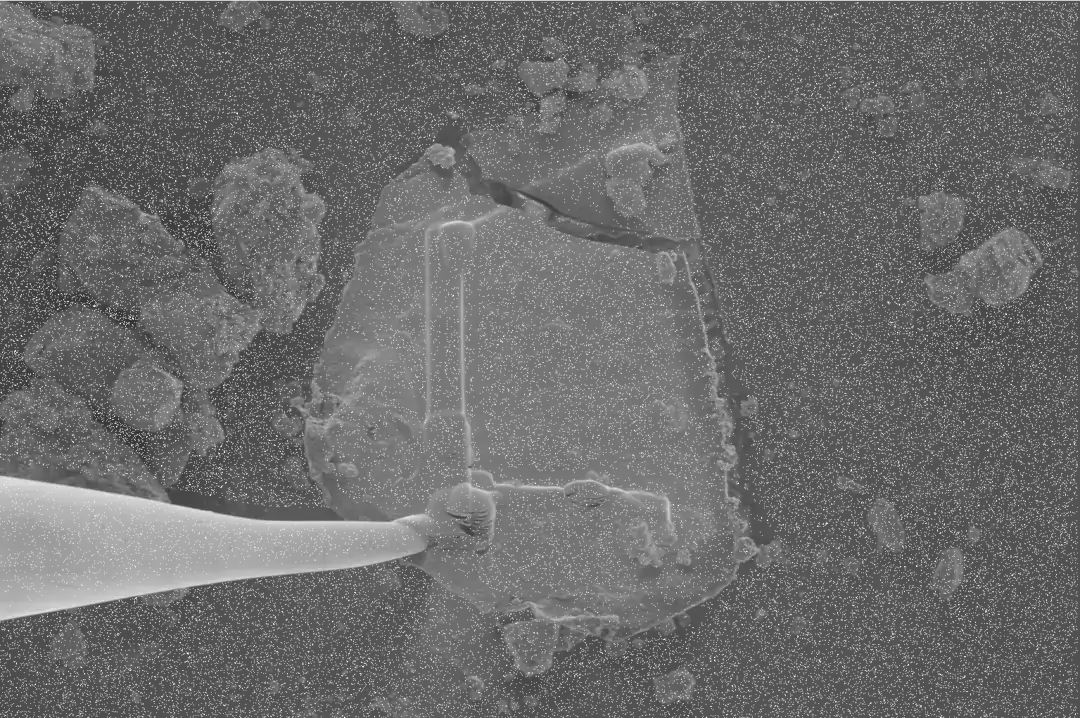
In addition to the sugars, the team also found a gum-like substance in the samples, which formed tangled molecular chains. This substance is believed to have emerged early in the asteroid’s history, and is thought to have played a role in the formation of the asteroid’s complex organic molecules. The exact nature and origin of this substance are still unclear, but its discovery provides further evidence of the complex chemistry that occurred in the early solar system.
One of the most striking aspects of the discovery is the presence of stardust in the samples. The team found that the samples contained six times the amount of supernova dust than any other studied astromaterial. This suggests that the asteroid is a window into the early history of the solar system, and that it has preserved a record of the explosive events that shaped the universe. The stardust found in the samples is thought to have originated from distant stars, and its presence provides a glimpse into the cosmic processes that have shaped the solar system over billions of years.
The discovery of life-essential sugars, a gum-like substance, and stardust in Asteroid Bennu has significant implications for our understanding of the origins of life in the universe. It suggests that the raw materials for life are widespread, and that the emergence of life on Earth may have been the result of a complex interplay of chemical and physical processes. The discovery also highlights the importance of continued exploration and study of celestial bodies, which can provide a window into the early history of the solar system and the universe.
The study of Asteroid Bennu is part of a larger effort to understand the composition and evolution of near-Earth asteroids. These asteroids are thought to be the remains of the early solar system, and their study can provide insights into the processes that shaped the planets and the emergence of life. The discovery of life-essential sugars, a gum-like substance, and stardust in Bennu is a significant step forward in this effort, and highlights the importance of continued exploration and study of these enigmatic objects.
In conclusion, the discovery of life-essential sugars, a gum-like substance, and stardust in Asteroid Bennu is a groundbreaking finding that has significant implications for our understanding of the origins of life in the universe. The discovery highlights the importance of continued exploration and study of celestial bodies, and provides fresh insights into the complex chemistry and physics that have shaped the solar system over billions of years. As scientists continue to study the samples collected from Bennu, it is likely that we will learn even more about the early history of the solar system and the emergence of life on Earth.
About the Author