Sugars, ‘gum’, stardust found in Asteroid Bennu
In a groundbreaking discovery, NASA scientists have found life-essential sugars, a gum-like substance, and stardust in samples collected from Asteroid Bennu. This remarkable finding has shed new light on the origins of our solar system and the potential for life beyond Earth. The discovery was made possible by the OSIRIS-REx spacecraft, which returned to Earth with samples from the asteroid in 2020.
The samples were found to contain ribose and, for the first time in an extraterrestrial sample, six-carbon glucose. These sugars are essential for life and are the building blocks of RNA and DNA, the genetic material that contains the instructions for life. The presence of these sugars in the asteroid samples suggests that the raw materials for life were present in the early solar system and could have been delivered to Earth on comets or asteroids.
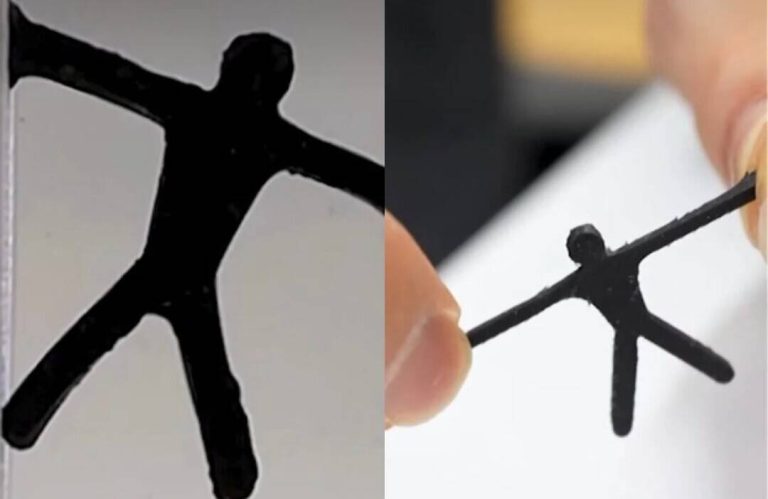
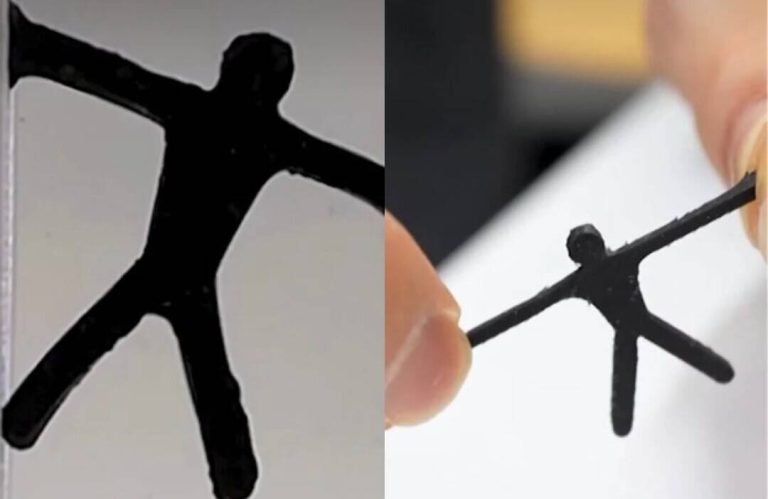
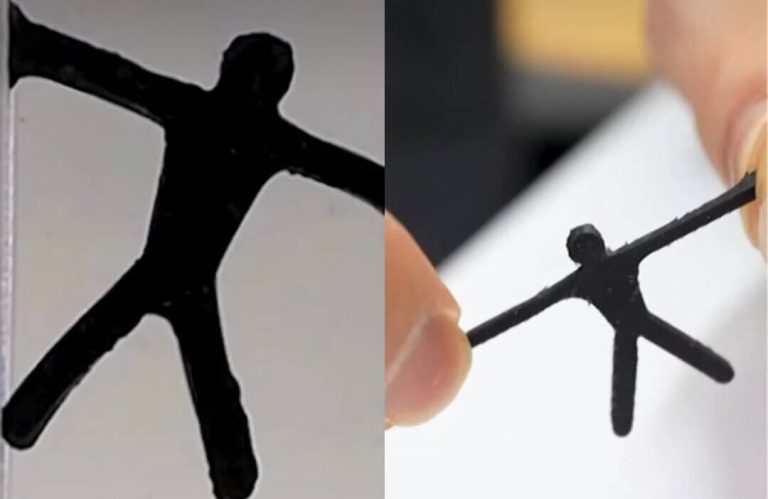
In addition to the sugars, the samples also contained a gum-like substance that formed tangled molecular chains. This material is thought to have emerged early in the asteroid’s history, possibly as a result of chemical reactions that occurred when the asteroid was still forming. The exact composition and origin of this substance are still unknown, but scientists believe it could provide valuable insights into the early history of the solar system.
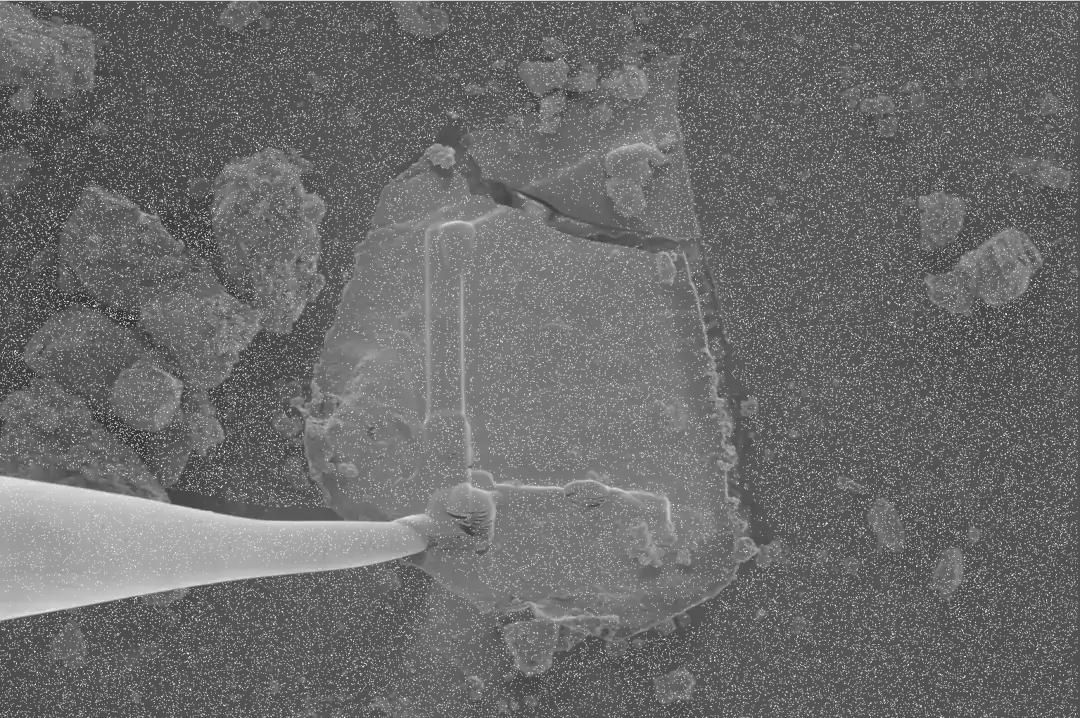
One of the most surprising discoveries was the presence of stardust in the samples. The asteroid was found to contain six times the amount of supernova dust than any other studied astromaterial. This stardust is thought to have originated from the explosion of nearby stars and was incorporated into the asteroid as it formed. The presence of stardust in the samples provides evidence that the asteroid is a remnant of the early solar system and has been preserved for billions of years.
The discovery of life-essential sugars, a gum-like substance, and stardust in Asteroid Bennu has significant implications for our understanding of the origins of life on Earth. It suggests that the raw materials for life were present in the early solar system and could have been delivered to Earth on comets or asteroids. This theory, known as panspermia, proposes that life on Earth originated from elsewhere in the universe and was transported to our planet on comets or meteorites.
The discovery also provides insight into the early history of the solar system. The presence of stardust in the samples suggests that the asteroid is a remnant of the early solar system and has been preserved for billions of years. This provides a unique window into the past, allowing scientists to study the conditions and processes that occurred in the early solar system.
The OSIRIS-REx mission was designed to study the asteroid Bennu and return samples to Earth for further analysis. The mission was launched in 2016 and arrived at the asteroid in 2018. Over the course of several months, the spacecraft collected samples from the asteroid’s surface using a robotic arm. The samples were then stored in a special container and returned to Earth in 2020.
The discovery of life-essential sugars, a gum-like substance, and stardust in Asteroid Bennu is a significant breakthrough in the field of astrobiology. It provides new evidence for the possibility of life beyond Earth and sheds light on the origins of our solar system. As scientists continue to study the samples and analyze the data, we can expect to learn even more about the history of our solar system and the potential for life elsewhere in the universe.
In conclusion, the discovery of life-essential sugars, a gum-like substance, and stardust in Asteroid Bennu is a groundbreaking finding that has significant implications for our understanding of the origins of life on Earth and the early history of the solar system. The presence of these substances in the asteroid samples provides evidence that the raw materials for life were present in the early solar system and could have been delivered to Earth on comets or asteroids. As we continue to explore the universe and study the conditions and processes that occur elsewhere, we may uncover even more evidence of the possibility of life beyond Earth.
About the Author