Sugars, ‘gum’, stardust found in Asteroid Bennu
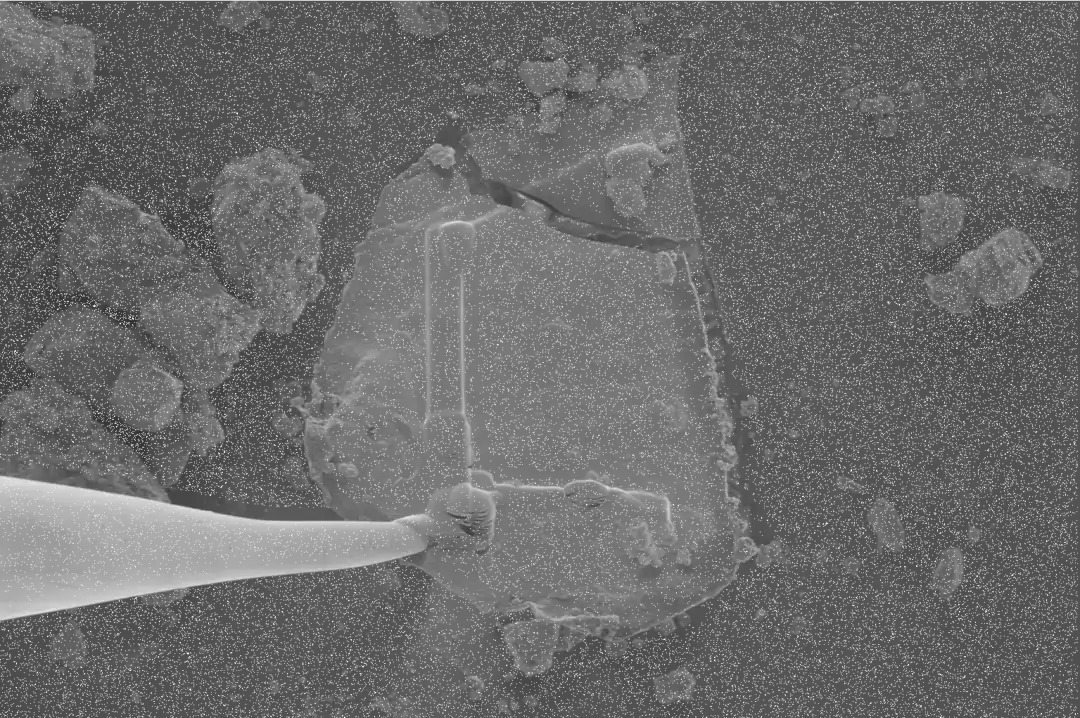
In a groundbreaking discovery, NASA scientists have found life-essential sugars, a gum-like substance, and stardust in samples collected from Asteroid Bennu. This extraordinary finding has significant implications for our understanding of the origins of life in our solar system and beyond. The discovery was made possible by the analysis of samples returned by the OSIRIS-REx spacecraft, which spent two years orbiting Bennu before returning to Earth with a treasure trove of asteroid material.
The team of scientists, led by NASA researchers, found two types of sugars in the Bennu samples: ribose and glucose. Ribose is a five-carbon sugar that is a fundamental component of RNA (ribonucleic acid), a molecule essential for life. Glucose, on the other hand, is a six-carbon sugar that is a primary source of energy for living organisms. What’s remarkable about this discovery is that glucose has never been found in an extraterrestrial sample before, making this a historic first.
But that’s not all – the samples also contained a gum-like substance that the scientists have dubbed “polymeric material.” This material is composed of tangled molecular chains that are similar to those found in some types of terrestrial gum. The researchers believe that this material likely emerged early in the asteroid’s history, possibly as a result of chemical reactions involving water and organic molecules.
Another fascinating aspect of the Bennu samples is the presence of stardust, which is material that originated from outside our solar system. The samples contain six times the amount of supernova dust than any other studied astromaterial, which is a remarkable finding. Supernovae are massive explosions of stars that occur when a star runs out of fuel and collapses in on itself. The dust that is ejected into space during these explosions can travel vast distances and eventually become incorporated into asteroids and other celestial bodies.
The discovery of sugars, gum, and stardust in Asteroid Bennu has significant implications for our understanding of the origins of life in our solar system. The presence of these molecules suggests that the raw materials for life were present in the early solar system, and that the conditions for life to emerge may have existed on other planets and asteroids. This finding also supports the idea that life on Earth may have originated from extraterrestrial sources, such as comets or asteroids that collided with our planet billions of years ago.
The OSIRIS-REx mission, which collected the Bennu samples, was launched in 2016 with the goal of returning a sample of asteroid material to Earth. The spacecraft spent two years orbiting Bennu, studying its composition, shape, and size. In October 2020, the spacecraft touched down on the asteroid’s surface and collected a sample of material, which was then returned to Earth in September 2023.
The analysis of the Bennu samples is an ongoing process, and scientists are continuing to study the material to learn more about the asteroid’s composition and history. The discovery of sugars, gum, and stardust is just the beginning, and it’s likely that many more exciting findings will emerge as the research continues.
In conclusion, the discovery of life-essential sugars, a gum-like substance, and stardust in Asteroid Bennu is a groundbreaking finding that has significant implications for our understanding of the origins of life in our solar system. The presence of these molecules in an extraterrestrial sample suggests that the raw materials for life were present in the early solar system, and that the conditions for life to emerge may have existed on other planets and asteroids. As scientists continue to study the Bennu samples, we can expect to learn more about the history and composition of our solar system, and perhaps even uncover the secrets of life itself.
About the Author