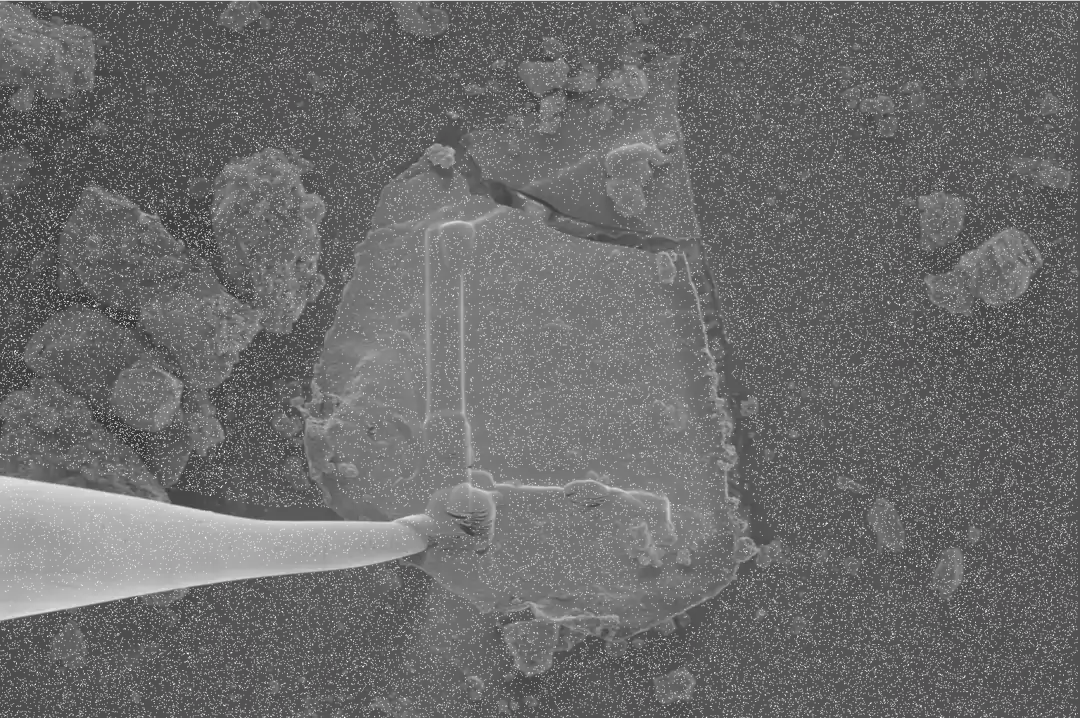
Sugars, ‘gum’, stardust found in Asteroid Bennu
In a groundbreaking discovery, NASA scientists have found evidence of life-essential sugars, a gum-like substance, and stardust in samples collected from Asteroid Bennu. The findings, which include the presence of ribose and six-carbon glucose, have significant implications for our understanding of the origins of life in the universe. The discovery was made possible by the OSIRIS-REx spacecraft, which returned samples from Bennu in 2020.
The analysis of the samples revealed the presence of ribose, a sugar that is essential for life, as well as six-carbon glucose, which is a common sugar found in many living organisms. The presence of these sugars in the asteroid samples suggests that the building blocks of life are widespread in the universe and may have been delivered to Earth on comets or meteorites. This discovery provides strong evidence for the theory that life on Earth originated from extraterrestrial sources.
In addition to the sugars, the scientists also found a gum-like substance in the samples. The substance, which is composed of tangled molecular chains, is thought to have formed early in the asteroid’s history. The exact nature and origin of this substance are still unknown, but it is believed to be a complex organic molecule that may have played a role in the formation of life on Earth.
The samples also contained a significant amount of stardust, which is dust that is created when stars explode as supernovae. The stardust found in the Bennu samples is thought to have originated from a nearby star that exploded millions of years ago. The presence of stardust in the samples provides evidence that the asteroid has been exposed to the interstellar medium, which is the material that fills the space between stars.
One of the most surprising aspects of the discovery is the amount of stardust found in the samples. The samples contained six times the amount of supernova dust than any other studied astromaterial, which suggests that the asteroid has a unique composition that is different from other asteroids and comets. The presence of stardust in the samples also provides evidence that the asteroid has been preserved for millions of years, providing a window into the early history of the solar system.
The discovery of sugars, gum-like substances, and stardust in the Bennu samples has significant implications for our understanding of the origins of life in the universe. The presence of these substances in the asteroid samples suggests that the building blocks of life are widespread in the universe and may have been delivered to Earth on comets or meteorites. The discovery also provides evidence that the asteroid has been preserved for millions of years, providing a window into the early history of the solar system.
The OSIRIS-REx spacecraft, which collected the samples from Bennu, is a NASA mission that was launched in 2016. The spacecraft spent two years in orbit around the asteroid, collecting data and samples that will help scientists understand the composition and history of the asteroid. The samples returned by the spacecraft are the first to be collected from an asteroid, and they provide a unique opportunity for scientists to study the composition and history of the asteroid.
The discovery of sugars, gum-like substances, and stardust in the Bennu samples is a significant breakthrough in our understanding of the origins of life in the universe. The presence of these substances in the asteroid samples suggests that the building blocks of life are widespread in the universe and may have been delivered to Earth on comets or meteorites. The discovery also provides evidence that the asteroid has been preserved for millions of years, providing a window into the early history of the solar system.
In conclusion, the discovery of sugars, gum-like substances, and stardust in the Bennu samples is a significant breakthrough in our understanding of the origins of life in the universe. The presence of these substances in the asteroid samples suggests that the building blocks of life are widespread in the universe and may have been delivered to Earth on comets or meteorites. The discovery also provides evidence that the asteroid has been preserved for millions of years, providing a window into the early history of the solar system.
The study of the Bennu samples will continue to provide new insights into the composition and history of the asteroid, and will help scientists to better understand the origins of life in the universe. The discovery of sugars, gum-like substances, and stardust in the Bennu samples is a significant step forward in our understanding of the universe, and will likely lead to new discoveries and a deeper understanding of the mysteries of the cosmos.
About the Author