Sugars, ‘gum’, stardust found in Asteroid Bennu
In a groundbreaking discovery, NASA scientists have found life-essential sugars, a gum-like substance, and stardust in samples collected from Asteroid Bennu. The findings, which include the presence of ribose and, for the first time in an extraterrestrial sample, six-carbon glucose, have significant implications for our understanding of the origins of life in the universe.
The samples, which were collected by NASA’s OSIRIS-REx spacecraft, revealed a complex mixture of organic molecules, including sugars, amino acids, and other carbon-based compounds. The presence of these molecules is significant, as they are the building blocks of life and are essential for the development of living organisms.
One of the most exciting discoveries is the presence of ribose, a five-carbon sugar that is a key component of RNA (ribonucleic acid), a molecule that plays a crucial role in the transmission of genetic information. The discovery of ribose in the Asteroid Bennu samples suggests that the raw materials for life were present in the early solar system and may have been delivered to Earth on comets or asteroids.
In addition to ribose, the scientists also found six-carbon glucose, a sugar that is common in living organisms, in the Asteroid Bennu samples. This is the first time that glucose has been found in an extraterrestrial sample, and it has significant implications for our understanding of the origins of life in the universe.
The Asteroid Bennu samples also contained a gum-like substance that formed tangled molecular chains. This material is thought to have emerged early in the asteroid’s history, when the asteroid was still forming and water was present on its surface. The gum-like substance is similar to materials found in meteorites and is thought to have played a role in the formation of the asteroid’s organic molecules.
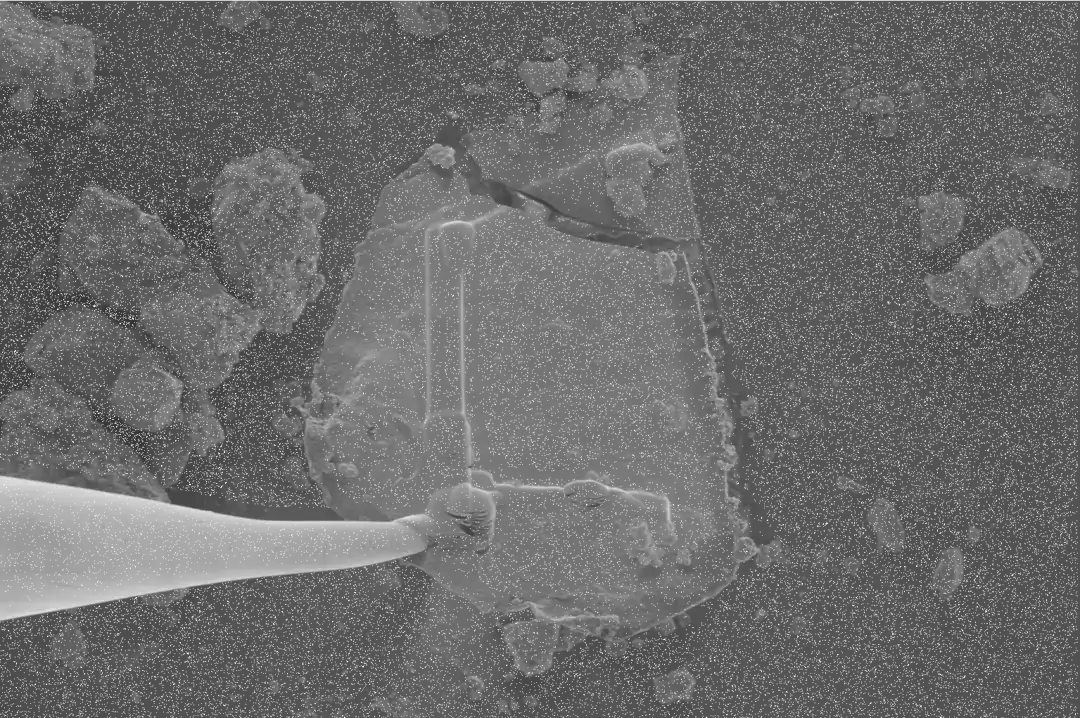
Another significant discovery is the presence of stardust in the Asteroid Bennu samples. The samples contained six times the amount of supernova dust than any other studied astromaterial, suggesting that the asteroid is a treasure trove of information about the early solar system. The stardust is thought to have originated from supernovae, massive stars that exploded at the end of their lives, and was incorporated into the asteroid when it formed.
The discovery of sugars, a gum-like substance, and stardust in Asteroid Bennu has significant implications for our understanding of the origins of life in the universe. The presence of these molecules suggests that the raw materials for life were present in the early solar system and may have been delivered to Earth on comets or asteroids. The discovery also highlights the importance of asteroids as a source of information about the early solar system and the origins of life.
The OSIRIS-REx spacecraft, which collected the samples, is a NASA mission that was launched in 2016 to study Asteroid Bennu. The spacecraft spent two years in orbit around the asteroid, collecting data and samples, before returning to Earth in 2023. The samples are now being studied by scientists around the world, who are using a range of techniques, including spectroscopy and chromatography, to analyze the molecules present in the samples.
The discovery of sugars, a gum-like substance, and stardust in Asteroid Bennu is a significant breakthrough in our understanding of the origins of life in the universe. The findings have significant implications for the search for life beyond Earth and highlight the importance of continued exploration and study of our solar system.
In conclusion, the discovery of life-essential sugars, a gum-like substance, and stardust in Asteroid Bennu is a major breakthrough in our understanding of the origins of life in the universe. The presence of these molecules suggests that the raw materials for life were present in the early solar system and may have been delivered to Earth on comets or asteroids. The discovery highlights the importance of continued exploration and study of our solar system and has significant implications for the search for life beyond Earth.
About the Author