Study reveals what losing weight in mid-life may do to one’s brain
As we age, our bodies undergo a series of changes that can affect our overall health and wellbeing. One of the most significant changes that occurs during mid-life is weight gain, which can increase the risk of developing chronic diseases such as diabetes, cardiovascular disease, and certain types of cancer. While losing weight is often recommended as a way to mitigate these risks, a new study has revealed that weight loss in mid-life may have an unexpected impact on the brain.
The study, which was conducted on middle-aged mice, found that weight loss caused increased inflammation in the hypothalamus, a part of the brain that plays a crucial role in regulating appetite and energy use. The inflammation lasted for weeks before gradually declining, sparking concerns about the potential impact on memory problems and neurodegenerative conditions such as Alzheimer’s.
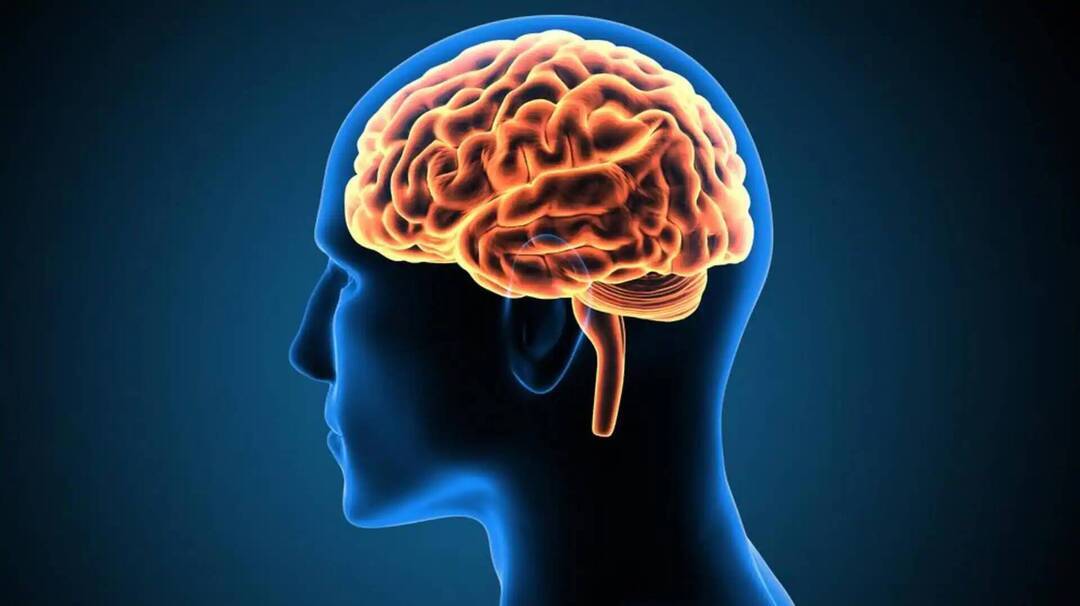
The hypothalamus is a small region at the base of the brain that is responsible for controlling a range of physiological processes, including hunger, thirst, body temperature, and hormone balance. It is also involved in the regulation of energy homeostasis, which is the balance between energy intake and energy expenditure. When we eat, the hypothalamus receives signals from the gut and other parts of the body, which helps to regulate our appetite and metabolism.
In the study, the researchers found that when the mice lost weight, the hypothalamus became inflamed, which disrupted its normal functioning. The inflammation was characterized by an increase in pro-inflammatory cytokines, which are signaling molecules that promote inflammation. The researchers also found that the inflammation was associated with changes in the expression of genes involved in energy metabolism and neuroinflammation.
The findings of the study are significant because they suggest that weight loss in mid-life may have unintended consequences for brain health. While losing weight is often seen as a positive outcome, the study highlights the importance of considering the potential impact on the brain. The researchers note that the inflammation in the hypothalamus may contribute to cognitive decline and increase the risk of neurodegenerative diseases such as Alzheimer’s.
Alzheimer’s disease is a progressive neurological disorder that affects millions of people worldwide. It is characterized by the accumulation of amyloid beta plaques and tau tangles in the brain, which leads to the death of brain cells and a decline in cognitive function. While the exact causes of Alzheimer’s are still not fully understood, research has shown that inflammation in the brain is a key factor in the development of the disease.
The study’s findings also have implications for our understanding of the relationship between weight loss and brain health. While weight loss is often recommended as a way to improve health outcomes, the study suggests that it may not always be beneficial for the brain. The researchers note that the inflammation in the hypothalamus may be a result of the body’s response to weight loss, which can be stressful and disrupt normal physiological processes.
In addition to the potential impact on Alzheimer’s disease, the study’s findings also have implications for our understanding of other neurodegenerative conditions. For example, research has shown that inflammation in the brain is also involved in the development of Parkinson’s disease, multiple sclerosis, and other conditions. The study’s findings suggest that weight loss in mid-life may increase the risk of these conditions, which highlights the importance of considering the potential impact on brain health.
The study’s findings also have implications for the development of new treatments for neurodegenerative diseases. For example, the researchers note that targeting the hypothalamus and reducing inflammation may be a potential therapeutic strategy for preventing or treating Alzheimer’s disease. The study’s findings also highlight the importance of considering the potential impact of weight loss on brain health, which may involve developing new therapies that take into account the complex relationship between weight loss and brain function.
In conclusion, the study’s findings highlight the complex relationship between weight loss and brain health. While losing weight is often seen as a positive outcome, the study suggests that it may have unintended consequences for brain health, particularly in mid-life. The inflammation in the hypothalamus may contribute to cognitive decline and increase the risk of neurodegenerative diseases such as Alzheimer’s. As we age, it is essential to consider the potential impact of weight loss on brain health and to develop new therapies that take into account the complex relationship between weight loss and brain function.
The study’s findings are a reminder that our brains are complex and dynamic organs that are influenced by a range of factors, including our diet, lifestyle, and overall health. As we strive to maintain a healthy weight and reduce our risk of chronic diseases, it is essential to consider the potential impact on our brain health. By understanding the relationship between weight loss and brain health, we can develop new strategies for promoting healthy aging and reducing the risk of neurodegenerative diseases.
News Source: https://pubmed.ncbi.nlm.nih.gov/41107567/
About the Author