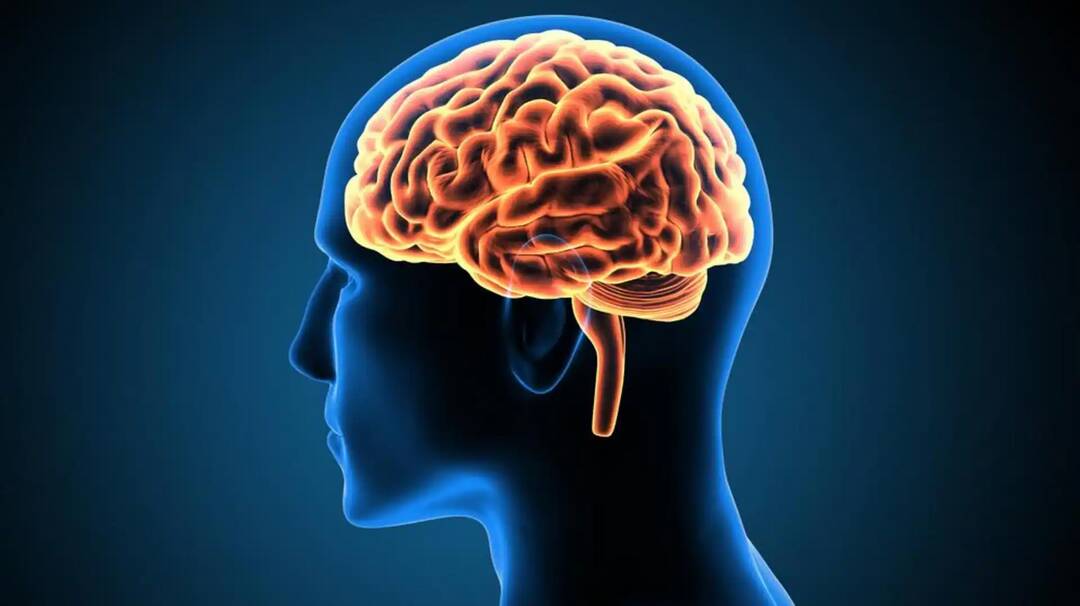
Study reveals what losing weight in mid-life may do to one’s brain
As we age, it’s common for our bodies to undergo a series of changes that can impact our overall health and wellbeing. One of the most significant changes that many people experience is weight gain, particularly in mid-life. While shedding a few pounds may seem like a straightforward solution to improve our health, a recent study has revealed that weight loss in middle-aged individuals may have an unexpected impact on the brain.
The study, which was conducted on mice, found that weight loss in mid-life caused increased inflammation in the hypothalamus, a part of the brain that plays a crucial role in regulating appetite and energy use. The inflammation persisted for weeks before gradually declining, sparking concerns about potential long-term effects on brain health, including memory problems and neurodegenerative conditions such as Alzheimer’s.
To understand the implications of this study, it’s essential to delve deeper into the role of the hypothalamus and how it’s affected by weight loss. The hypothalamus is a small region in the brain that acts as the primary regulator of hunger and satiety. It receives signals from the body about energy levels, nutrient availability, and other factors, using this information to adjust appetite and metabolism accordingly. When we lose weight, our hypothalamus goes into overdrive, trying to compensate for the perceived energy deficit by increasing hunger and reducing metabolism.
The study found that this compensatory response is accompanied by increased inflammation in the hypothalamus, which can have far-reaching consequences for brain health. Inflammation is a natural response to injury or infection, but chronic inflammation can lead to tissue damage and disrupt normal brain function. In the context of the hypothalamus, inflammation can impair its ability to regulate appetite and energy use, potentially leading to changes in behavior, such as overeating or decreased physical activity.
The researchers behind the study used a mouse model to investigate the effects of weight loss on the hypothalamus. They found that middle-aged mice that underwent caloric restriction, a common method of inducing weight loss, experienced significant increases in hypothalamic inflammation. This inflammation was characterized by the activation of immune cells and the production of pro-inflammatory cytokines, which are molecules that promote inflammation.
The study’s findings have significant implications for human health, particularly for individuals who are trying to lose weight in mid-life. While weight loss is often touted as a panacea for improving health, the study suggests that it may have unintended consequences for brain health. The increased inflammation in the hypothalamus could potentially contribute to cognitive decline, memory problems, and even neurodegenerative diseases such as Alzheimer’s.
Alzheimer’s disease is a progressive neurological disorder that is characterized by the accumulation of amyloid beta plaques and tau tangles in the brain. These abnormalities lead to the death of brain cells and a decline in cognitive function, ultimately resulting in dementia. While the exact causes of Alzheimer’s are still not fully understood, research has shown that inflammation plays a critical role in the development and progression of the disease.
The study’s findings also raise questions about the optimal approach to weight loss, particularly in mid-life. While caloric restriction is often recommended as a means of achieving weight loss, the study suggests that this approach may not be suitable for everyone, particularly those who are at risk of cognitive decline or neurodegenerative diseases. Instead, a more balanced approach to weight loss, one that emphasizes sustainable lifestyle changes rather than drastic caloric restriction, may be more effective in the long term.
In conclusion, the study’s findings highlight the complex relationship between weight loss, inflammation, and brain health. While shedding a few pounds may seem like a straightforward solution to improve our health, the study reveals that weight loss in mid-life may have unintended consequences for the brain. As we age, it’s essential to prioritize brain health, and this includes adopting a balanced approach to weight loss that minimizes inflammation and promotes overall wellbeing.
For those who are trying to lose weight in mid-life, the study’s findings should serve as a reminder to approach weight loss with caution. Rather than relying on drastic caloric restriction, individuals should focus on making sustainable lifestyle changes, such as increasing physical activity, eating a balanced diet, and getting enough sleep. By taking a holistic approach to weight loss, individuals can minimize the risk of inflammation and promote overall brain health.
News Source: https://pubmed.ncbi.nlm.nih.gov/41107567/
About the Author