Study reveals what losing weight in mid-life may do to one’s brain
As we age, maintaining a healthy weight becomes increasingly important for our overall well-being. Excess weight, particularly around the midsection, has been linked to a range of health problems, including diabetes, heart disease, and certain types of cancer. However, a new study has revealed that losing weight in mid-life may have an unexpected consequence on the brain, sparking concerns about memory problems and neurodegenerative conditions such as Alzheimer’s.
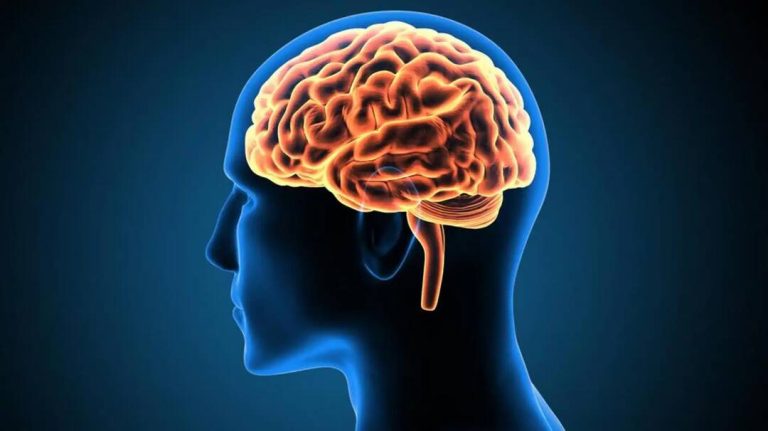
The study, which was conducted on middle-aged mice, found that weight loss caused increased inflammation in the hypothalamus, a part of the brain that plays a crucial role in regulating appetite and energy use. The inflammation persisted for weeks before gradually declining, raising questions about the potential long-term effects of weight loss on brain health.
The hypothalamus is a small but vital region of the brain that helps to control many of our automatic functions, including hunger, thirst, and body temperature. It is also involved in the regulation of hormones that help to control our appetite and metabolism. When we lose weight, our hypothalamus is forced to adapt to the new energy landscape, adjusting our hunger and fullness cues to help us maintain our new weight.
However, the study suggests that this process may not be as straightforward as previously thought. The researchers found that weight loss in middle-aged mice caused a significant increase in inflammation in the hypothalamus, which lasted for several weeks. This inflammation was characterized by the activation of immune cells and the production of pro-inflammatory chemicals, which can damage brain tissue and disrupt normal brain function.
The implications of this study are significant, particularly for individuals who are trying to lose weight in mid-life. While weight loss is often touted as a key component of a healthy lifestyle, the potential risks to brain health must be carefully considered. Chronic inflammation in the brain has been linked to a range of neurodegenerative conditions, including Alzheimer’s disease, Parkinson’s disease, and multiple sclerosis.
Furthermore, the study raises concerns about the potential impact of weight loss on memory and cognitive function. The hypothalamus is closely linked to the hippocampus, a region of the brain that is critical for memory formation and consolidation. Inflammation in the hypothalamus could potentially disrupt the normal functioning of the hippocampus, leading to memory problems and other cognitive deficits.
The study’s findings are also relevant to our understanding of the complex relationships between weight loss, metabolism, and brain health. While weight loss is often associated with improved metabolic health, the study suggests that this may come at a cost to brain health. The researchers speculate that the inflammation caused by weight loss may be a result of the brain’s attempt to adapt to the new energy landscape, highlighting the need for further research into the mechanisms underlying this process.
In conclusion, the study reveals that losing weight in mid-life may have unexpected consequences on the brain, including increased inflammation in the hypothalamus and potential risks to memory and cognitive function. While weight loss is an important component of a healthy lifestyle, it is essential to approach it in a careful and considered manner, taking into account the potential risks to brain health. Further research is needed to fully understand the relationships between weight loss, metabolism, and brain health, and to develop strategies for mitigating the negative effects of weight loss on the brain.
News Source: https://pubmed.ncbi.nlm.nih.gov/41107567/
About the Author