Study reveals what losing weight in mid-life may do to one’s brain
As we age, many of us strive to maintain a healthy weight to reduce the risk of chronic diseases such as diabetes, heart disease, and certain types of cancer. However, a recent study has shed light on a potential unintended consequence of weight loss in mid-life, particularly on our brain health. The research, conducted on middle-aged mice, found that weight loss led to increased inflammation in the hypothalamus, a critical region of the brain involved in regulating appetite, energy use, and other essential functions. This inflammation persisted for weeks before gradually declining, raising concerns about potential long-term effects on memory and the risk of neurodegenerative conditions such as Alzheimer’s disease.
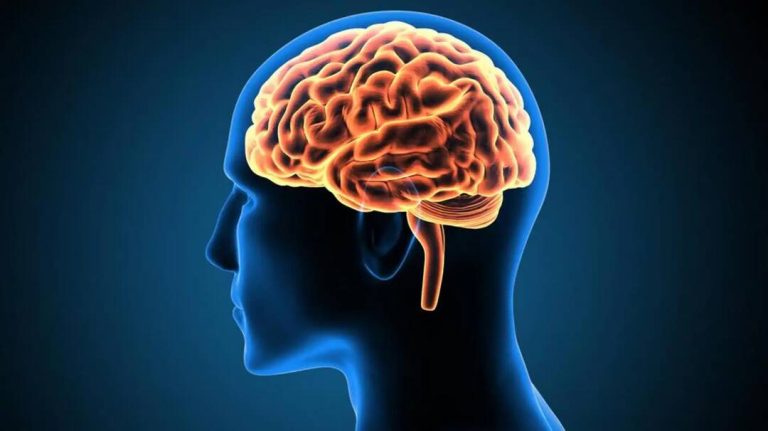
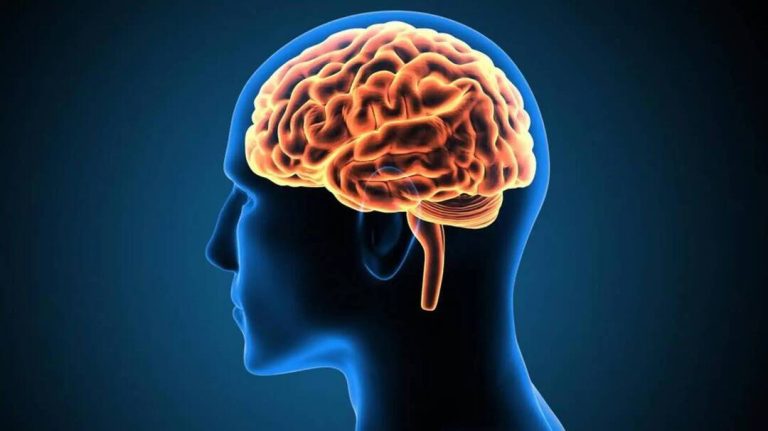
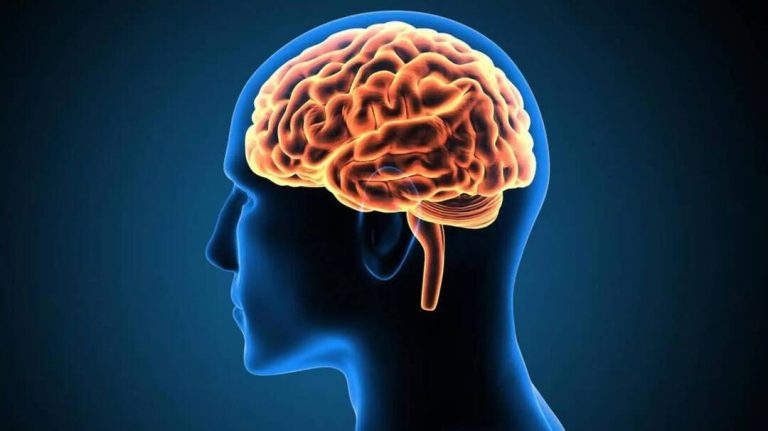
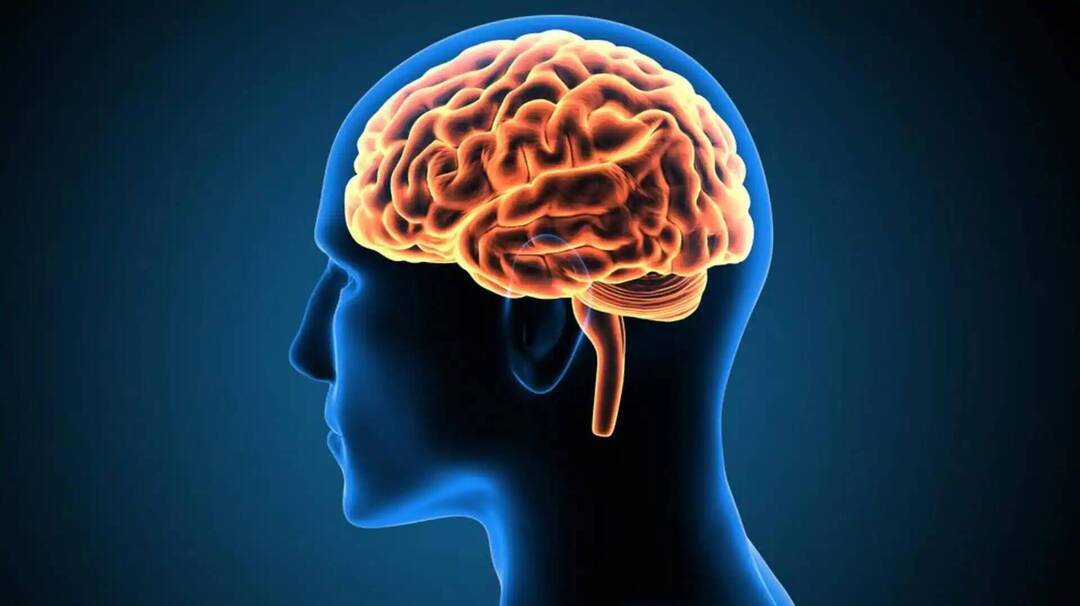
To understand the implications of this study, it’s essential to delve into the role of the hypothalamus in our overall health. The hypothalamus is a small but vital structure located at the base of the brain, responsible for maintaining homeostasis, or a stable internal environment. It plays a crucial role in regulating various physiological processes, including body temperature, hunger, thirst, and energy balance. Any disruption to the hypothalamus’s function can have far-reaching consequences, affecting not only our physical health but also our cognitive and emotional well-being.
The study, which focused on middle-aged mice, used a combination of dietary restrictions and exercise to induce weight loss. The researchers then examined the effects of weight loss on the hypothalamus, using various techniques to measure inflammation and assess the region’s function. The results showed that weight loss led to a significant increase in inflammation in the hypothalamus, which persisted for several weeks before gradually declining. This prolonged inflammatory response is concerning, as chronic inflammation is a known risk factor for various neurodegenerative diseases, including Alzheimer’s and Parkinson’s.
The findings of this study have significant implications for our understanding of the relationship between weight loss, brain health, and aging. While weight loss is often touted as a key factor in maintaining overall health, the research suggests that it may have unintended consequences on our brain health, particularly in mid-life. The hypothalamus’s role in regulating energy balance and appetite means that any disruption to its function could have far-reaching effects on our physical and cognitive health.
One of the primary concerns raised by this study is the potential link between weight loss-induced inflammation and memory problems. The hypothalamus is closely connected to other brain regions involved in memory and learning, such as the hippocampus. Chronic inflammation in the hypothalamus could potentially disrupt the normal functioning of these regions, leading to impairments in memory and cognitive function. This is particularly concerning, given the already significant risk of age-related cognitive decline and dementia.
Furthermore, the study’s findings also raise questions about the potential long-term effects of weight loss on the risk of neurodegenerative diseases such as Alzheimer’s. While the exact mechanisms underlying Alzheimer’s disease are still not fully understood, chronic inflammation is thought to play a significant role in the development and progression of the disease. The fact that weight loss-induced inflammation in the hypothalamus persisted for weeks before declining suggests that it could potentially contribute to the development of Alzheimer’s and other neurodegenerative conditions.
It’s essential to note that this study was conducted on mice, and more research is needed to determine whether similar effects occur in humans. However, the findings do highlight the importance of considering the potential consequences of weight loss on brain health, particularly in mid-life. As we age, our brains undergo natural changes that can affect our cognitive and emotional well-being. Any additional stressors, such as weight loss-induced inflammation, could potentially exacerbate these changes, leading to negative outcomes.
In conclusion, the study’s findings emphasize the need for a more nuanced understanding of the relationship between weight loss, brain health, and aging. While weight loss is often essential for maintaining overall health, it’s crucial to consider the potential unintended consequences on our brain health. Further research is needed to fully understand the effects of weight loss on the hypothalamus and other brain regions, as well as to develop strategies for mitigating any negative consequences. In the meantime, it’s essential to approach weight loss in a holistic and sustainable manner, prioritizing overall health and well-being rather than focusing solely on weight reduction.
As we strive to maintain a healthy weight and reduce the risk of chronic diseases, it’s essential to remember that our brain health is intimately connected to our physical health. By taking a comprehensive approach to health and wellness, we can minimize the risks associated with weight loss and promote overall health and well-being as we age.
News source: https://pubmed.ncbi.nlm.nih.gov/41107567/
About the Author