Study reveals what losing weight in mid-life may do to one’s brain
As we age, our bodies undergo a series of natural changes that can affect our overall health and wellbeing. One common experience for many people is weight gain, particularly during mid-life. In an effort to combat this, many individuals turn to dieting and exercise to shed those extra pounds. However, a recent study has shed light on a potentially concerning consequence of weight loss in middle-aged individuals, specifically with regards to brain health.
The study, which was conducted on mice, found that weight loss in middle age caused increased inflammation in the hypothalamus, a part of the brain that plays a crucial role in regulating appetite and energy use. The inflammation was found to last for weeks before gradually declining. This discovery has sparked concerns about the potential impact on memory problems and neurodegenerative conditions, such as Alzheimer’s disease.
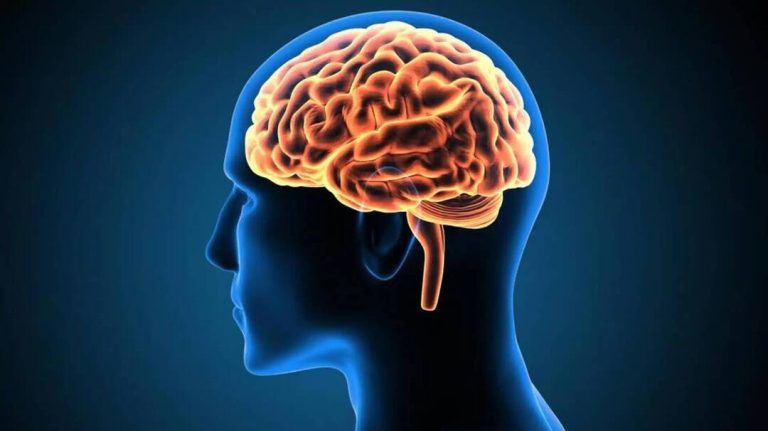
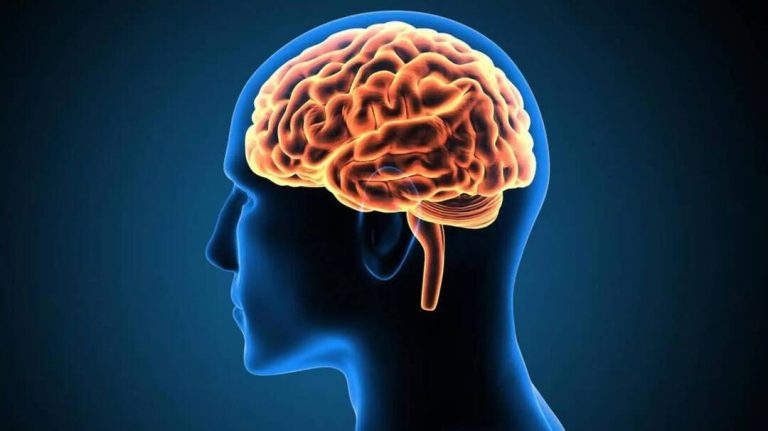
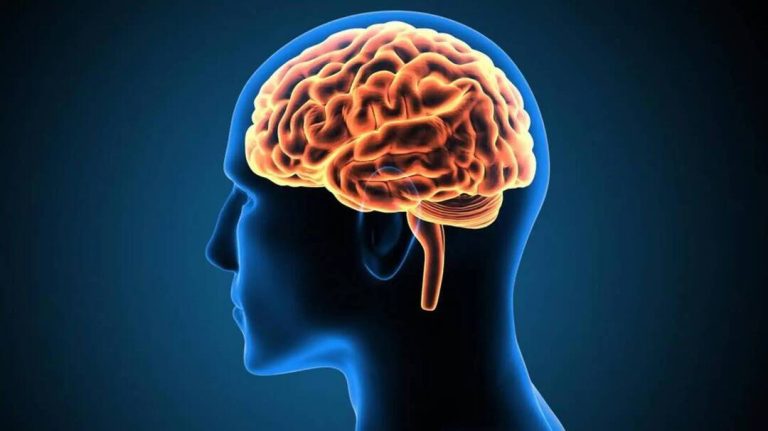
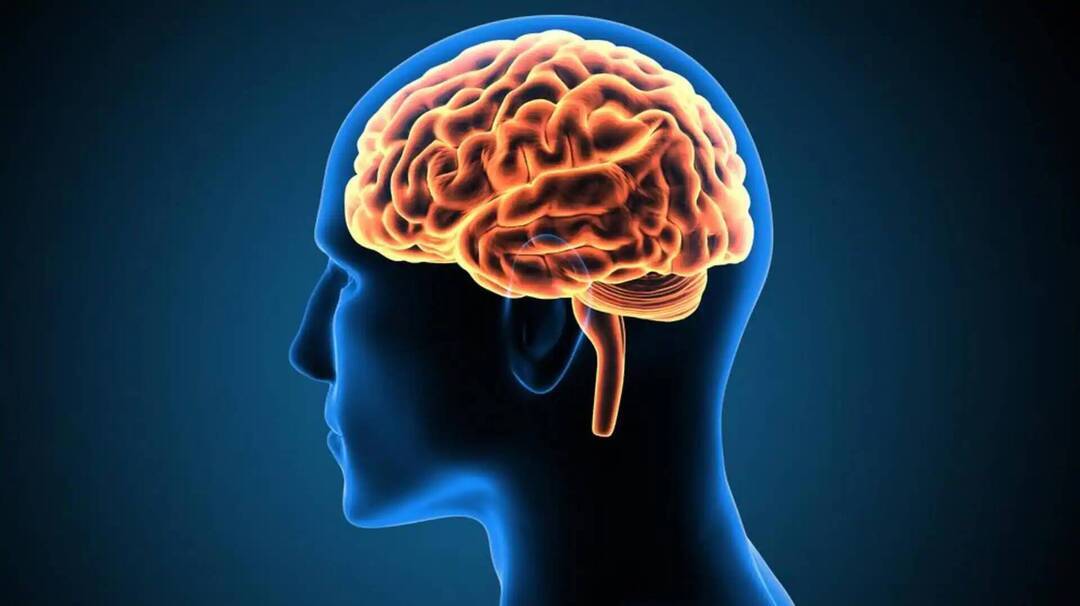
To understand the significance of this finding, it’s essential to delve into the role of the hypothalamus in our brain. The hypothalamus is a small region located at the base of the brain, responsible for producing hormones that help regulate various bodily functions, including hunger, thirst, body temperature, and energy levels. It acts as a kind of “thermostat” for our body, ensuring that our physiological processes are functioning correctly.
When we lose weight, our body undergoes a series of changes to adapt to the new energy landscape. Our metabolism slows down, and our appetite increases to compensate for the reduced caloric intake. However, this study suggests that this process may also trigger an inflammatory response in the hypothalamus, which could have unintended consequences for our brain health.
The researchers behind the study used a mouse model to investigate the effects of weight loss on the brain. They found that when middle-aged mice were placed on a calorie-restricted diet, they experienced a significant increase in inflammation in the hypothalamus. This inflammation was characterized by the activation of immune cells and the production of pro-inflammatory cytokines, which are molecules that promote inflammation.
The most striking aspect of this study was the duration of the inflammatory response. The researchers found that the inflammation persisted for several weeks, even after the mice had reached a stable weight. This suggests that the brain may take a significant amount of time to recover from the effects of weight loss, and that this recovery process may be prolonged.
The implications of this study are significant, particularly with regards to the potential impact on memory problems and neurodegenerative conditions. Chronic inflammation in the brain has been linked to a range of neurodegenerative diseases, including Alzheimer’s, Parkinson’s, and multiple sclerosis. The fact that weight loss in middle age may trigger a prolonged inflammatory response in the hypothalamus raises concerns about the potential long-term effects on brain health.
Furthermore, this study highlights the importance of considering the potential consequences of weight loss on brain health. While losing weight can have numerous benefits for our physical health, it’s essential to approach weight loss in a sustainable and healthy manner. Crash diets and extreme calorie restriction can have unintended consequences, including malnutrition, decreased muscle mass, and, as this study suggests, inflammation in the brain.
In conclusion, this study provides a fascinating insight into the potential effects of weight loss on brain health. The discovery that weight loss in middle age can trigger a prolonged inflammatory response in the hypothalamus raises important questions about the potential long-term consequences for our brain health. As we age, it’s essential to prioritize our health and wellbeing, and to approach weight loss in a sustainable and healthy manner. By doing so, we can minimize the risks associated with weight loss and promote a healthy brain and body for years to come.
News Source: https://pubmed.ncbi.nlm.nih.gov/41107567/
About the Author