Study reveals what losing weight in mid-life may do to one’s brain
As we age, it’s common for our bodies to undergo a series of changes that can impact our overall health and wellbeing. One of the most significant changes that can occur during mid-life is weight gain, which can increase the risk of developing a range of chronic diseases, including diabetes, cardiovascular disease, and certain types of cancer. As a result, many people in their 40s and 50s turn to dieting and exercise in an effort to shed excess pounds and reduce their risk of developing these conditions.
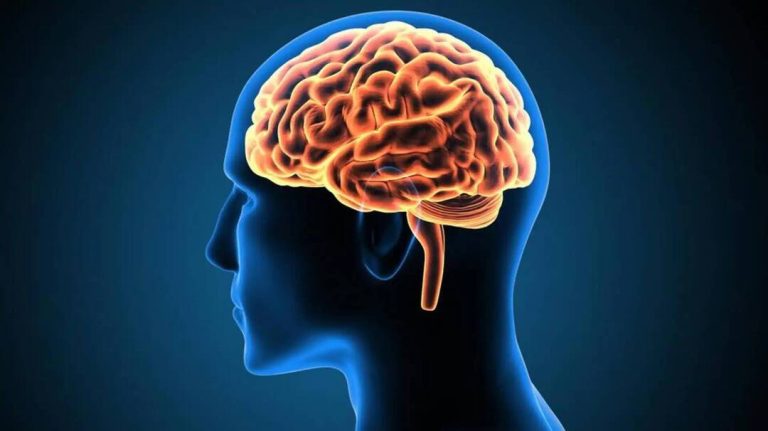
However, a new study has revealed that losing weight in mid-life may have an unexpected impact on the brain. Researchers found that weight loss in middle-aged mice caused increased inflammation in the hypothalamus, a part of the brain that is involved in regulating appetite and the use of energy. The inflammation lasted for weeks before gradually declining, sparking concerns about the potential impact on memory problems and neurodegenerative conditions such as Alzheimer’s.
The study, which was conducted on a group of mice, used a combination of diet and exercise to induce weight loss in the animals. The researchers then used a range of techniques, including imaging and molecular analysis, to examine the impact of weight loss on the brain. They found that the hypothalamus, a small region at the base of the brain, was particularly affected by weight loss, with increased levels of inflammatory markers and changes to the structure and function of the tissue.
The hypothalamus plays a critical role in regulating a range of physiological processes, including appetite, metabolism, and energy balance. It is also involved in the regulation of body temperature, blood pressure, and hormone balance, making it a vital component of the body’s overall physiological function. The inflammation caused by weight loss in the hypothalamus could, therefore, have significant implications for overall health and wellbeing.
One of the most concerning aspects of the study’s findings is the potential impact on memory and cognitive function. The hypothalamus is closely linked to the hippocampus, a region of the brain that is involved in the formation and consolidation of memories. Inflammation in the hypothalamus could, therefore, disrupt the normal functioning of the hippocampus, leading to problems with memory and learning.
Furthermore, the study’s findings also raise concerns about the potential link between weight loss and neurodegenerative conditions such as Alzheimer’s disease. Alzheimer’s is a progressive condition that is characterized by the buildup of amyloid plaques and tau tangles in the brain, leading to inflammation and oxidative stress. The inflammation caused by weight loss in the hypothalamus could, therefore, contribute to the development of Alzheimer’s, particularly in individuals who are already at risk of the condition.
The study’s findings are significant, as they suggest that weight loss in mid-life may not be as straightforward as previously thought. While shedding excess pounds can have a range of health benefits, including reducing the risk of chronic diseases, it may also have unintended consequences for the brain. The researchers behind the study are now calling for further research to be conducted to fully understand the impact of weight loss on the brain and to develop strategies for mitigating any potential negative effects.
In the meantime, the study’s findings highlight the importance of taking a comprehensive approach to weight loss. Rather than simply focusing on diet and exercise, individuals should also prioritize their overall health and wellbeing, including getting enough sleep, managing stress, and engaging in activities that promote cognitive function and mental health.
In conclusion, the study’s findings are a timely reminder of the complex and multifaceted nature of weight loss. While losing weight in mid-life can have a range of health benefits, it may also have unintended consequences for the brain. As we continue to navigate the challenges of aging and weight loss, it is essential that we prioritize our overall health and wellbeing, taking a comprehensive and holistic approach to achieving and maintaining a healthy weight.
News Source: https://pubmed.ncbi.nlm.nih.gov/41107567/
About the Author