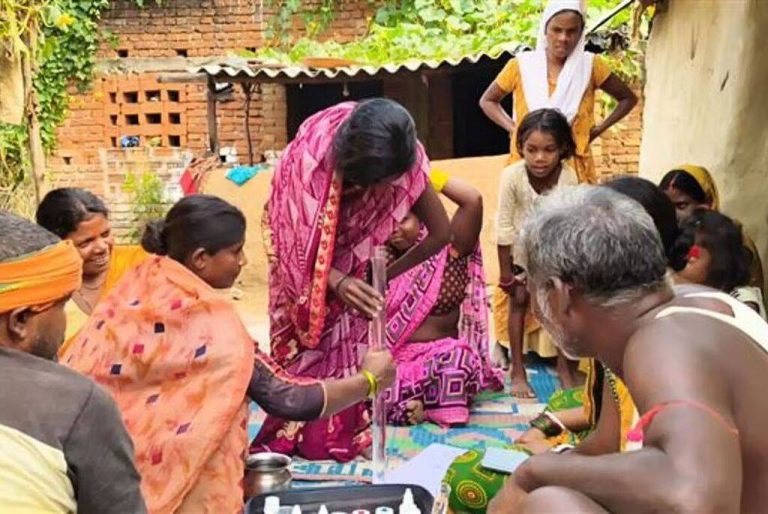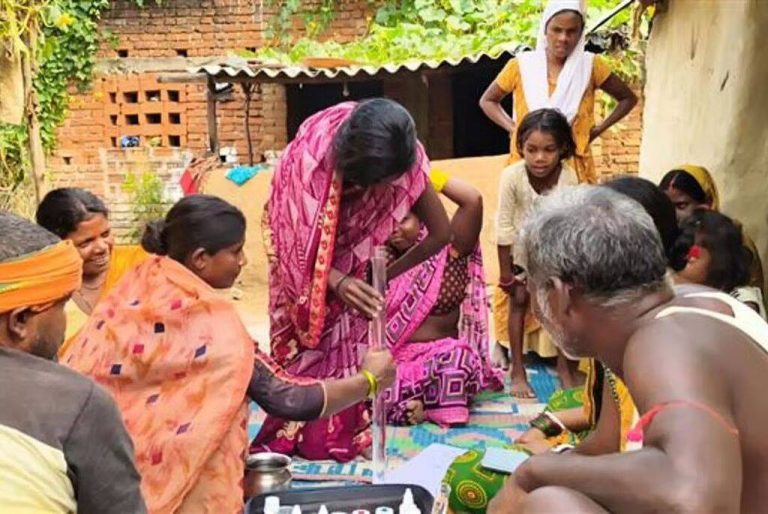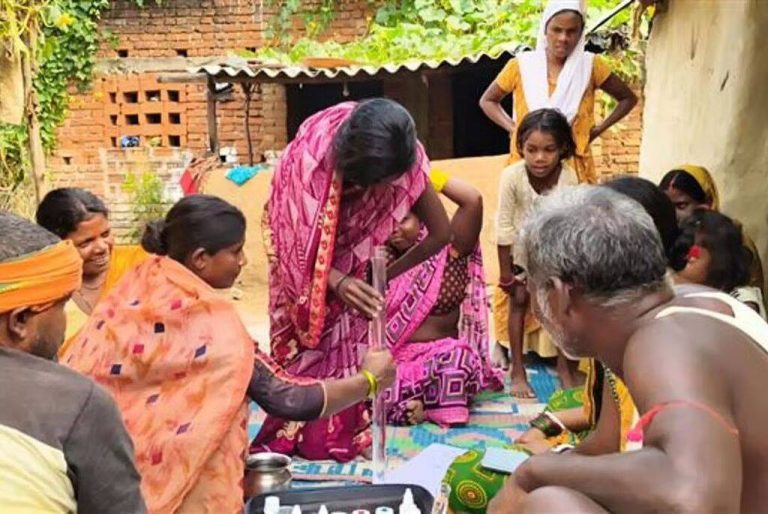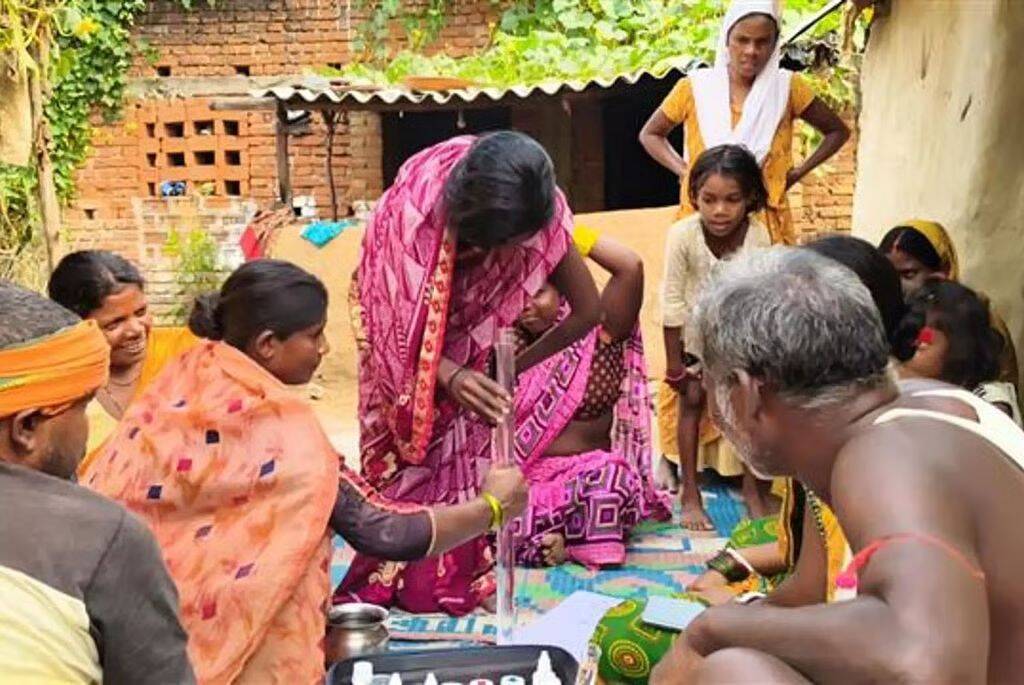
Social beliefs drive rural water adoption: Study
Access to clean drinking water is a fundamental human right, yet millions of people in rural India continue to struggle with accessing safe and reliable water sources. The Indian government has made significant efforts to improve water infrastructure in rural areas, but the adoption of household water purification systems remains a challenge. A new study has shed light on the factors that influence the adoption of these systems, and the findings are surprising. According to the research, social beliefs and collective norms play a much more significant role in driving the adoption of household water purification systems in rural India than previously thought.
The study, which was conducted in several rural villages in India, found that communities with stronger peer influence and shared beliefs reported higher uptake of low-cost purification methods. This suggests that social trust and collective norms are more important than infrastructure access in determining the adoption of household water purification systems. The researchers found that when community members trust each other and share similar beliefs about the importance of clean drinking water, they are more likely to adopt and use household water purification systems.
One of the key factors that influences the adoption of household water purification systems is social trust. When community members trust each other, they are more likely to share information and resources, including knowledge about the importance of clean drinking water. This trust also extends to the adoption of new technologies, such as household water purification systems. The study found that communities with high levels of social trust were more likely to adopt and use these systems, even if they were not familiar with them initially.
Another important factor is collective norms. When a community shares similar beliefs and values, they are more likely to adopt and use household water purification systems. For example, if a community believes that clean drinking water is essential for good health, they are more likely to adopt and use systems that provide clean water. The study found that communities with strong collective norms around the importance of clean drinking water reported higher uptake of household water purification systems.
The study also found that the influence of social beliefs and collective norms is not limited to the adoption of household water purification systems. These factors also influence the maintenance and upkeep of these systems. Communities with strong social trust and collective norms were more likely to maintain and repair their systems, ensuring that they continue to provide clean drinking water over time.
The findings of this study have important implications for water programs in rural India. Rather than focusing solely on infrastructure access, programs must also take into account the social dynamics of the communities they serve. This means engaging with community members, building trust, and promoting collective norms around the importance of clean drinking water. By doing so, programs can increase the adoption and use of household water purification systems, ultimately improving access to clean drinking water for millions of people in rural India.
The study’s findings are also relevant to other development programs, such as sanitation and hygiene initiatives. These programs often struggle to achieve high levels of adoption and use, despite significant investments in infrastructure. By incorporating social beliefs and collective norms into their design and implementation, these programs may be more effective in achieving their goals.
In conclusion, the adoption of household water purification systems in rural India is driven more by social beliefs and collective norms than infrastructure access. Communities with stronger peer influence and shared beliefs reported higher uptake of low-cost purification methods. The findings of this study suggest that water programs must align with local social dynamics, engaging with community members and promoting collective norms around the importance of clean drinking water. By doing so, we can improve access to clean drinking water for millions of people in rural India, ultimately improving their health, well-being, and quality of life.
About the Author