Social Beliefs Drive Rural Water Adoption: Study
Access to clean drinking water is a fundamental human right, yet millions of people in rural India struggle to get safe and reliable water supplies. The Indian government has been working to improve water infrastructure, but the adoption of household water purification systems in rural areas remains a significant challenge. A new study has shed light on the factors that influence the adoption of these systems, and the findings are surprising. It turns out that social beliefs and collective norms play a much more significant role in driving the adoption of household water purification systems than previously thought.
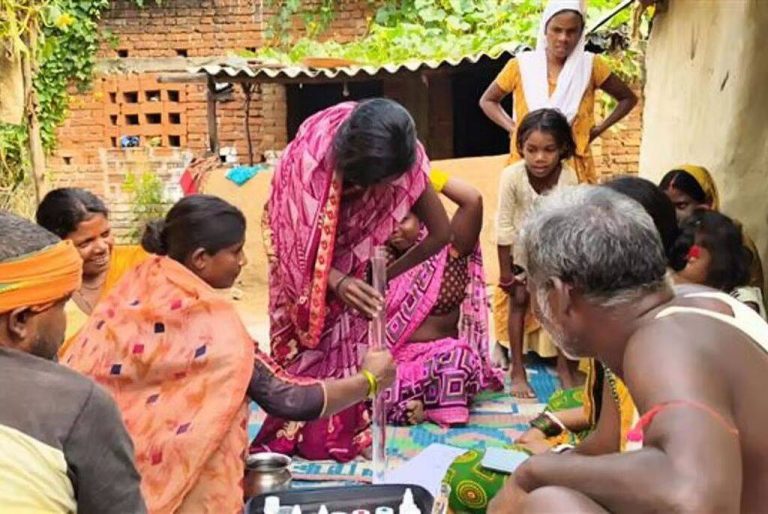
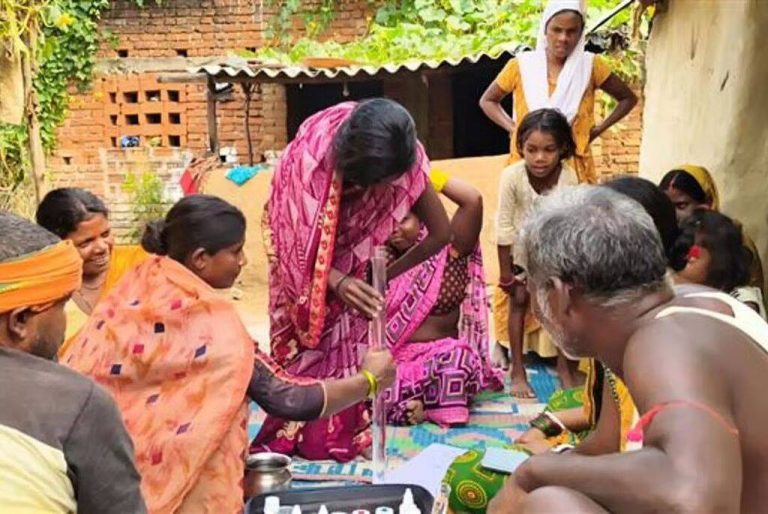
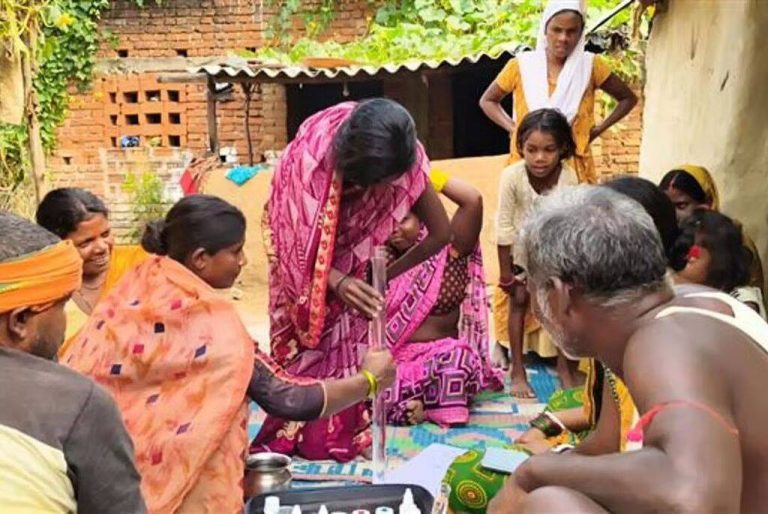
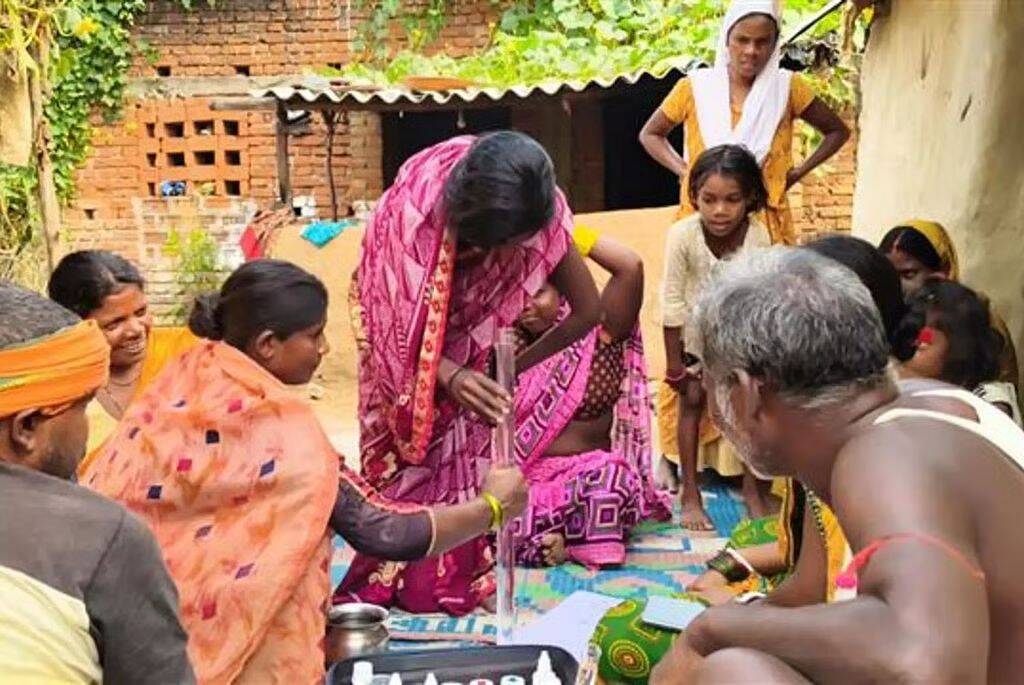
The study, which focused on rural communities in India, found that communities with stronger social trust and peer influence were more likely to adopt low-cost water purification methods. In other words, when people in a community trust and believe in each other, they are more likely to work together to improve their access to clean water. This finding has significant implications for water programs and policies, which often focus on building infrastructure without considering the social dynamics of the communities they serve.
The Power of Social Influence
The study found that social influence is a key driver of water purification adoption in rural India. When community members see their peers using and benefiting from water purification systems, they are more likely to adopt these systems themselves. This is because social influence helps to build trust and credibility, which are essential for overcoming the skepticism and mistrust that often accompany new technologies.
The study also found that collective norms and shared beliefs play a significant role in shaping water purification adoption. In communities where there is a strong shared belief in the importance of clean water, people are more likely to work together to achieve this goal. This collective effort can take many forms, from sharing knowledge and resources to providing emotional support and encouragement.
Infrastructure Access is Not Enough
The study’s findings also highlight the limitations of focusing solely on infrastructure access when it comes to improving water supplies in rural India. While access to piped water and other forms of infrastructure is essential, it is not enough on its own to drive the adoption of household water purification systems. In fact, the study found that communities with better infrastructure access did not necessarily have higher rates of water purification adoption.
This finding suggests that water programs and policies need to look beyond infrastructure access and consider the social dynamics of the communities they serve. By building trust, fostering collective norms, and leveraging social influence, water programs can increase the adoption of household water purification systems and improve access to clean drinking water in rural India.
Implications for Water Programs
The study’s findings have significant implications for water programs and policies in rural India. First and foremost, they highlight the need to engage with local communities and build trust and credibility. This can involve working with local leaders and organizations to promote the benefits of water purification systems and provide training and support to community members.
The study’s findings also suggest that water programs should focus on building collective norms and shared beliefs around the importance of clean water. This can involve promoting the benefits of clean water through community-based initiatives and social media campaigns, as well as providing incentives and rewards for communities that achieve high rates of water purification adoption.
Conclusion
The adoption of household water purification systems in rural India is a complex issue that depends on a range of factors, including social trust, collective norms, and peer influence. While infrastructure access is essential, it is not enough on its own to drive the adoption of these systems. By building trust, fostering collective norms, and leveraging social influence, water programs can increase the adoption of household water purification systems and improve access to clean drinking water in rural India.
As the Indian government continues to work towards improving access to clean water, it is essential to consider the social dynamics of the communities being served. By aligning water programs with local social norms and collective beliefs, we can create a more sustainable and effective approach to improving water supplies in rural India.
About the Author