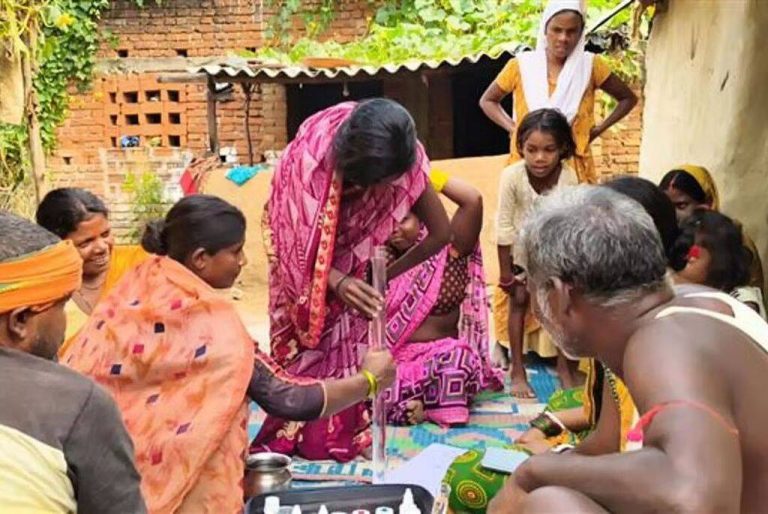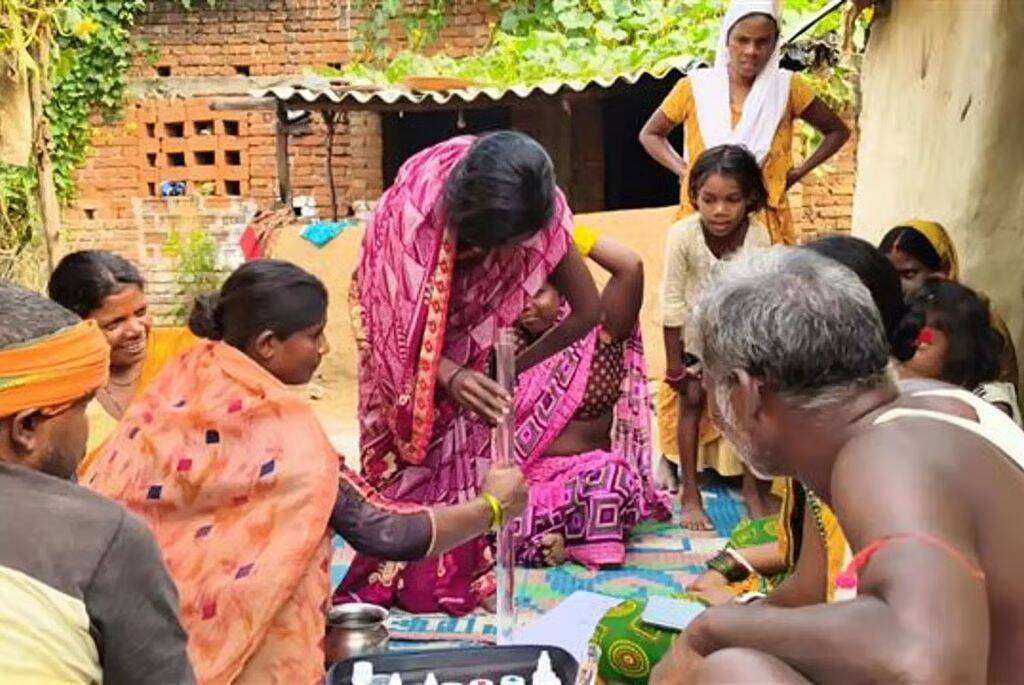
Social Beliefs Drive Rural Water Adoption: Study
Access to clean drinking water is a fundamental human right, yet millions of people in rural India continue to struggle with this basic necessity. Despite the Indian government’s efforts to improve water infrastructure, many rural communities still rely on contaminated water sources, posing serious health risks. Recent research has shed new light on the factors that influence the adoption of household water purification systems in rural India, and the findings are surprising. It appears that social beliefs and collective norms play a far more significant role in determining the uptake of these systems than previously thought.
The study, which focused on rural communities in India, found that the adoption of low-cost water purification methods is heavily influenced by social trust and peer influence. Communities with stronger social bonds and shared beliefs reported higher rates of adoption, while those with weaker social connections lagged behind. This suggests that the effectiveness of water programs depends not only on the availability of infrastructure but also on the social dynamics of the community.
The researchers discovered that community members are more likely to adopt water purification systems if they see their peers using them. This phenomenon is often referred to as “social proof,” where individuals are more likely to adopt a new behavior or technology if they observe others around them doing the same. In the context of rural India, this means that community-led initiatives and social marketing campaigns can be highly effective in promoting the adoption of water purification systems.
Moreover, the study found that collective norms and shared values within a community can either facilitate or hinder the adoption of water purification systems. For example, if a community places a high value on health and well-being, they are more likely to invest in water purification systems. On the other hand, if a community is more focused on short-term economic gains, they may be less likely to prioritize water purification.
The implications of these findings are significant. They suggest that water programs must be designed to align with local social dynamics, taking into account the unique cultural, social, and economic contexts of each community. This requires a more nuanced and community-centered approach, one that recognizes the importance of social trust, peer influence, and collective norms in shaping behavior.
One of the key challenges in promoting the adoption of water purification systems is addressing the issue of affordability. Many low-cost water purification methods are available, but they may still be out of reach for marginalized communities. To overcome this barrier, water programs can explore innovative financing models, such as microfinance initiatives or community-based savings schemes. By making water purification systems more affordable and accessible, communities can take ownership of their water management and improve their overall health and well-being.
Another important consideration is the role of community leaders and influencers in promoting the adoption of water purification systems. Community leaders can play a crucial role in shaping social norms and influencing behavior, and their support can be instrumental in driving the adoption of water purification systems. Water programs can work with community leaders to design and implement social marketing campaigns, leveraging their influence to promote the benefits of water purification.
The study’s findings also highlight the importance of addressing the social and cultural barriers that prevent communities from adopting water purification systems. For example, some communities may be hesitant to adopt new technologies due to concerns about their effectiveness or safety. Water programs can address these concerns by providing education and training on the benefits and proper use of water purification systems.
In conclusion, the adoption of household water purification systems in rural India is a complex issue that depends on a range of social, cultural, and economic factors. While infrastructure access is important, it is not the only determining factor. Social beliefs, collective norms, and peer influence play a far more significant role in shaping behavior and driving the adoption of water purification systems. By recognizing the importance of these social dynamics, water programs can design more effective interventions that align with local contexts and promote the uptake of low-cost water purification methods.
As the Indian government continues to work towards achieving universal access to clean drinking water, it is essential to prioritize community-centered approaches that take into account the unique social dynamics of each community. By doing so, we can ensure that water programs are more effective, sustainable, and equitable, and that millions of people in rural India can enjoy the basic human right to clean drinking water.
About the Author