Social beliefs drive rural water adoption: Study
Access to clean drinking water is a fundamental human right, yet millions of people in rural India struggle to get access to safe and reliable water sources. The Indian government has been working to improve the country’s water infrastructure, but the adoption of household water purification systems in rural areas remains a significant challenge. New research has shed light on the factors that influence the adoption of these systems, and the findings are surprising. According to the study, social beliefs and collective norms play a much bigger role in driving the adoption of household water purification systems in rural India than previously thought.
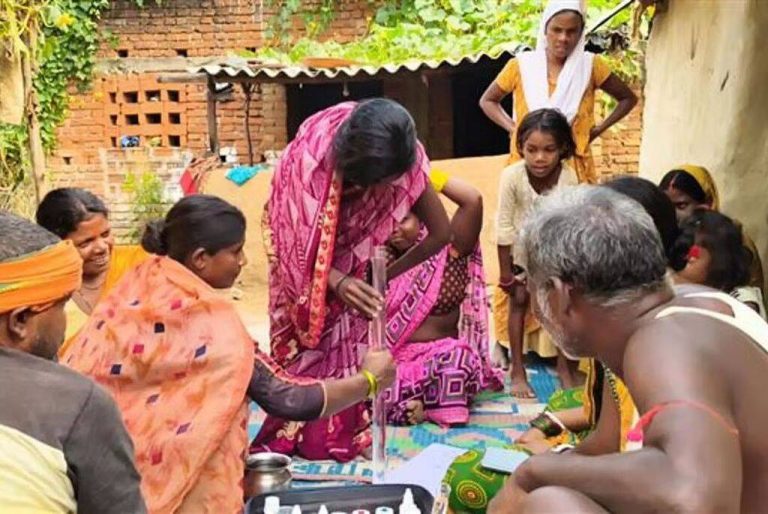
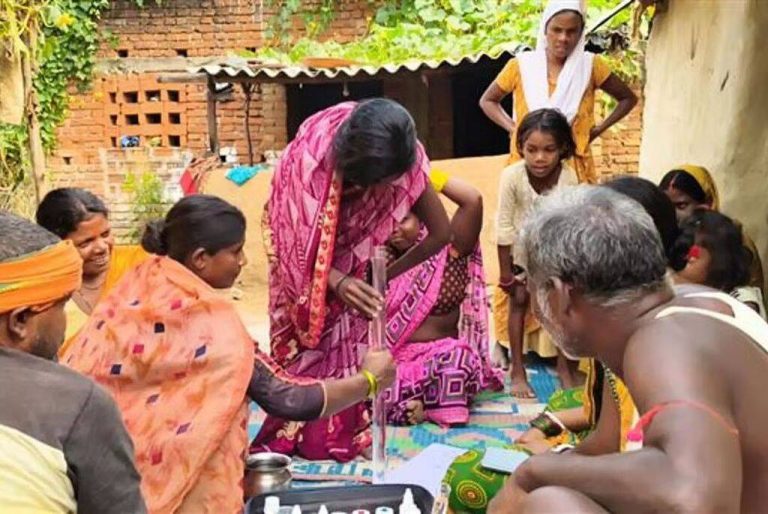
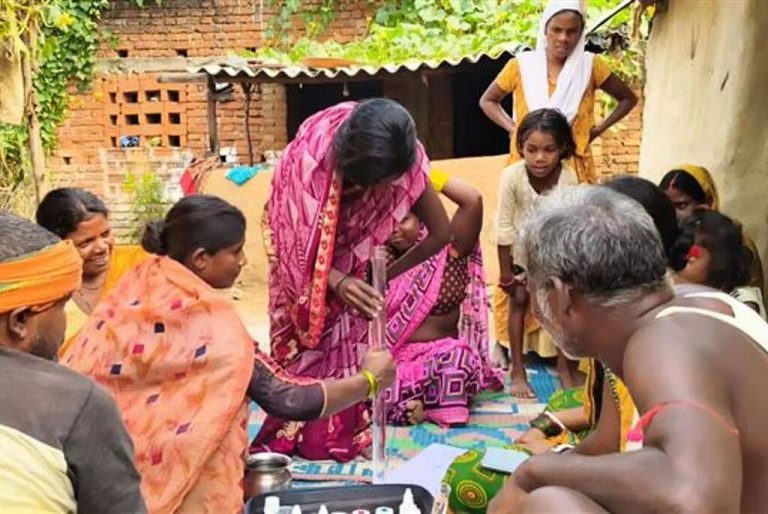
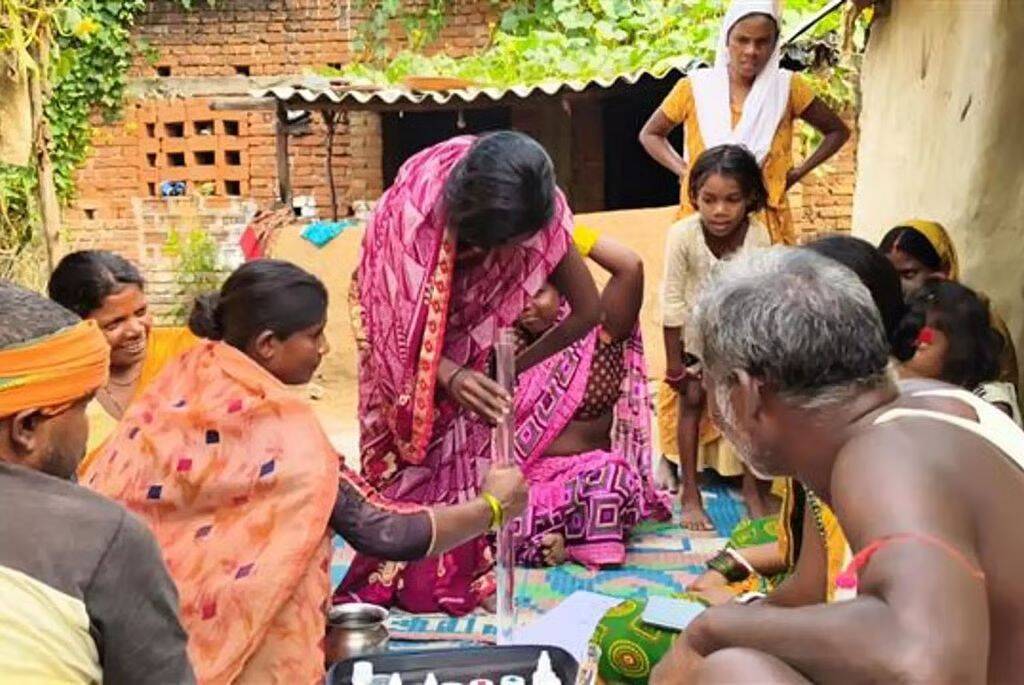
The study, which was conducted in several rural villages in India, found that communities with stronger social bonds and shared beliefs reported higher uptake of low-cost purification methods. The researchers discovered that social trust and peer influence were key factors in determining whether or not a household would adopt a water purification system. In other words, if a family’s neighbors and friends were using a particular purification method, they were more likely to adopt it as well.
This is not to say that infrastructure access is not important. Of course, having a reliable source of clean water is essential for any community. However, the study suggests that even if the infrastructure is in place, social beliefs and collective norms can still be a major barrier to adoption. For example, if a community does not trust the water supplied by the government, they may be less likely to use it, even if it is available.
The study’s findings have significant implications for water programs in rural India. Rather than simply focusing on building new infrastructure, programs must also take into account the social dynamics of the communities they are serving. This means engaging with local leaders and community members to build trust and promote the benefits of water purification systems. It also means designing programs that are tailored to the specific needs and beliefs of each community.
One of the most interesting aspects of the study is the way it highlights the importance of social influence in shaping behavior. The researchers found that households were more likely to adopt a water purification system if they saw their neighbors and friends using one. This is a classic example of social norms theory in action, which suggests that people are more likely to adopt a behavior if they see others around them doing it.
The study also found that social trust was a critical factor in determining whether or not a household would adopt a water purification system. If a community trusted the source of the water and the people providing it, they were more likely to use it. This has significant implications for water programs, which must work to build trust with the communities they are serving.
Another key finding of the study was the importance of collective norms in shaping behavior. The researchers found that communities with stronger collective norms around water use were more likely to adopt water purification systems. This suggests that programs should focus on promoting collective norms around water use, rather than just targeting individual households.
The study’s findings are consistent with other research on the importance of social factors in driving behavior change. For example, a study on sanitation adoption in rural India found that social norms and peer influence were key factors in determining whether or not a household would adopt a toilet. Similarly, a study on energy efficiency found that social norms and community engagement were critical in driving behavior change.
So what can be done to promote the adoption of household water purification systems in rural India? First and foremost, programs must engage with local communities and build trust. This means working with local leaders and community members to design programs that are tailored to their specific needs and beliefs. It also means promoting collective norms around water use and social influence.
Second, programs must focus on promoting low-cost purification methods that are accessible to all. This could include providing subsidies or other incentives for households to adopt these methods. It could also include promoting community-based purification systems, such as community water filters or solar disinfection.
Finally, programs must take into account the social dynamics of the communities they are serving. This means understanding the social norms and collective beliefs that shape behavior, and designing programs that are tailored to these factors. It also means engaging with local leaders and community members to build trust and promote the benefits of water purification systems.
In conclusion, the adoption of household water purification systems in rural India is a complex issue that depends on a range of social and cultural factors. While infrastructure access is important, social beliefs and collective norms play a much bigger role in driving adoption. Programs must take into account these social dynamics and design interventions that are tailored to the specific needs and beliefs of each community. By doing so, we can promote the adoption of household water purification systems and improve access to clean drinking water for millions of people in rural India.
About the Author