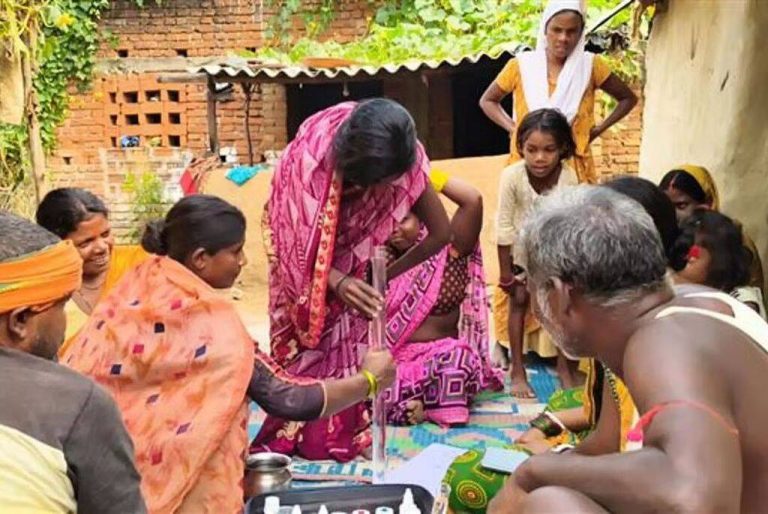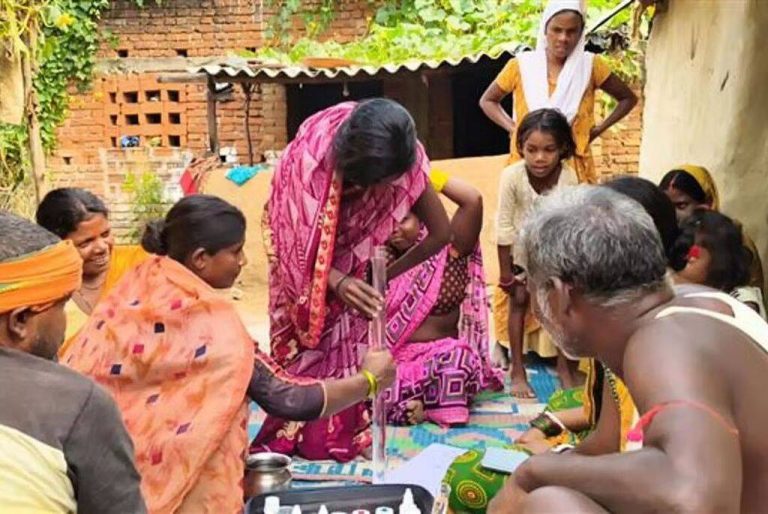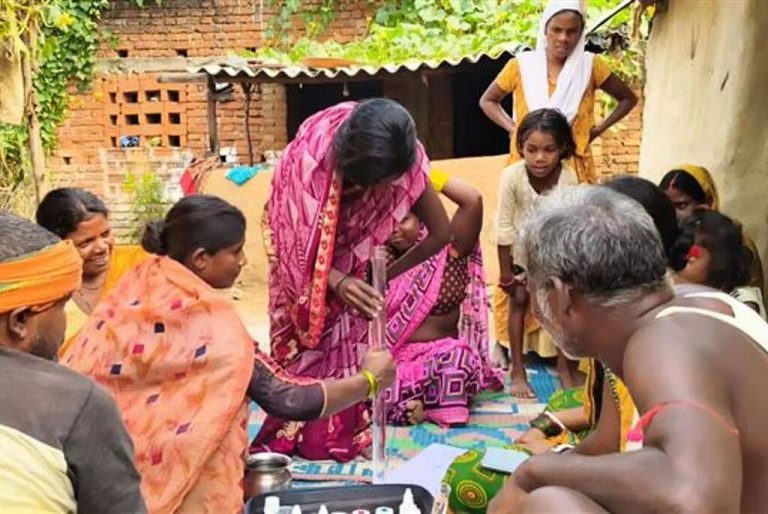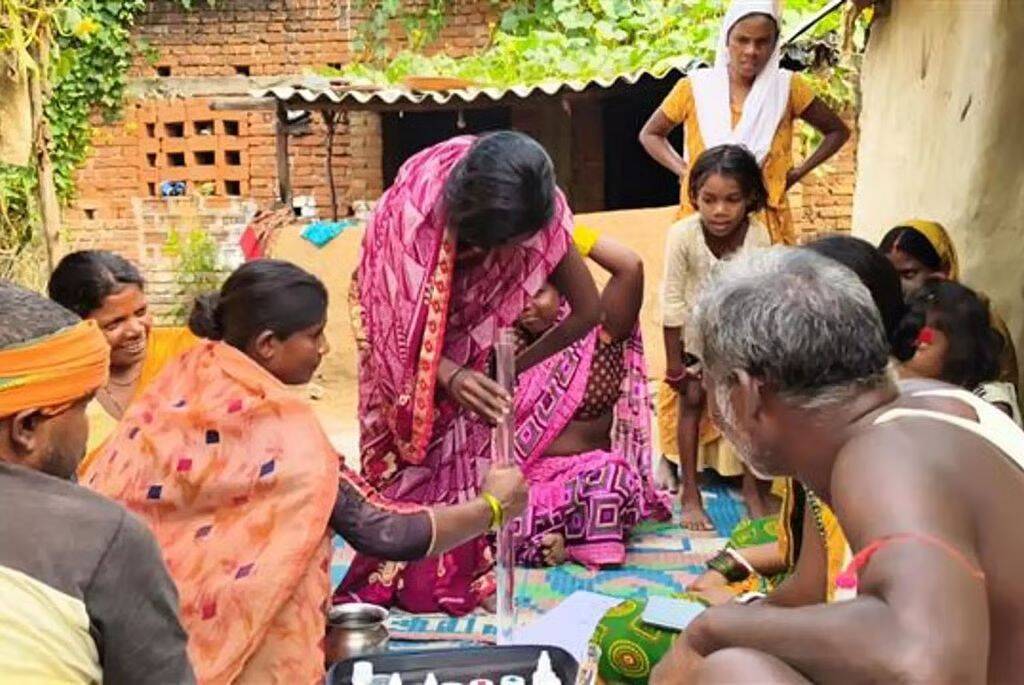
Social beliefs drive rural water adoption: Study
Access to clean drinking water is a fundamental human right, yet millions of people in rural India continue to struggle with limited access to safe and reliable water sources. In recent years, efforts to improve water quality have focused on implementing household water purification systems, which have shown promise in reducing waterborne illnesses. However, the adoption of these systems has been inconsistent, with some communities embracing them more readily than others. A new study has shed light on the factors driving the adoption of household water purification systems in rural India, and the findings are surprising.
According to the research, the adoption of household water purification systems in rural India depends more on social trust and collective norms than infrastructure access. Communities with stronger peer influence and shared beliefs reported higher uptake of low-cost purification methods, such as boiling, filtering, and disinfecting water. This suggests that social dynamics play a crucial role in determining the success of water programs, and that simply providing access to infrastructure is not enough to ensure adoption.
The study, which analyzed data from rural communities in India, found that social beliefs and norms were significant predictors of water purification adoption. In communities where there was a strong sense of social trust and shared values, individuals were more likely to adopt water purification methods. This was particularly true for communities with strong social networks and collective norms around health and hygiene. In contrast, communities with weaker social bonds and less cohesive norms reported lower adoption rates.
One of the key factors influencing adoption was peer influence. Communities where friends and family members were already using water purification methods were more likely to adopt them as well. This suggests that social learning and observation play a significant role in shaping water-related behaviors. When individuals see others in their community adopting a particular behavior, they are more likely to follow suit.
Another important factor was collective efficacy, or the belief that the community can work together to achieve a common goal. Communities with high collective efficacy reported higher adoption rates of water purification methods, as individuals felt more confident in their ability to improve their water quality. This highlights the importance of community engagement and participation in water programs, as well as the need to build trust and social capital among community members.
The findings of this study have significant implications for water programs in rural India. Rather than simply focusing on providing access to infrastructure, programs must also take into account the social dynamics of the communities they serve. This means engaging with community leaders and members to build trust and social capital, as well as promoting social norms and behaviors that support water purification adoption.
Additionally, the study suggests that low-cost water purification methods, such as boiling and filtering, can be effective in improving water quality, particularly in communities with limited access to piped water. These methods can be simple, affordable, and easy to adopt, making them a viable option for rural communities.
Overall, the study highlights the importance of considering social beliefs and norms in the design and implementation of water programs. By aligning programs with local social dynamics and promoting collective action, we can increase the adoption of household water purification systems and improve access to safe and reliable drinking water for millions of people in rural India.
The study’s findings are particularly relevant in the context of India’s ongoing efforts to improve water quality and access. The government’s flagship program, the Jal Jeevan Mission, aims to provide piped water to all households by 2024. However, the program’s success will depend on more than just infrastructure development; it will also require a deep understanding of the social dynamics and norms that shape water-related behaviors in rural communities.
In conclusion, the adoption of household water purification systems in rural India is driven by social beliefs and collective norms, rather than just infrastructure access. Communities with stronger peer influence and shared beliefs are more likely to adopt low-cost purification methods, highlighting the importance of social learning and observation in shaping water-related behaviors. As we work to improve access to safe and reliable drinking water, it is essential that we consider the social dynamics of the communities we serve and design programs that align with local norms and values.
For more information on this topic, please visit: https://www.indiawaterportal.org/drinking-water/how-culture-shapes-rural-indias-use-of-community-water-purification-systems
About the Author