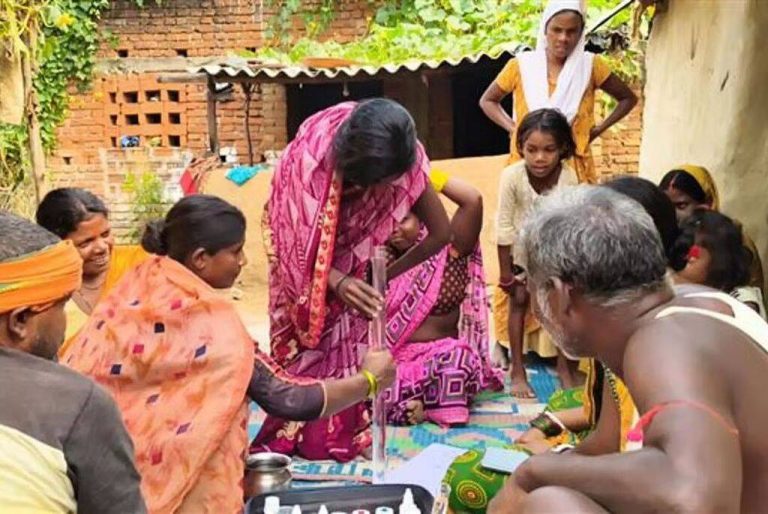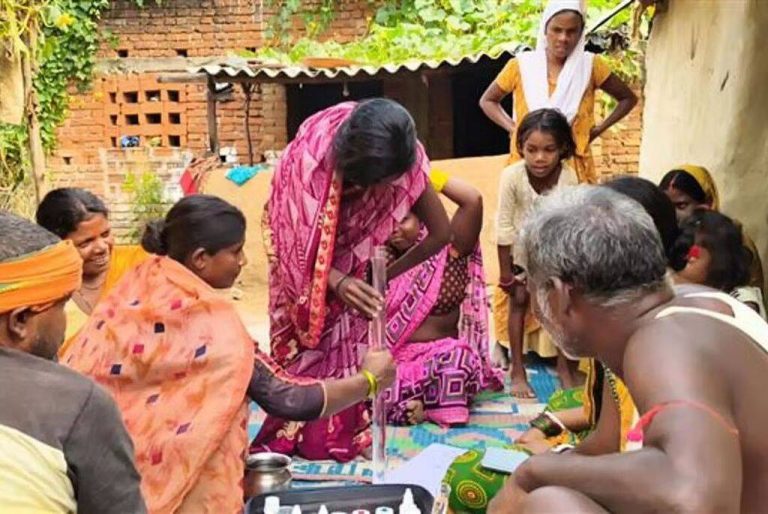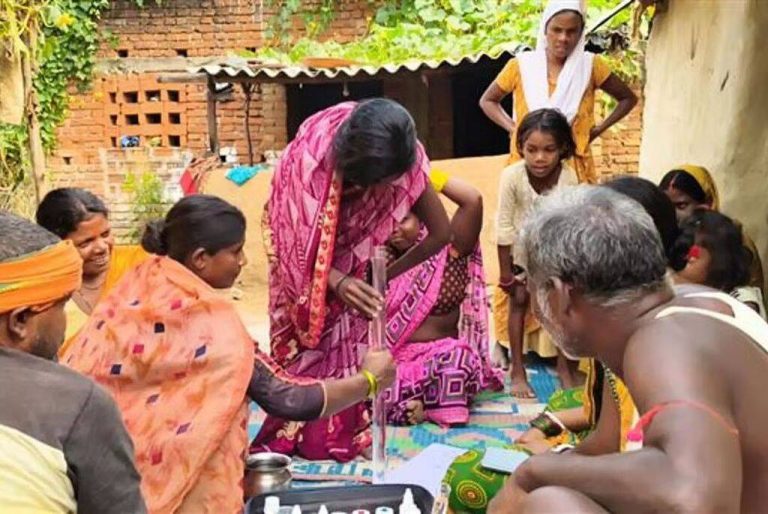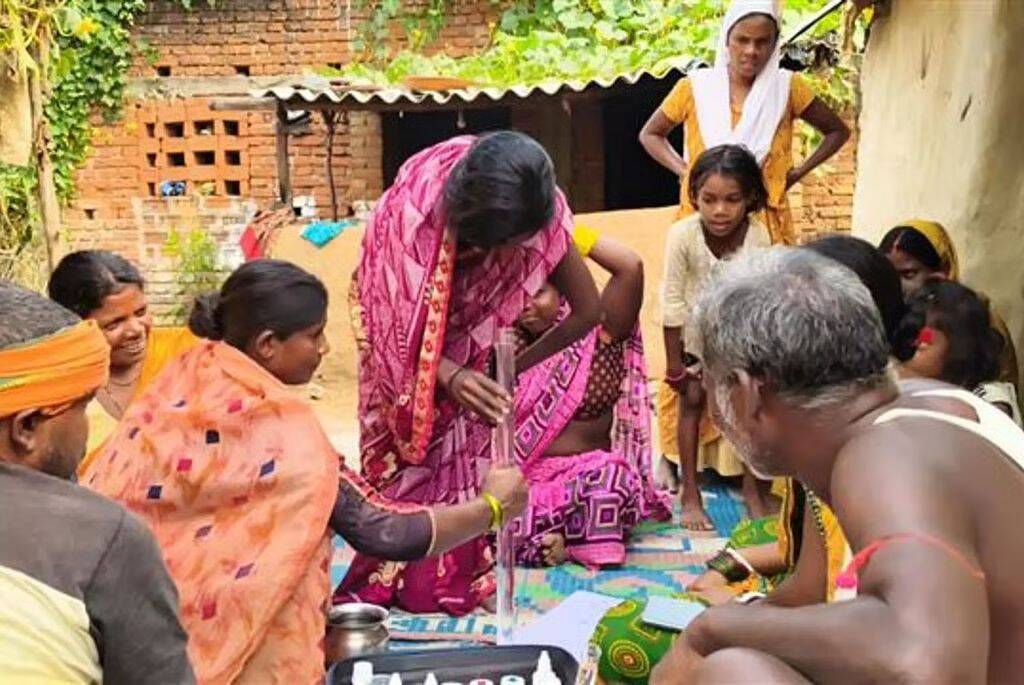
Social beliefs drive rural water adoption: Study
Access to clean drinking water is a fundamental human right, yet millions of people in rural India continue to struggle with this basic necessity. The Indian government has made significant efforts to improve rural water infrastructure, but the adoption of household water purification systems remains a challenge. Recent research has shed new light on the factors that influence the adoption of these systems, and the findings are surprising. It appears that social beliefs and collective norms play a much more significant role in driving the adoption of household water purification systems than previously thought.
The study, which focused on rural communities in India, found that the uptake of low-cost water purification methods was higher in communities with stronger peer influence and shared beliefs. In other words, when community members trust and believe in the effectiveness of a particular water purification system, they are more likely to adopt it. This is not necessarily determined by the availability of infrastructure or the cost of the system, but rather by the social dynamics of the community.
The researchers found that communities with a strong sense of collective identity and shared values were more likely to adopt water purification systems. This is because community members are more likely to trust and follow the advice of their peers, rather than relying solely on external information or authorities. The study also found that communities with a history of collective action and cooperation were more likely to adopt water purification systems, as they were more likely to work together to address common problems.
The implications of this study are significant. It suggests that water programs and policies must be designed to take into account the social dynamics of rural communities, rather than simply focusing on infrastructure development. This means that policymakers and practitioners must engage with community members and understand their beliefs, values, and norms in order to design effective water programs.
One of the key challenges in promoting the adoption of household water purification systems is overcoming the skepticism and mistrust that many community members may have. This can be particularly difficult in communities where there is a lack of trust in external authorities or where there have been negative experiences with previous water programs. However, the study suggests that by working with community members and building trust, it is possible to overcome these barriers and promote the adoption of water purification systems.
The study also highlights the importance of social influence in driving behavior change. When community members see their peers adopting and using water purification systems, they are more likely to do the same. This is because social influence can be a powerful motivator, particularly in communities where social norms and collective identity are strong.
The findings of this study are consistent with other research on the role of social norms and collective identity in shaping behavior. For example, studies have shown that community-based initiatives to promote sanitation and hygiene have been successful in part because they have been able to tap into existing social norms and collective identity.
The study’s findings also have implications for the design of water programs and policies. Rather than relying solely on top-down approaches, policymakers and practitioners should work to engage with community members and understand their social dynamics. This can involve working with local leaders and community groups to promote water purification systems, as well as providing training and support to community members who are interested in adopting these systems.
In addition, the study highlights the importance of addressing the social and cultural barriers that may prevent community members from adopting water purification systems. This can involve working to build trust and credibility with community members, as well as addressing any misconceptions or concerns that they may have.
In conclusion, the adoption of household water purification systems in rural India is driven more by social beliefs and collective norms than by infrastructure access. Communities with stronger peer influence and shared beliefs are more likely to adopt low-cost purification methods, and policymakers and practitioners must take these social dynamics into account when designing water programs. By working with community members and understanding their social norms and collective identity, it is possible to promote the adoption of water purification systems and improve access to clean drinking water in rural India.
The study’s findings are a valuable contribution to our understanding of the complex factors that influence the adoption of water purification systems in rural India. As policymakers and practitioners seek to improve access to clean drinking water, they would do well to take into account the social dynamics of rural communities and design programs that are tailored to their needs and values.
About the Author