Social beliefs drive rural water adoption: Study
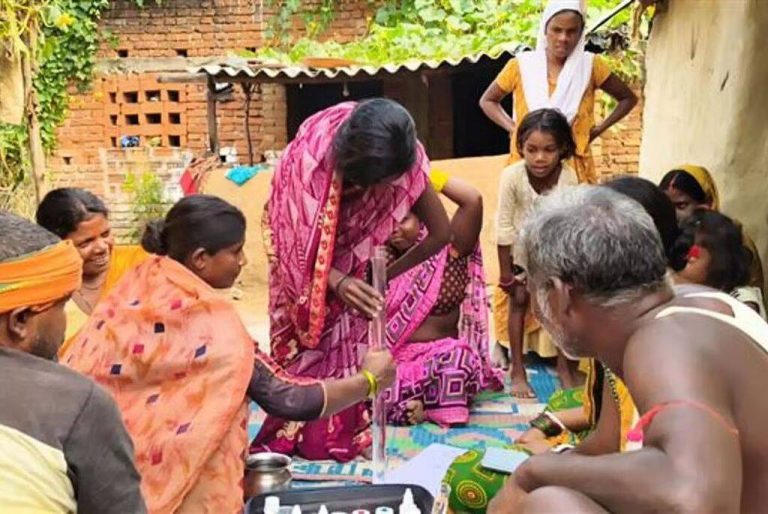
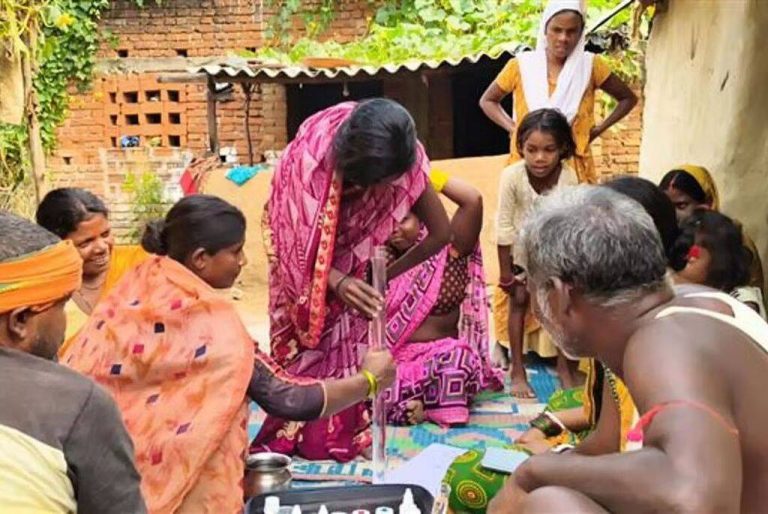
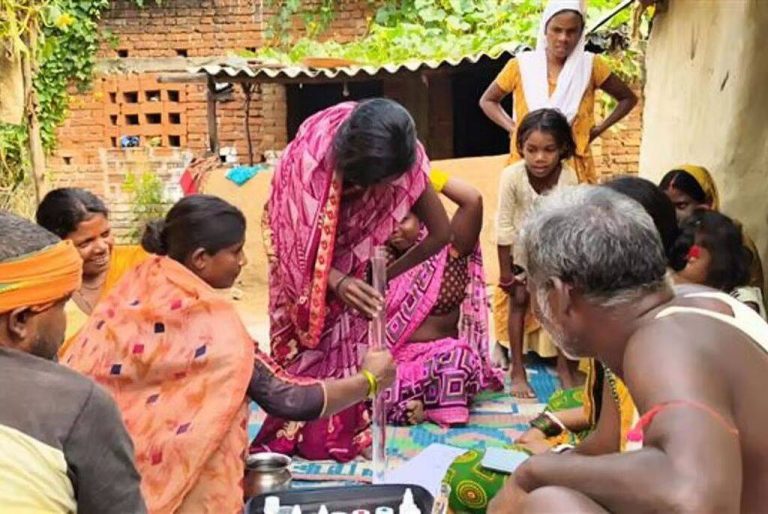
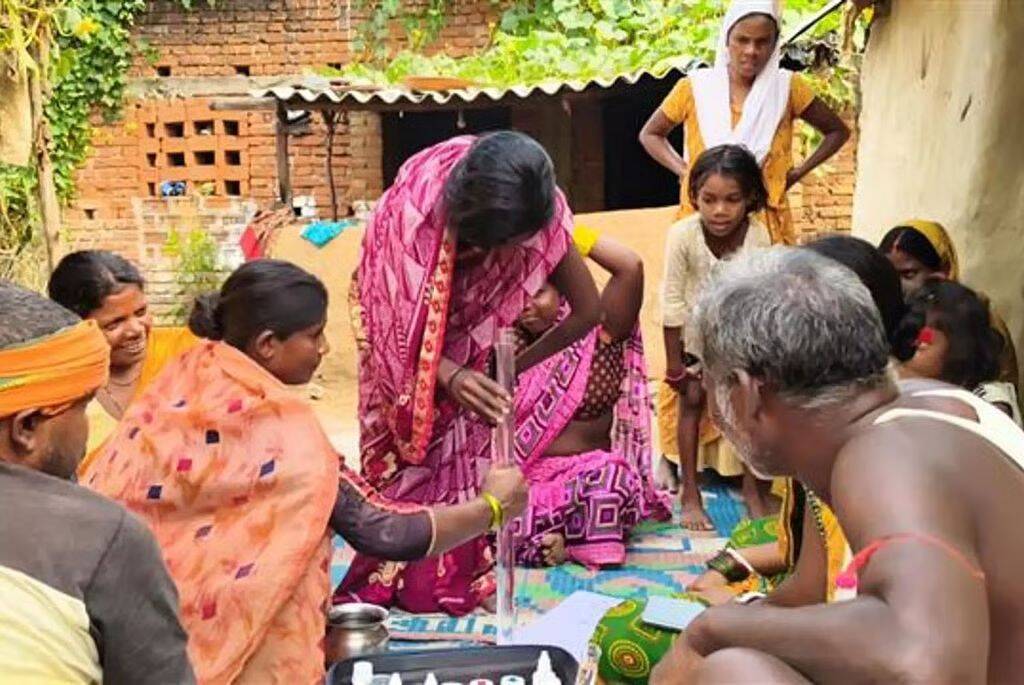
Access to clean drinking water is a fundamental human right, yet millions of people in rural India still lack access to safe and reliable water sources. The Indian government has made significant efforts to improve water infrastructure in rural areas, but the adoption of household water purification systems remains a challenge. A new study has shed light on the factors that influence the adoption of these systems, and the findings are surprising. According to the research, social beliefs and collective norms play a much more significant role in driving the adoption of household water purification systems in rural India than previously thought.
The study, which was conducted in several rural villages in India, found that communities with stronger social bonds and shared beliefs reported higher uptake of low-cost water purification methods. The researchers discovered that social trust and peer influence were key factors in determining whether or not a household would adopt a water purification system. In other words, if a household’s neighbors and friends were using a water purification system, they were more likely to adopt one as well.
This finding is significant because it suggests that water programs in rural India must align with local social dynamics in order to be effective. Simply building more infrastructure or providing more funding for water purification systems is not enough. Instead, programs must take into account the social norms and collective beliefs of the communities they are serving.
The study also found that communities with stronger social cohesion were more likely to work together to maintain and repair their water purification systems. This is important because maintenance and repair are critical to ensuring that these systems continue to function effectively over time. If a community is not invested in maintaining their water purification system, it is likely to fall into disrepair, which can lead to a range of negative health and environmental consequences.
So, what can be done to promote the adoption of household water purification systems in rural India? The study suggests that water programs should focus on building social trust and promoting collective norms around water purification. This could involve working with local community leaders to promote the benefits of water purification, or providing training and education to households on how to use and maintain these systems.
Another approach could be to use social marketing campaigns to promote the adoption of water purification systems. Social marketing involves using commercial marketing techniques to promote social causes, and it has been shown to be effective in promoting the adoption of health-related behaviors, including water purification.
The study’s findings also highlight the importance of considering the cultural context in which water programs are being implemented. In rural India, water is not just a physical resource, but also a cultural and social one. Water is often closely tied to religious and spiritual practices, and its use and management are shaped by a range of social and cultural norms.
For example, in some rural communities, water is considered a sacred resource that should be treated with reverence and respect. In these communities, the adoption of water purification systems may be influenced by cultural and spiritual beliefs, rather than just practical considerations. By taking these cultural factors into account, water programs can be designed to be more effective and sustainable.
In conclusion, the adoption of household water purification systems in rural India is a complex issue that is influenced by a range of social, cultural, and economic factors. The study’s findings suggest that social beliefs and collective norms play a critical role in driving the adoption of these systems, and that water programs must align with local social dynamics in order to be effective.
By promoting social trust and collective norms around water purification, and by considering the cultural context in which water programs are being implemented, it is possible to increase the adoption of household water purification systems in rural India. This, in turn, can help to improve the health and well-being of rural communities, and contribute to a more sustainable and equitable water future.
About the Author