Social Beliefs Drive Rural Water Adoption: Study
Access to clean drinking water is a fundamental human right, yet millions of people in rural India struggle to get safe and reliable water supply. The Indian government has been working tirelessly to improve the country’s water infrastructure, but despite these efforts, the adoption of household water purification systems in rural areas remains low. A new study has shed light on the factors that influence the adoption of these systems, and the findings are surprising. It appears that social beliefs and collective norms play a much more significant role in driving the adoption of household water purification systems in rural India than previously thought.
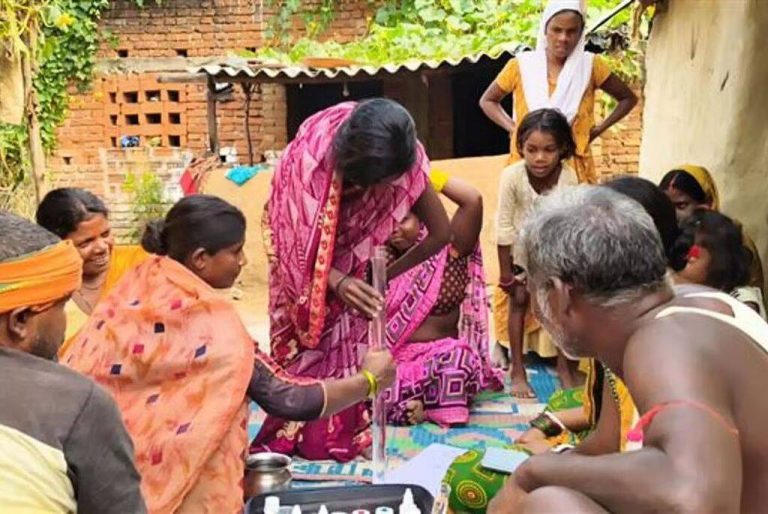
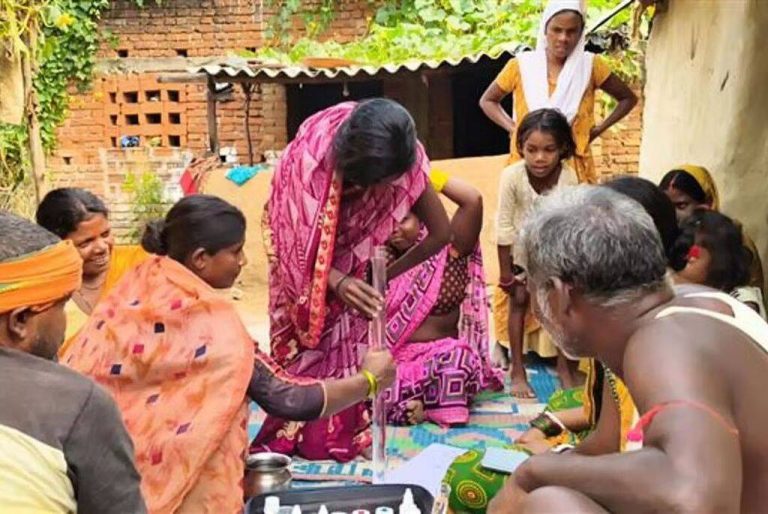
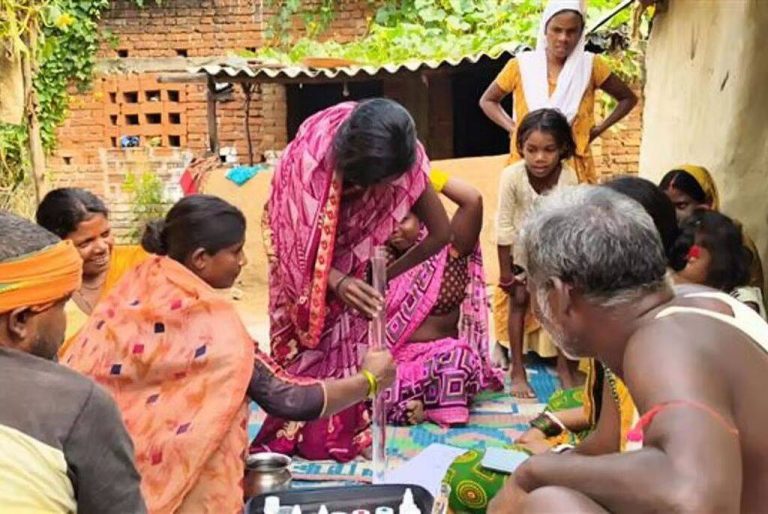
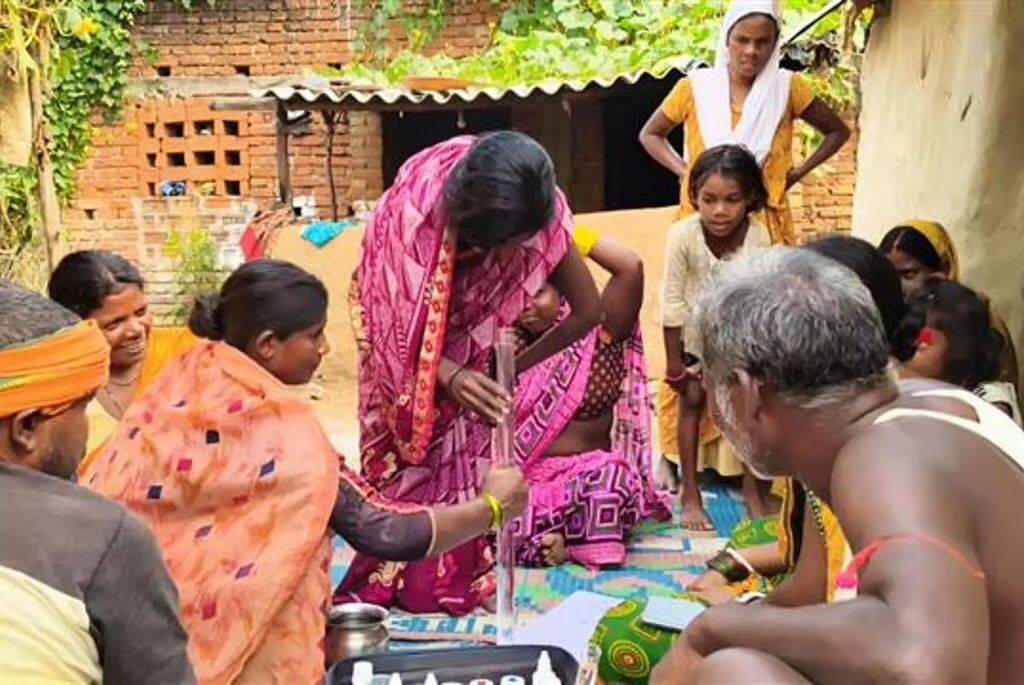
The study, which was conducted in several rural villages in India, found that communities with stronger peer influence and shared beliefs reported higher uptake of low-cost purification methods. This suggests that water programs must align with local social dynamics if they are to be successful. The researchers found that social trust and collective norms were the most significant factors in determining whether a household would adopt a water purification system. In other words, if a community believes that a particular water purification system is effective and trustworthy, they are more likely to adopt it.
This is not to say that infrastructure access is not important. Of course, it is essential to have a reliable and efficient water supply system in place. However, the study suggests that even if the infrastructure is in place, social beliefs and collective norms can still be a major barrier to adoption. For example, if a community is skeptical about the effectiveness of a particular water purification system, they may be less likely to adopt it, even if it is widely available.
The study’s findings have significant implications for water programs in rural India. Rather than simply focusing on building new infrastructure, programs must also take into account the social dynamics of the communities they are serving. This means working with local leaders and community members to build trust and promote the benefits of water purification systems. It also means being sensitive to the cultural and social norms of the community, and designing programs that are tailored to their specific needs and values.
One of the most interesting aspects of the study is the way it highlights the importance of peer influence in driving the adoption of new technologies. The researchers found that households were more likely to adopt a water purification system if their neighbors and friends had already done so. This suggests that social networks and peer influence can be a powerful tool for promoting the adoption of new technologies, including water purification systems.
The study also found that collective norms and social trust were critical factors in determining the success of water programs. In communities where there was a strong sense of collective responsibility and social trust, households were more likely to work together to maintain and operate water purification systems. This suggests that programs that promote community involvement and social cohesion may be more effective in the long run than those that focus solely on individual households.
The implications of this study are not limited to rural India. The findings have relevance for water programs around the world, particularly in areas where social and cultural factors play a significant role in shaping behavior. By taking into account the social dynamics of the communities they are serving, water programs can be more effective and sustainable in the long run.
In conclusion, the adoption of household water purification systems in rural India is a complex issue that is influenced by a range of factors, including social beliefs, collective norms, and peer influence. While infrastructure access is important, it is not the only factor that determines whether a household will adopt a water purification system. By understanding the social dynamics of the communities they are serving, water programs can be more effective and sustainable in the long run. As the world works to achieve the Sustainable Development Goals, including universal access to safe and clean drinking water, studies like this one provide valuable insights into the complex factors that shape human behavior and decision-making.
About the Author