Social beliefs drive rural water adoption: Study
Access to clean drinking water is a fundamental human right, yet millions of people in rural India continue to struggle with limited access to safe and reliable water sources. The Indian government has launched various initiatives to improve rural water infrastructure, including the installation of community water purification systems. However, the adoption of these systems has been slow, and researchers have been trying to understand the reasons behind this sluggish uptake.
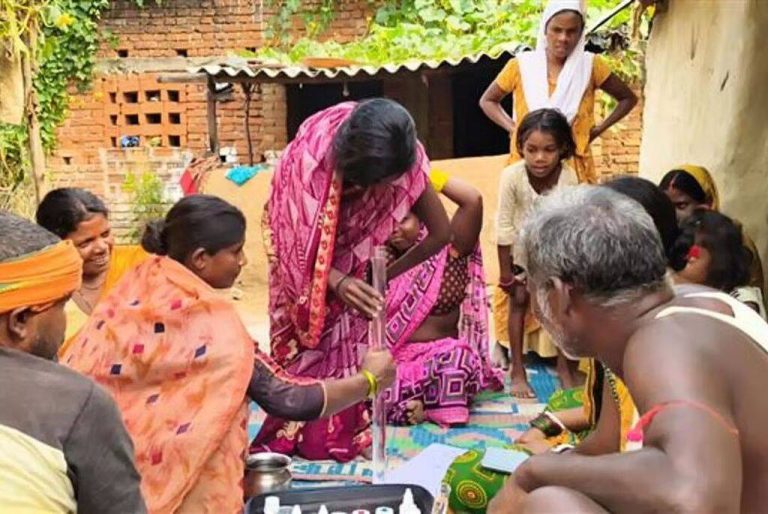
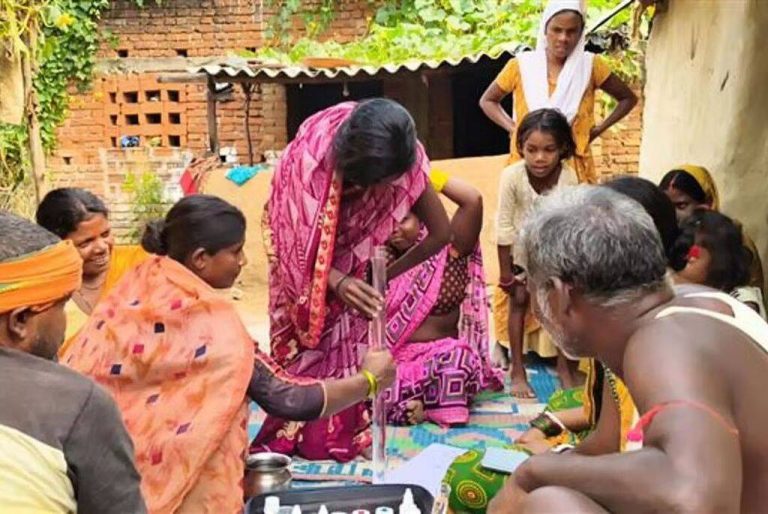
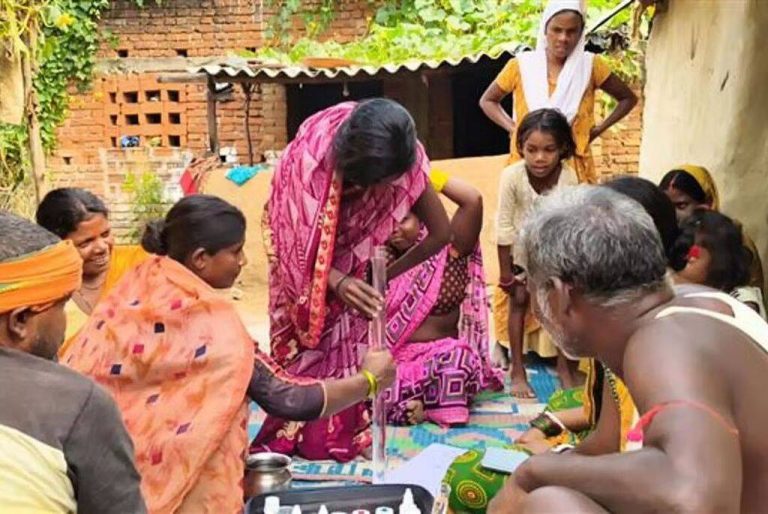
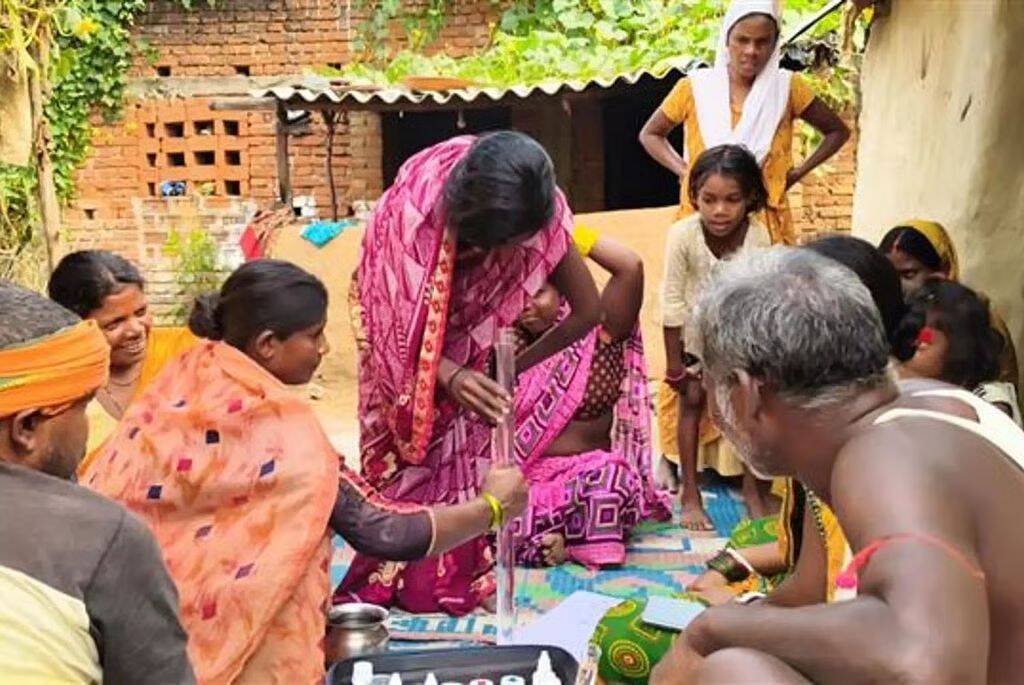
New research has shed light on the factors that influence the adoption of household water purification systems in rural India. The study, which focused on rural communities in India, found that social beliefs and collective norms play a significant role in determining the adoption of low-cost water purification methods. The findings suggest that communities with stronger peer influence and shared beliefs reported higher uptake of these methods, highlighting the importance of aligning water programmes with local social dynamics.
The study, which was conducted in several rural villages in India, found that the decision to adopt a household water purification system was often influenced by social trust and collective norms. Households that had a strong sense of community and shared beliefs about the importance of clean drinking water were more likely to adopt a purification system. In contrast, households that lacked social trust and had limited interaction with their neighbors were less likely to adopt a purification system, even if they had access to one.
The researchers also found that the influence of peer groups played a significant role in shaping the adoption of water purification systems. Households that had friends and family members who had already adopted a purification system were more likely to follow suit. This suggests that social networks and word-of-mouth recommendations can be a powerful tool in promoting the adoption of water purification systems in rural communities.
The study’s findings have significant implications for water programmes in rural India. They suggest that simply providing access to infrastructure, such as community water purification systems, is not enough to ensure adoption. Instead, programmes must be designed to align with local social dynamics and take into account the collective norms and social trust that exist within rural communities.
This approach is often referred to as a “social norms” approach, which recognizes that people’s behaviors are influenced by the social context in which they live. By understanding and leveraging these social norms, water programmes can be designed to be more effective and sustainable.
One example of a successful social norms approach is the “community-led total sanitation” (CLTS) programme, which has been implemented in several countries, including India. The programme works by mobilizing communities to take collective action to improve sanitation and hygiene practices, rather than simply providing access to infrastructure. The approach has been shown to be highly effective in promoting behavior change and improving health outcomes.
The study’s findings also highlight the importance of engaging with local communities and understanding their social norms and collective beliefs. This can be done through a range of activities, including community meetings, focus groups, and surveys. By engaging with local communities and understanding their social dynamics, water programmes can be designed to be more effective and sustainable.
In addition to the social norms approach, the study’s findings also suggest that water programmes should focus on promoting low-cost water purification methods that are affordable and accessible to rural households. This could include methods such as boiling, solar disinfection, and ceramic filtration, which are all low-cost and effective ways to purify water.
The study’s findings are significant, as they highlight the importance of social beliefs and collective norms in driving the adoption of household water purification systems in rural India. They suggest that water programmes must be designed to align with local social dynamics and take into account the social trust and peer influence that exist within rural communities.
In conclusion, the adoption of household water purification systems in rural India is a complex issue that is influenced by a range of factors, including social beliefs, collective norms, and peer influence. By understanding and leveraging these social norms, water programmes can be designed to be more effective and sustainable. The study’s findings suggest that a social norms approach, which recognizes the importance of social context and collective action, is a key strategy for promoting the adoption of water purification systems in rural India.
About the Author