Social Beliefs Drive Rural Water Adoption: Study
Access to clean drinking water is a fundamental human right, yet millions of people in rural India continue to struggle with limited access to safe and reliable water sources. In recent years, efforts have been made to improve access to clean drinking water through the implementation of household water purification systems. However, the adoption of these systems has been inconsistent, with some communities embracing them more readily than others. New research has shed light on the factors driving the adoption of household water purification systems in rural India, and the findings are surprising.
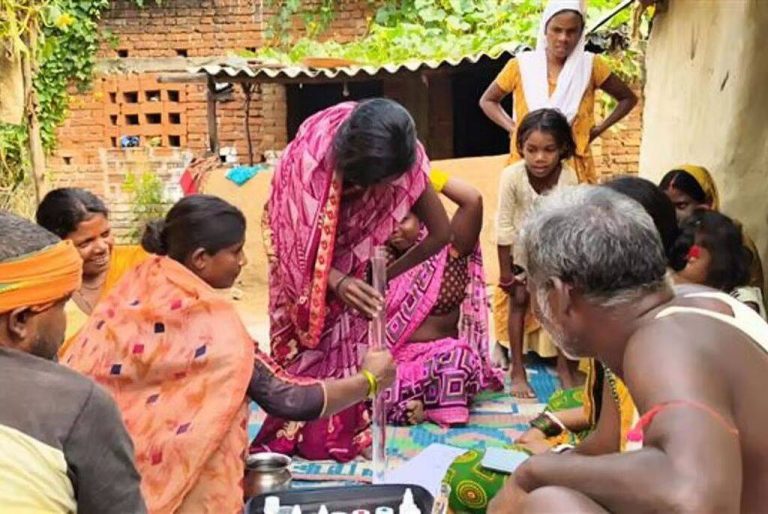
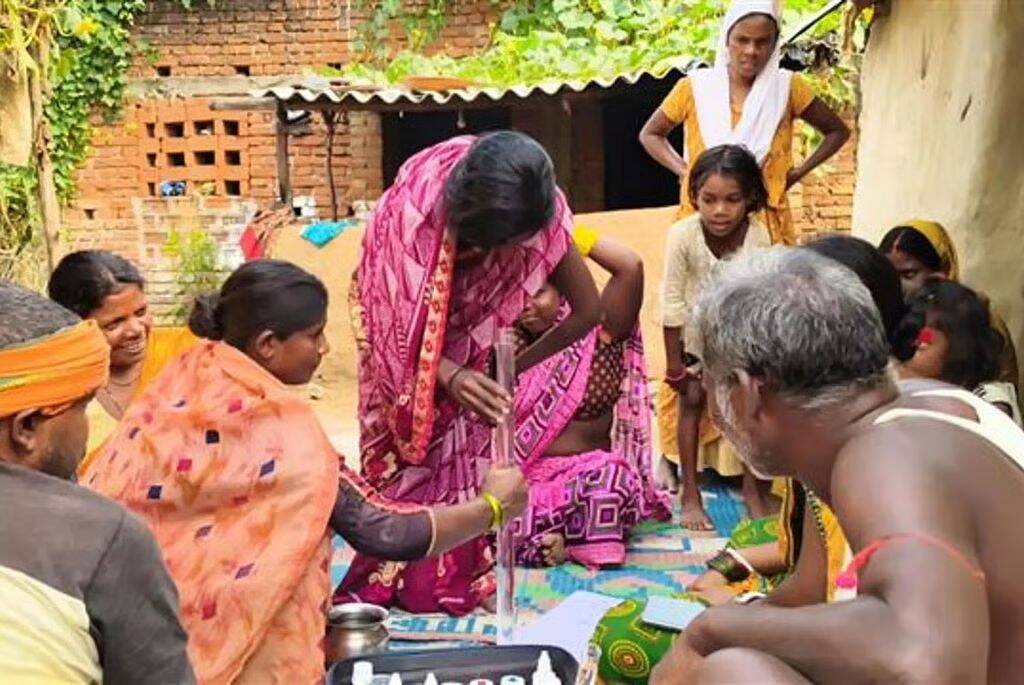
According to a recent study, the adoption of household water purification systems in rural India depends more on social trust and collective norms than infrastructure access. The study found that communities with stronger peer influence and shared beliefs reported higher uptake of low-cost purification methods. This suggests that social beliefs and cultural dynamics play a significant role in determining the success of water programs in rural India.
The study, which was conducted in several rural villages in India, found that communities with strong social bonds and a high level of trust among residents were more likely to adopt household water purification systems. In these communities, residents were more likely to follow the lead of their peers and adopt new technologies and practices. On the other hand, communities with weaker social bonds and lower levels of trust were less likely to adopt these systems, even if they had access to the necessary infrastructure.
The findings of the study have significant implications for water programs in rural India. They suggest that simply providing access to clean drinking water is not enough; programs must also take into account the social and cultural dynamics of the communities they are serving. This means that water programs must be designed to align with local social norms and values, rather than simply imposing external solutions on communities.
One of the key factors driving the adoption of household water purification systems is social influence. When residents see their peers using these systems, they are more likely to adopt them as well. This is because social influence provides a form of social proof, which helps to build trust and credibility in the technology. In communities where social influence is strong, residents are more likely to follow the lead of their peers and adopt new technologies and practices.
Another factor driving the adoption of household water purification systems is collective norms. When a community has a strong collective norm around the importance of clean drinking water, residents are more likely to adopt practices and technologies that support this norm. This is because collective norms provide a shared sense of purpose and direction, which helps to guide individual behavior and decision-making.
The study also found that social beliefs and cultural dynamics can either support or hinder the adoption of household water purification systems. For example, in some communities, there may be a strong cultural belief in the importance of traditional water sources, such as wells or rivers. In these communities, residents may be less likely to adopt household water purification systems, even if they are available and affordable.
On the other hand, in communities where there is a strong cultural belief in the importance of clean drinking water, residents may be more likely to adopt household water purification systems. This is because cultural beliefs and values can provide a powerful motivator for behavior change, especially when they are aligned with social norms and values.
The findings of the study have significant implications for policy and practice. They suggest that water programs in rural India must be designed to take into account the social and cultural dynamics of the communities they are serving. This means that programs must be tailored to the specific needs and values of each community, rather than imposing a one-size-fits-all solution.
In addition, the study highlights the importance of social influence and collective norms in driving behavior change. This suggests that water programs should focus on building social influence and collective norms around the importance of clean drinking water, rather than simply providing access to infrastructure.
In conclusion, the adoption of household water purification systems in rural India is driven by social beliefs and cultural dynamics, rather than simply by access to infrastructure. Communities with stronger peer influence and shared beliefs reported higher uptake of low-cost purification methods, highlighting the importance of social norms and values in driving behavior change. The findings of the study suggest that water programs must be designed to align with local social dynamics, taking into account the specific needs and values of each community.
About the Author